
Last updated November 24, 2026
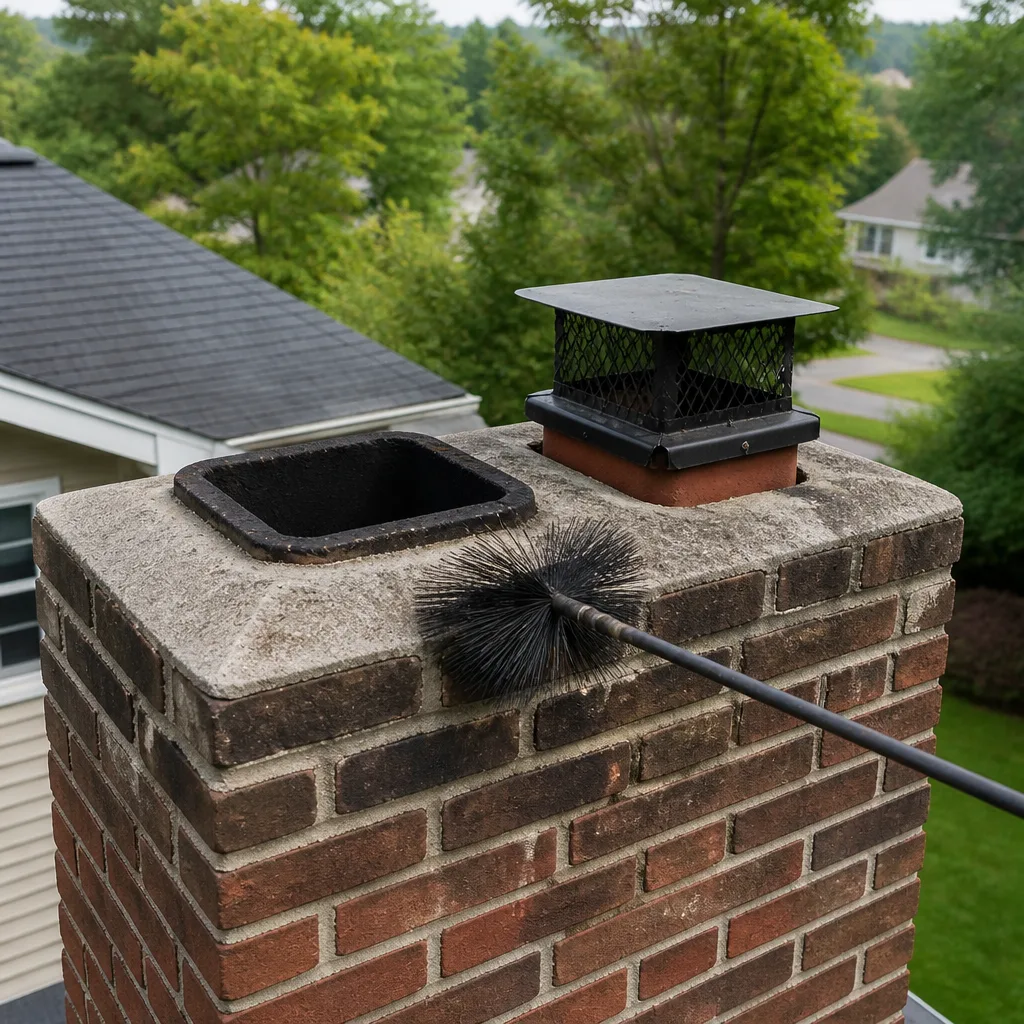 Sweep & inspection
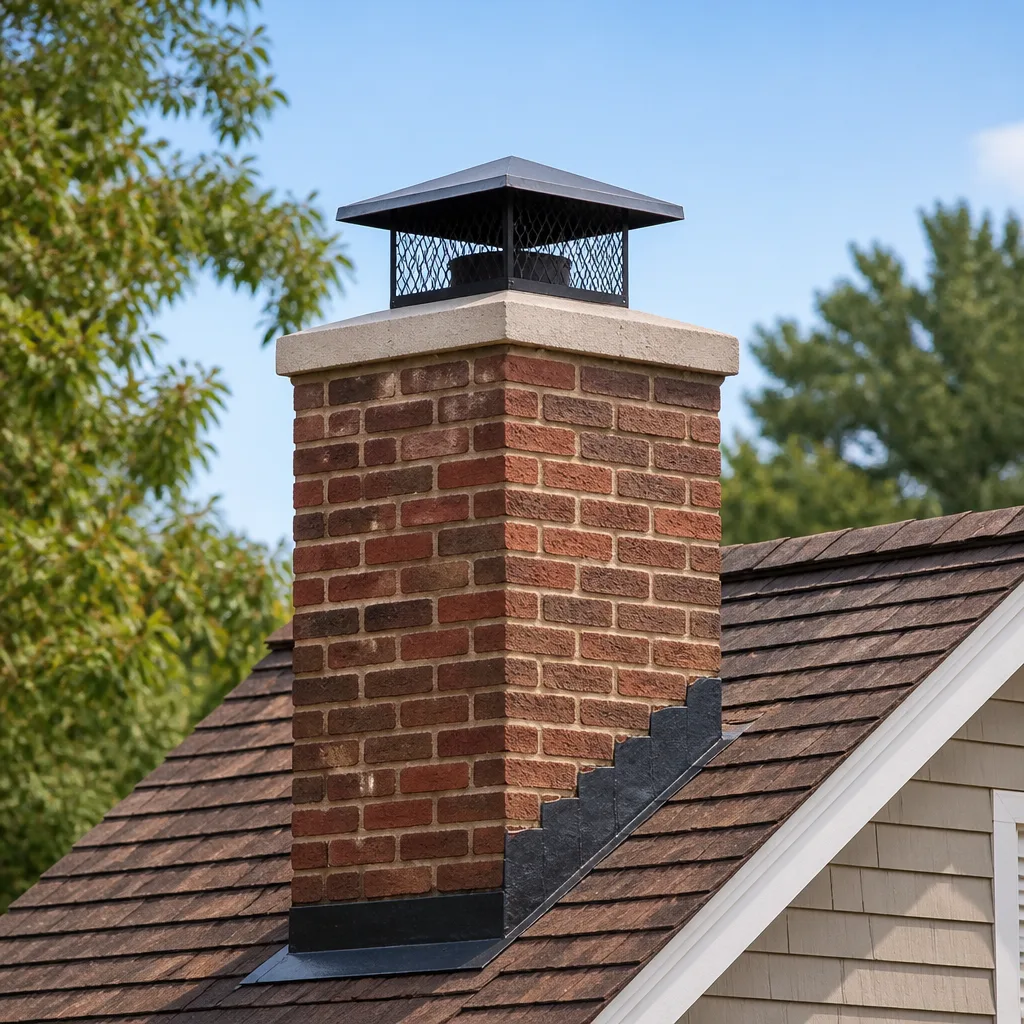 Caps & crowns
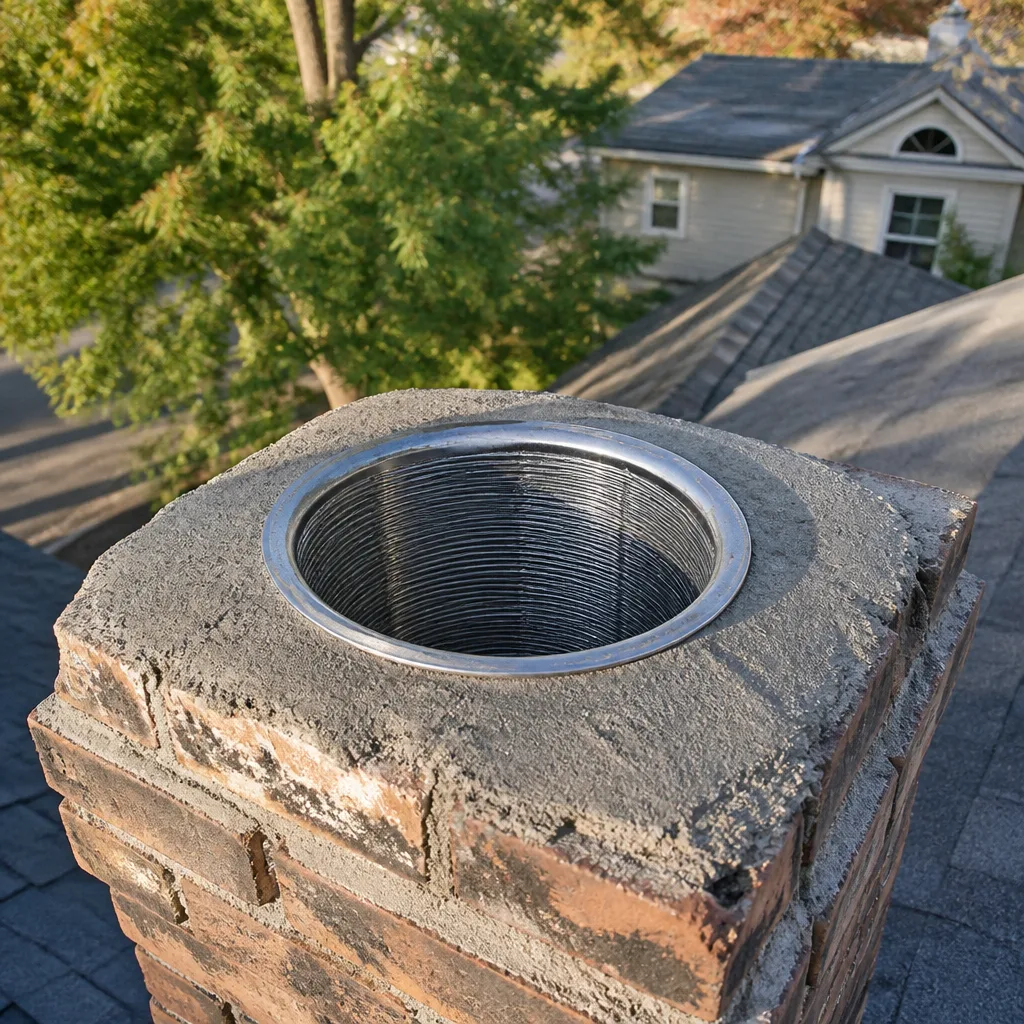 Flue relining
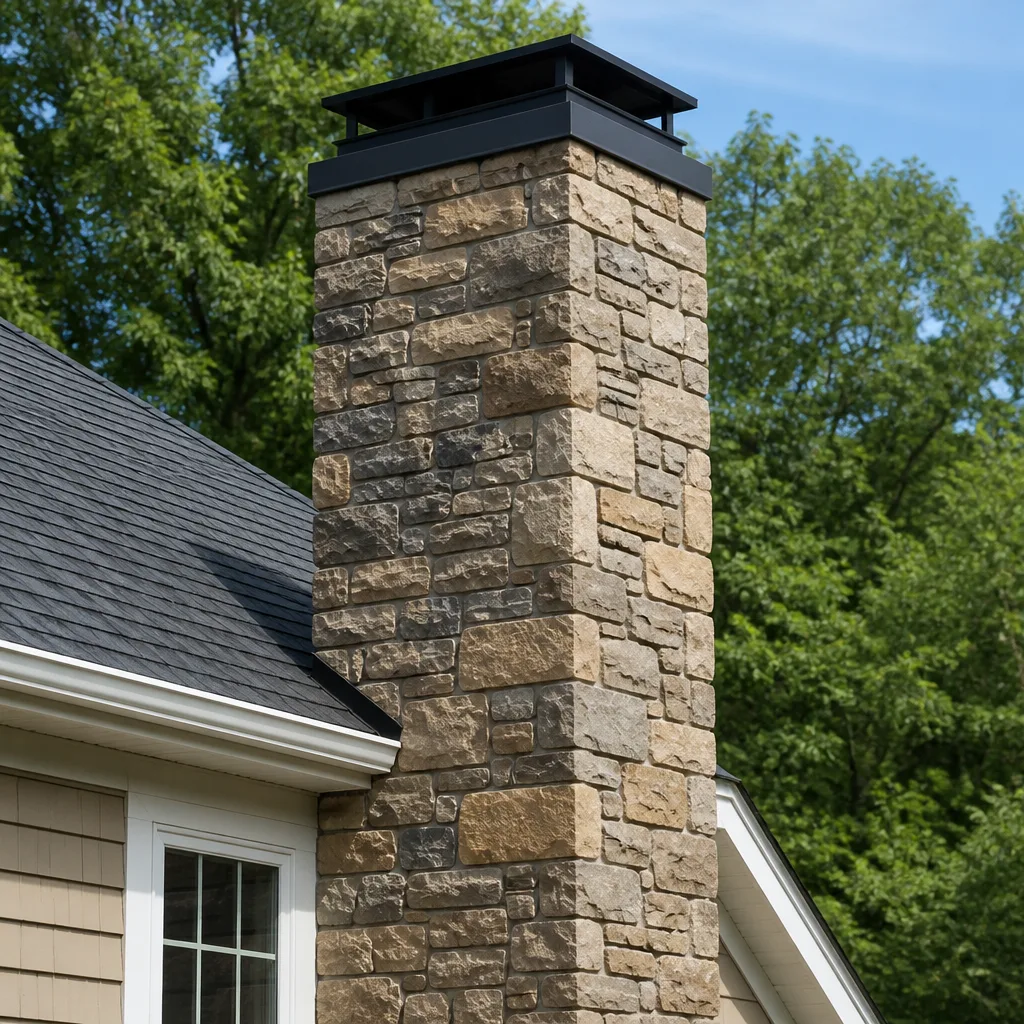 Masonry repair
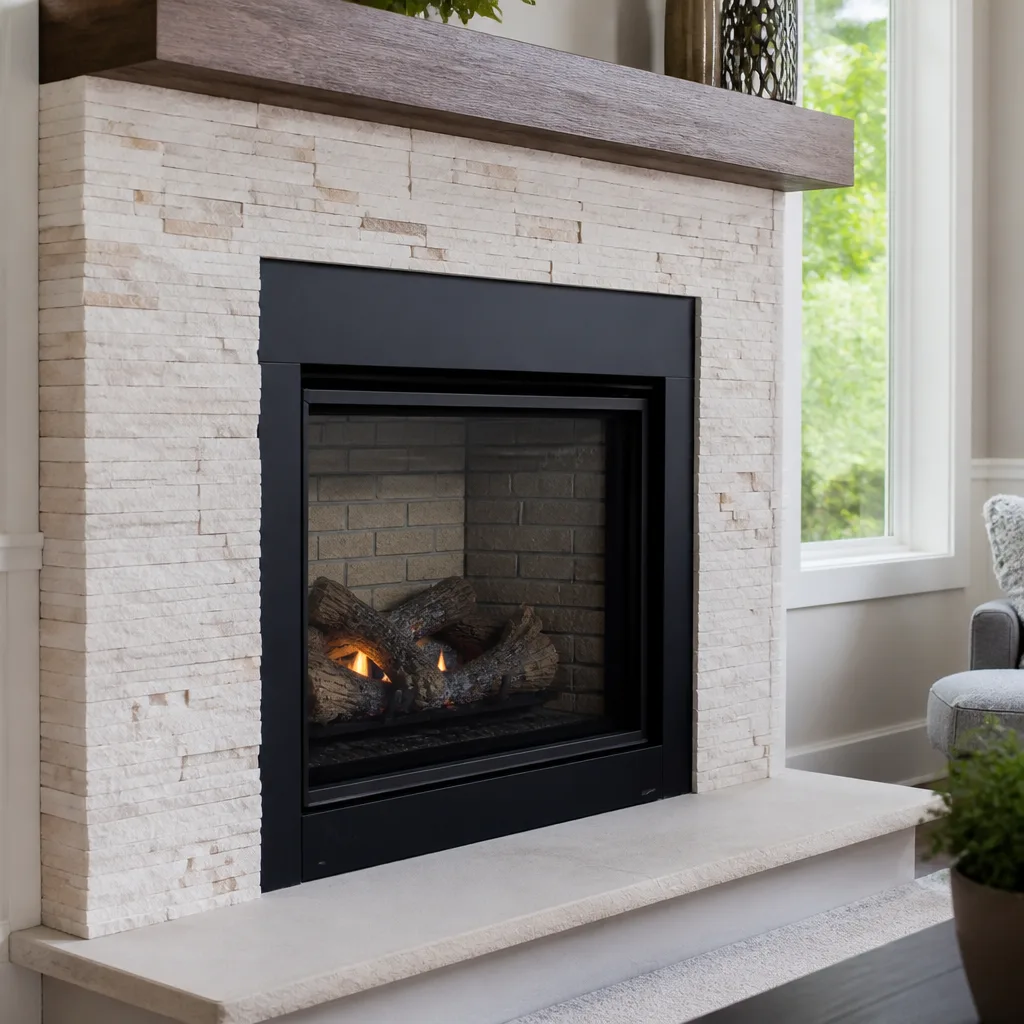 Gas fireplace service
Level 1 sweep and inspection to the NFPA 211 annual standard - flue, crown, cap, and flashing checked and photographed
Chimney sweep logs do not sweep chimneys. They loosen some creosote - which then falls where a brush and vacuum still have to collect it.
Chimney Sweep Maintenance Checklist for Federal Way Homeowners
Most homeowners assume fire is what destroys a chimney. In Federal Way, it’s usually water. The city gets over 38 inches of rain a year, more than twice the national average, and that rain works on a chimney every bit as hard as any flame. It seeps into mortar, pools behind a failing crown, and rusts the damper plate shut. A sweep alone won’t catch any of it. What follows is a component-by-component checklist built around the failure points we actually see in Federal Way chimneys, so you know what to look at, what a camera needs to see, and when a small fix is still a small fix.
Quick Answer
A chimney maintenance checklist for Federal Way should cover six components: crown, cap, flashing, flue liner, firebox, and damper. Check the crown and cap for cracks and moss twice a year, have the flue swept and camera-inspected once a year for wood-burning fireplaces, and watch for mortar saturation and rust after the rainy season. Water infiltration, driven by 38-plus inches of annual rain and repeated freeze-thaw, causes more Federal Way chimney damage than fire does.
Styles & brands we work with
- Sweep & inspection
- Caps & crowns
- Flue relining
- Masonry repair
- Gas fireplace service
Table of Contents
- Why a Federal Way Checklist Looks Different
- The Component-by-Component Checklist
- Climate Stressors Specific to Federal Way
- What You Can Check vs. What Needs a Camera
- Maintenance Intervals by Fuel Type
- How to Document Findings Over Time
- Common Mistakes to Avoid
- When to Call a Professional
- Frequently Asked Questions
Why a Federal Way Checklist Looks Different
Federal Way sits in a climate that punishes chimneys in slow, patient ways. The rain total matters, but the pattern matters more: months of steady moisture followed by cold snaps that drop below freezing. Water soaks into brick and mortar, freezes overnight, expands, and pushes the masonry apart a fraction at a time. Do that for a few winters and a hairline crack becomes a real opening.
That’s the first reason a generic “get it swept once a year” checklist falls short here. Sweeping addresses creosote. It does nothing for the crown that’s quietly channeling water into the flue, or the flashing that pulled loose two storms ago. In our experience across Federal Way, the jobs that turn into expensive structural repairs almost always started as a water problem nobody looked at because the fireplace still drew fine.
Moss is the second local wrinkle. The Northwest’s damp, shaded conditions let moss take hold on the top of a masonry crown, and moss holds moisture against the surface long after the rain stops. A crown that stays wet is a crown that’s deteriorating. Most homeowners never think to look up there.
So this checklist is organized around the components water attacks, plus the fire-safety items that still matter for anyone burning wood. It’s meant to be worked through in order, twice a year, and it’s meant to give you a record you can compare against next time.
The Component-by-Component Checklist
Work through these six areas. Two you can inspect from the ground with binoculars. The rest you’ll assess from inside the firebox or from the ground looking up. Anything you can’t see clearly, a sweep with a camera will.
1. Crown
The crown is the sloped concrete or mortar cap on top of the chimney that sheds water away from the flue. Look for cracks wider than a hairline, crumbling edges, separation where the crown meets the flue tile, and moss or dark green staining. A crown that’s cracked or holding moss is letting water in at the exact point where it does the most damage. Cracks and moss are the top two items on the repair list in Federal Way, and both are far cheaper to fix early than after the freeze-thaw has worked its way down.
2. Chimney Cap
The cap is the metal hood over the flue opening, and it does two jobs: it keeps rain and animals out, and it helps draft. Check that it’s firmly attached, that the mesh spark screen is intact rather than rusted through, and that no birds or squirrels have found a way in. A missing or damaged cap is an open doorway for water straight down the flue. A cap that’s loose or wrong for the flue size causes drafting problems that look like a fireplace fault but aren’t.
3. Flashing
Flashing is the metal that seals the chimney to the roof where they meet. From the ground, look for gaps, lifting edges, rust, or tar patching that a previous owner used as a shortcut. Flashing failures are one of the most common water-entry points on Federal Way homes, and the leak shows up inside as a ceiling stain far from the chimney, which sends people hunting in the wrong place. If flashing is lifting or patched with tar, it needs to be redone properly.
4. Flue Liner
The liner is the clay tile or metal flue that carries smoke and gases up and out. From inside the firebox, look up with a flashlight for cracked tiles, gaps between tiles, missing mortar joints, or heavy glazed creosote. From the top, a sweep can see tile condition the firebox view can’t. A damaged liner is the one item on this list that’s a genuine safety concern rather than a maintenance concern, because cracks let heat and carbon monoxide reach the structure around the flue. Liner condition is a camera job. Don’t guess at it.
5. Firebox
The firebox is the masonry chamber where the fire sits. Check for cracked bricks, crumbling mortar joints, and loose or missing firebrick. Small cracks in the firebox are often repairable with refractory material before they spread. A firebox that’s been patched with ordinary mortar rather than refractory mortar will fail again, because ordinary mortar can’t take the heat.
6. Damper
The damper is the metal plate that opens and closes the flue. Open and close it by hand. It should move freely, seal reasonably well when closed, and not be frozen with rust or soot. Federal Way’s humidity is hard on damper plates, and a rusted-open damper is a straight path for both heated air to escape and cold, damp air to come down. A damper that won’t open is a fire hazard. A damper that won’t close is an energy and moisture problem.
Climate Stressors Specific to Federal Way
Three local conditions deserve their own attention because they’re the ones a national checklist won’t mention.
- Moss on the crown. The damp, shaded Northwest conditions let moss establish on masonry crowns. Moss keeps the surface wet, and wet masonry in freeze-thaw weather spalls and cracks. Clearing moss and correcting the surface is part of crown maintenance here, not a cosmetic extra.
- Mortar saturation. Brick and mortar are porous. After months of rain, saturated mortar is visibly darker and often soft to the touch. Saturated mortar that freezes expands and crumbles, which is why Federal Way masonry tends to fail at the joints before it fails anywhere else. Repointing worn joints protects the structure behind them.
- Rusted damper plates and hardware. Humidity rusts metal damper plates, cap screens, and flashing edges. A rusted damper can seize open or shut. Rusted cap screens fail and let animals in. Checking and freeing the damper before the burning season is a simple habit that prevents a stuck damper on the first cold night.
Add freeze-thaw to all three and you have the pattern: water gets in, cold makes it expand, and the damage compounds. Everything on this checklist ultimately traces back to keeping water out and keeping the components that shed it in working order.
What You Can Check vs. What Needs a Camera
Knowing the line between the two saves you worry and saves you money. Here’s the honest split.
Homeowner-observable, from the ground or the firebox:
- Crown cracks, moss, and crumbling edges (binoculars from the yard)
- Cap attachment, missing caps, rusted or broken screens
- Flashing gaps, lifting edges, tar patches
- Firebox cracks, loose firebrick, crumbly mortar joints
- Damper operation by hand
- Interior water stains, musty odors, or a fireplace that smokes back into the room
Requires a sweep with a camera:
- Flue liner condition above the first few feet
- Offset or hidden sections of the flue
- Creosote level and type deep in the flue
- Whether cracks in the firebox extend into the structure behind it
- Anything above the roofline you can’t see clearly from the ground
The camera is what turns “it looks fine” into “it is fine,” and the difference matters most for the liner. Our chimney sweep includes a camera inspection and a photo report, so you see the same footage we do rather than taking our word for it. That record also becomes the baseline for the documentation habit described further down.
Maintenance Intervals by Fuel Type
How often you need service depends on what you burn. These are the intervals we recommend for Federal Way homes, with the understanding that heavy use or a visible problem shortens them.
Wood-Burning Fireplace
- Sweep and camera-inspect once a year. Creosote builds every season, and a yearly sweep keeps it from reaching a level that’s hard to remove or risky to burn near.
- Check the crown and cap twice a year, spring after the rainy season and fall before burning season. Water damage doesn’t wait for you to light a fire.
- Inspect the firebox and damper before the first burn of the season. Cracks and a stuck damper are easier to fix in September than in December.
- Have the liner assessed at every annual inspection. Liner condition is the safety item, and it can change between one year and the next.
Gas Insert or Gas Fireplace
- Annual inspection, cleaning, and vent check. Gas burns cleaner than wood, so there’s no creosote to sweep, but venting and the firebox still need a yearly look. A gas appliance that isn’t venting correctly is a carbon monoxide concern, not a cosmetics one.
- Crown and cap checks twice a year, same as wood-burning. The structure doesn’t care what fuel you use, and water attack is identical.
- Watch for corrosion on the venting components, which the damp climate encourages. Olympia Chimney venting components are one of the product lines we work with for this kind of repair.
Pellet Stove
- Sweep and inspect annually, ideally before the heating season. Pellet ash is fine and travels, so the flue and vent need clearing each year.
- Check the vent termination and cap for ash buildup and animal intrusion at the same time. A blocked termination affects how the stove burns.
- Inspect the surrounding chimney structure for the same crown, flashing, and mortar issues any masonry chimney faces. A pellet vent through a masonry chimney still has to be sealed and weathertight.
Whatever you burn, the pattern is the same: an annual professional inspection, plus a twice-yearly look at the weather-facing components you can see yourself.
How to Document Findings Over Time
Chimney damage is progressive, and the single most useful thing you can do is keep a record so you can see it progressing. Here’s a simple system that works.
- Keep a dated folder. Paper or digital, it doesn’t matter. Every inspection report, photo set, and repair invoice goes in it, with the date on the report.
- Photograph the visible components each time you check them. Same angle, same distance, twice a year. A crack you can compare against last spring’s photo is a crack you can measure. A crack with no baseline is a guess.
- Note the small things. A faint interior water stain, a damper that’s stiffer than last year, a patch of moss that wasn’t there before. Those notes are how you catch a problem while it’s still a repair rather than a replacement.
- Ask for the camera footage at every inspection. Save the photo report with the date. A liner that looked intact two years ago and shows a crack now tells you the timeline.
- Compare before you act. When someone recommends a major repair, compare the new findings against your record. A recommendation that matches a visible change in your own documentation is one you can trust. A recommendation with nothing behind it is one to question.
This is the part of maintenance most homeowners skip, and it’s the part that pays off. Progressive deterioration is only visible if you have something to compare against. For structural repair findings, the report from a chimney repair visit belongs in the same folder.
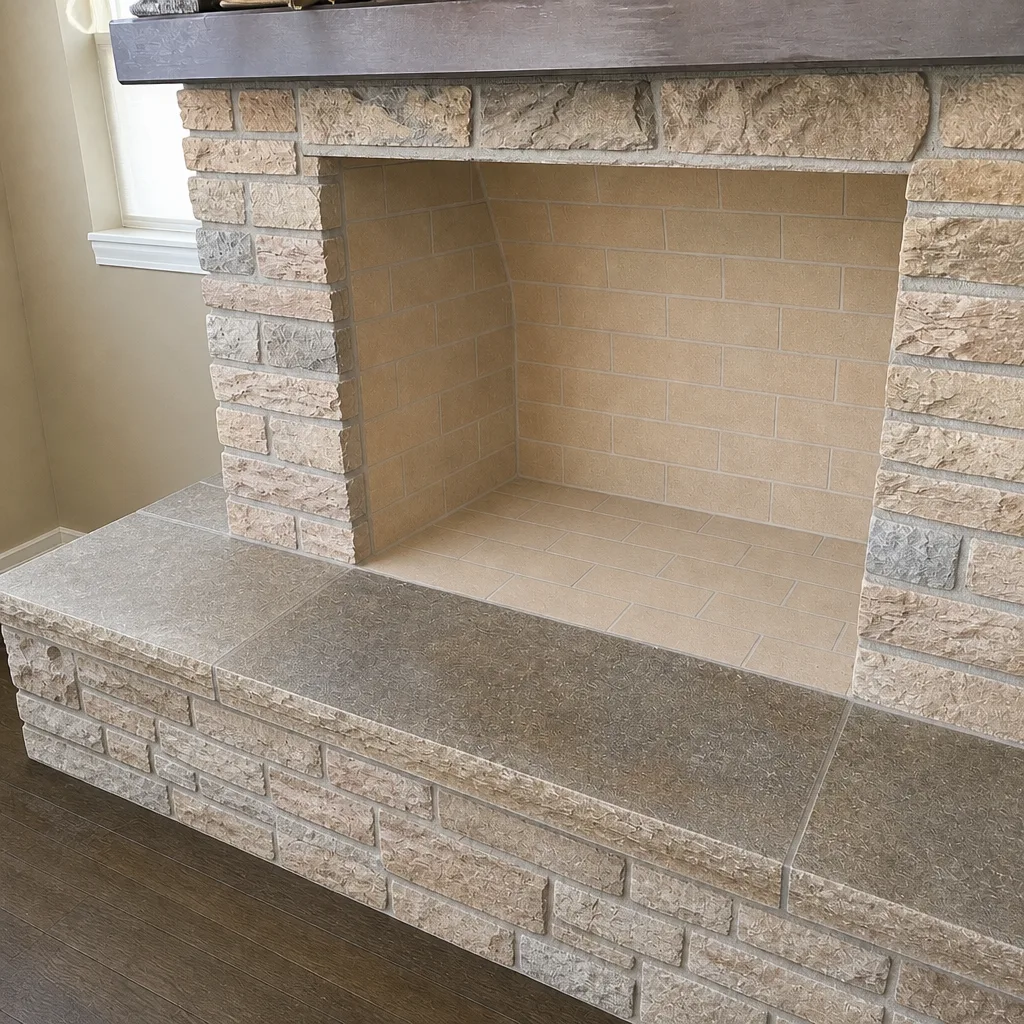
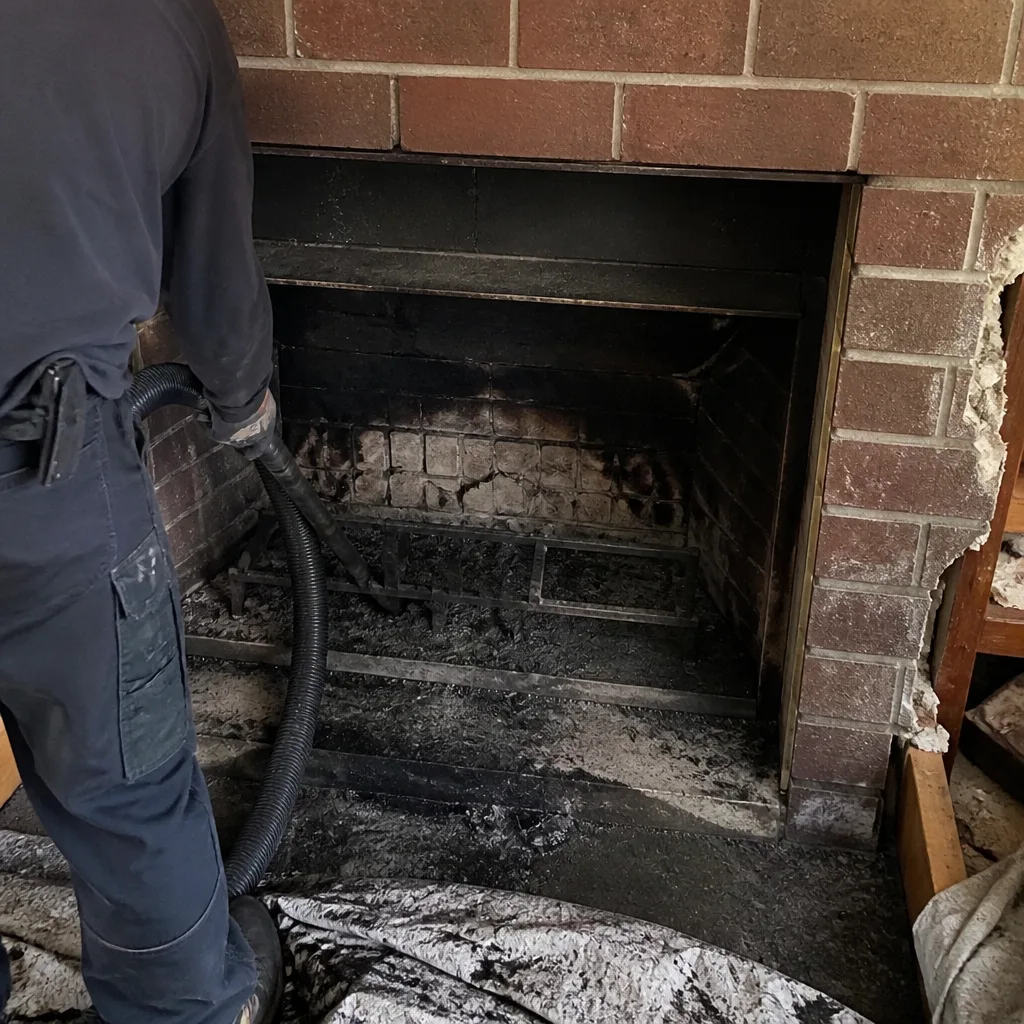
See the difference
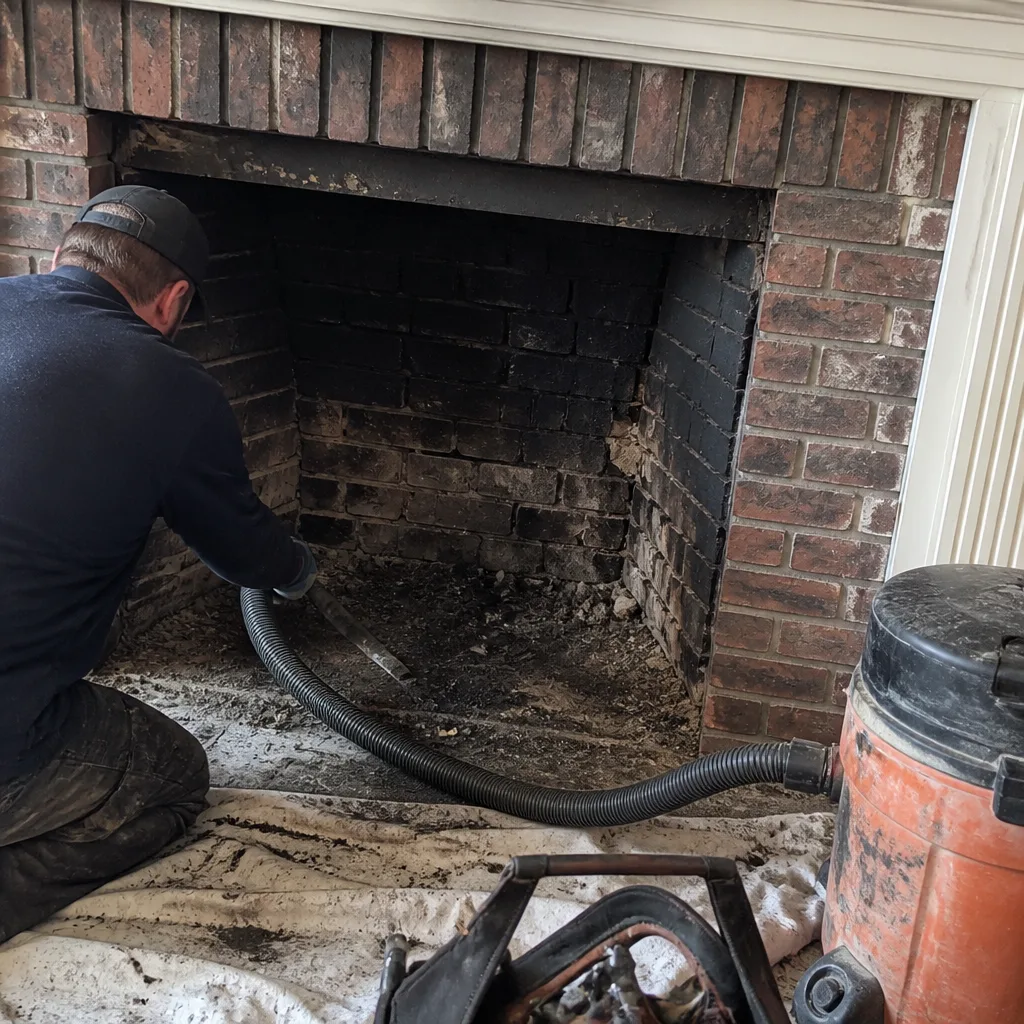 Before
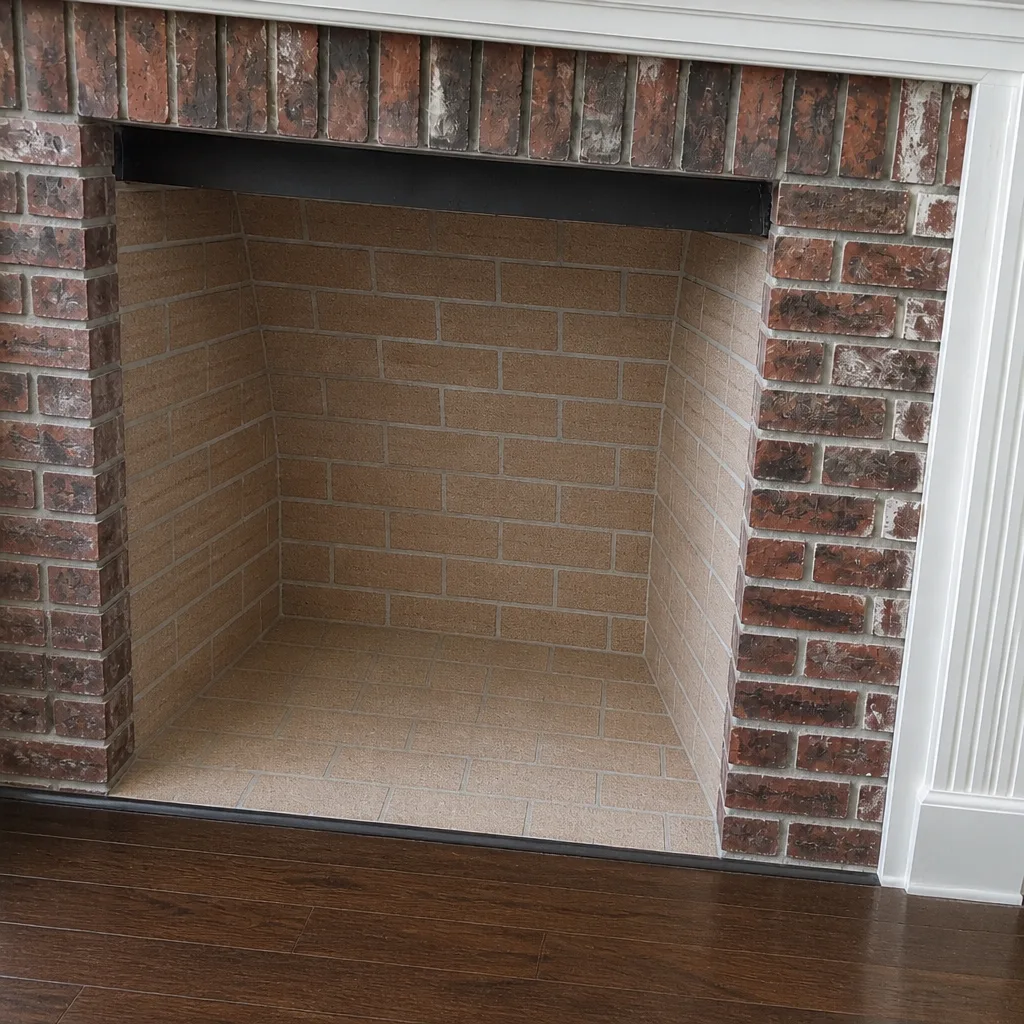 After
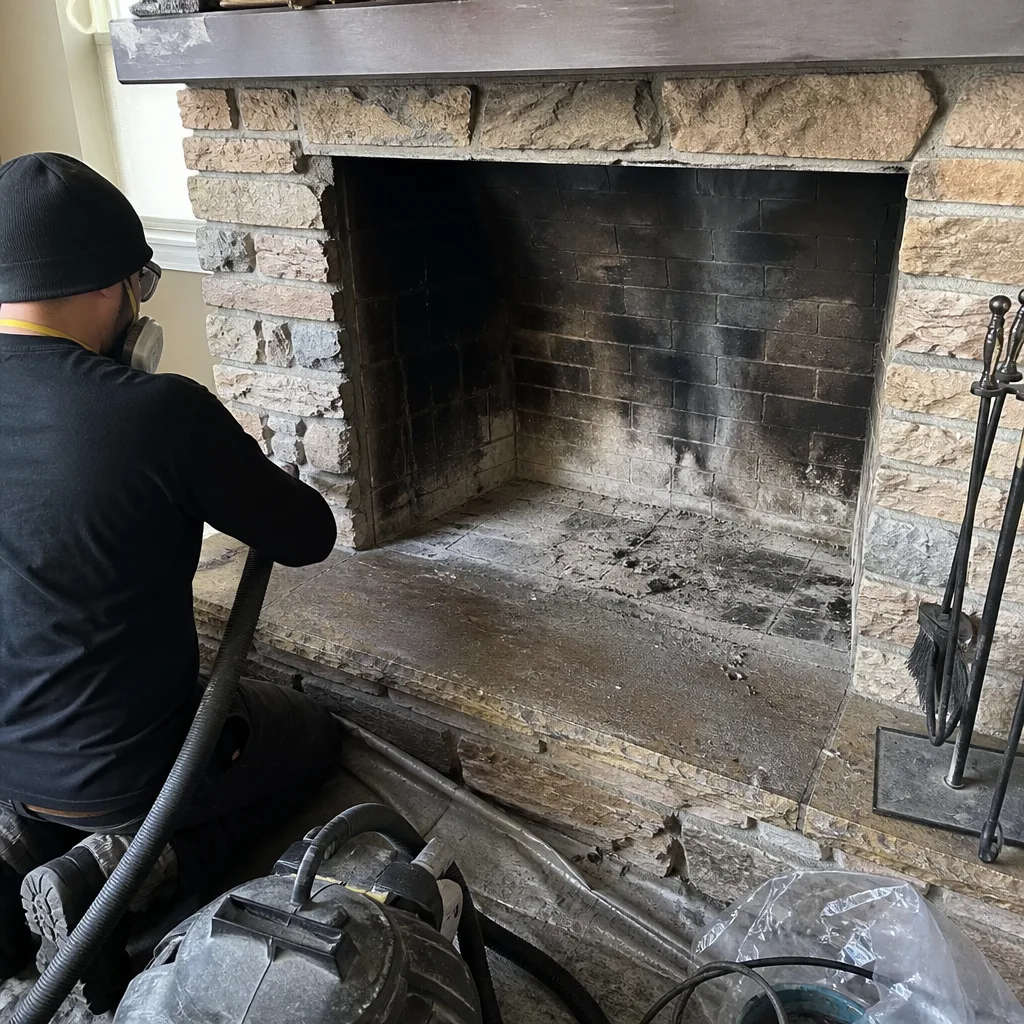 Before
 After
 Before
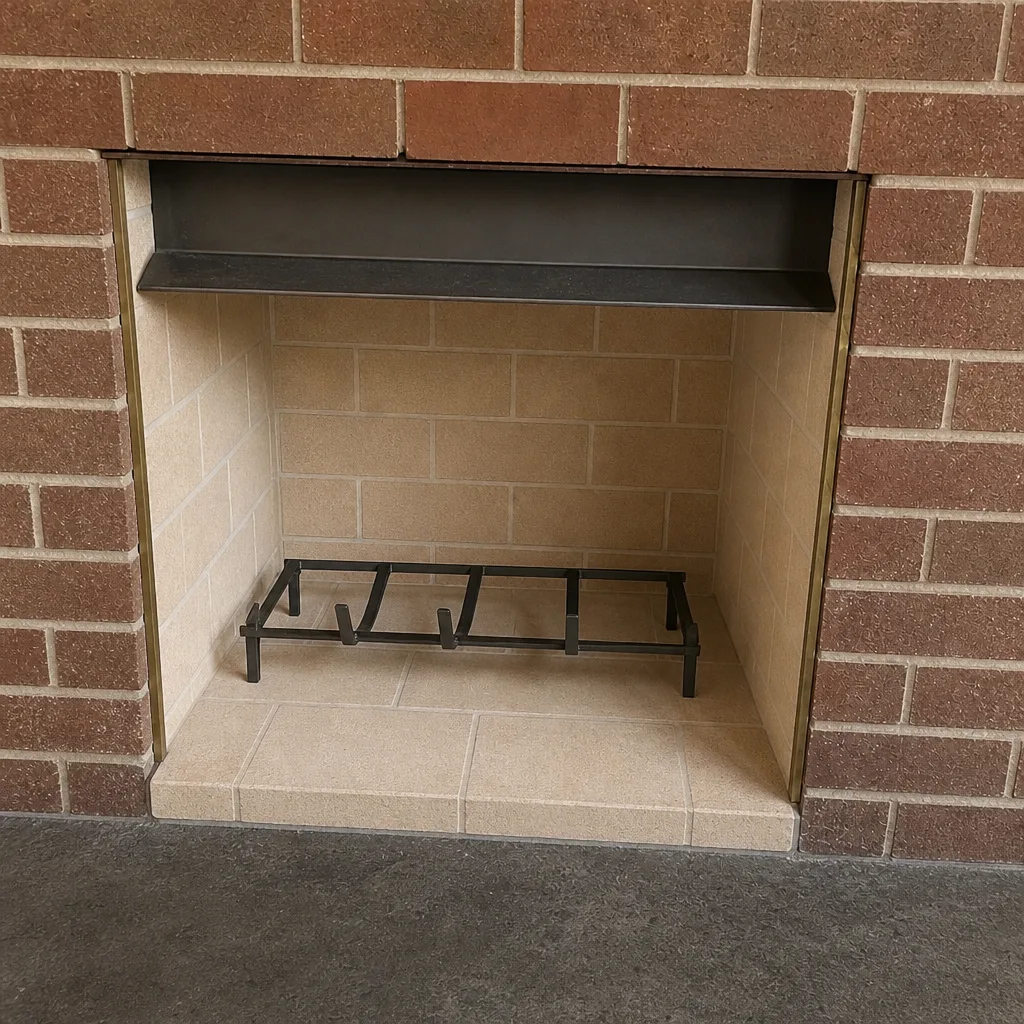 After
Common Mistakes to Avoid
- Treating a sweep as the whole checklist. A sweep clears creosote. It doesn’t assess the crown, cap, or flashing, and those are the water-entry points that cause most Federal Way chimney damage. Book the inspection with the sweep, not after it.
- Ignoring the crown because the fireplace draws fine. The crown protects the flue from water, and a fireplace can draft perfectly while water is quietly working on the masonry above. Draft quality and structure condition are separate things.
- Patching flashing with tar. Tar patching is a temporary fix that hides a flashing failure rather than correcting it. It fails again, and by then the leak has usually spread. Redo the flashing properly.
- Skipping the camera inspection because the chimney “looks fine.” The liner sits above the first few feet of flue, out of sight without a camera. The whole point of the inspection is to see what your eye can’t reach.
- Ignoring moss on the crown. Moss is easy to dismiss as harmless growth, but in this climate it keeps the masonry wet, and wet masonry in freeze-thaw weather spalls and cracks. Clear it and correct the surface.
- Only checking in fall. Water damage happens in the rainy months, not just before burning season. A spring check catches the winter’s damage while it’s still small. Two checks a year, not one.
- Acting on a repair recommendation with no visible evidence. Any repair worth doing has a photo or a camera image behind it. Ask to see it. A recommendation with nothing to show for it isn’t a diagnosis.
When to Call a Professional
Some items on this checklist are yours. Others need a trained eye and a camera. Call a professional when you see cracked or missing flue tiles, a liner with gaps or heavy glazed creosote, a firebox crack that extends into the structure, a damper that won’t operate, a crown that’s cracked through or holding moss, or flashing that’s lifting or tar-patched. Call if you smell creosote or a musty odor in warm weather, if the fireplace smokes back into the room, or if it’s simply been more than a year since the last inspection and you don’t have a record. Safety warrants it: liner cracks and blocked flues can let carbon monoxide into the home, and creosote at a high level can ignite. Chimney Sweep Federal Way offers free estimates in Federal Way – call (844) 625-7660. We answer 24/7. Fast dispatch from 7am to 7pm, Sunday through Friday. Our technicians have up to 8 years of experience, and we connect you with a vetted local professional who is licensed and insured as the state requires.
Frequently Asked Questions
Once a year for a wood-burning fireplace is the standard, and heavier use shortens that. In Federal Way, the damp climate makes a twice-a-year look at the crown and cap just as important as the annual sweep, because water attack is the leading cause of damage here. Call (844) 625-7660 for an exact quote on a sweep and inspection – estimates are free.
Only if the camera shows the liner is actually damaged, and you should see the footage yourself before deciding. Cracks, gaps between tiles, and missing mortar joints are the reasons a liner needs attention. A liner that’s intact doesn’t need replacing just because it’s old. Call (844) 625-7660 and we’ll show you what we find – estimates are free.
Creosote builds up and can ignite, and water quietly works on the crown, flashing, and mortar until a small repair becomes a structural one. In this climate the water damage often runs ahead of the fire risk. Keeping to the yearly sweep and twice-yearly visual check heads off both. Call (844) 625-7660 to book a sweep and inspection – estimates are free.
It’s a real problem in Federal Way. Moss holds moisture against the masonry, and wet masonry in freeze-thaw weather cracks and spalls. Clearing it and correcting the crown surface protects the structure below. If you’re not sure whether your crown needs work, a Chimney Sweep Federal Way inspection will tell you. Call (844) 625-7660 – estimates are free.
You can check the crown, cap, flashing, firebox, and damper yourself, and you should. The flue liner and any offset sections need a camera, and that means a sweep. So the honest answer is both: your twice-yearly visual check plus an annual professional inspection with a camera.
Ask to see the evidence. A crown repair should come with photos of the crown. A liner recommendation should come with camera footage of the liner. If someone recommends thousands of dollars of work with nothing you can verify, get a second opinion. We tell you what we find, show you why it matters, and tell you plainly when work can safely wait. Call (844) 625-7660 – estimates are free.
A sweep removes soot and creosote. An inspection assesses the whole system: liner, firebox, damper, crown, cap, and flashing. A sweep without an inspection clears the flue but misses the structural items that cause most damage. Book them together. Our chimney sweep includes a camera inspection and photo report.
Not the same, but it still needs an annual inspection, cleaning, and vent check. There’s no creosote to sweep, but correct venting is a carbon monoxide concern, and the crown, cap, and flashing still need the twice-yearly weather check. Gelco and Famco components are among the brands we work with for cap and venting work.
The Bottom Line
Federal Way’s 38-plus inches of rain and its freeze-thaw winters mean chimney maintenance here is mostly a fight against water, not fire. Check the crown, cap, flashing, liner, firebox, and damper; sweep and camera-inspect once a year for wood, gas, and pellet alike; and keep a dated record so you can see deterioration before it becomes an emergency. Your twice-yearly visual check handles what you can see, and a professional with a camera handles what you can’t. HeatShield-qualified flue restoration and DuraFlex liner systems are among the options we work with when a flue needs repair rather than replacement. Call (844) 625-7660 to book a sweep and inspection – estimates are free. We answer 24/7. Fast dispatch from 7am to 7pm, Sunday through Friday. For repairs beyond the flue itself, fireplace repair covers the firebox and hearth.
Written by the team at Chimney Sweep Federal Way.