
Last updated November 24, 2026
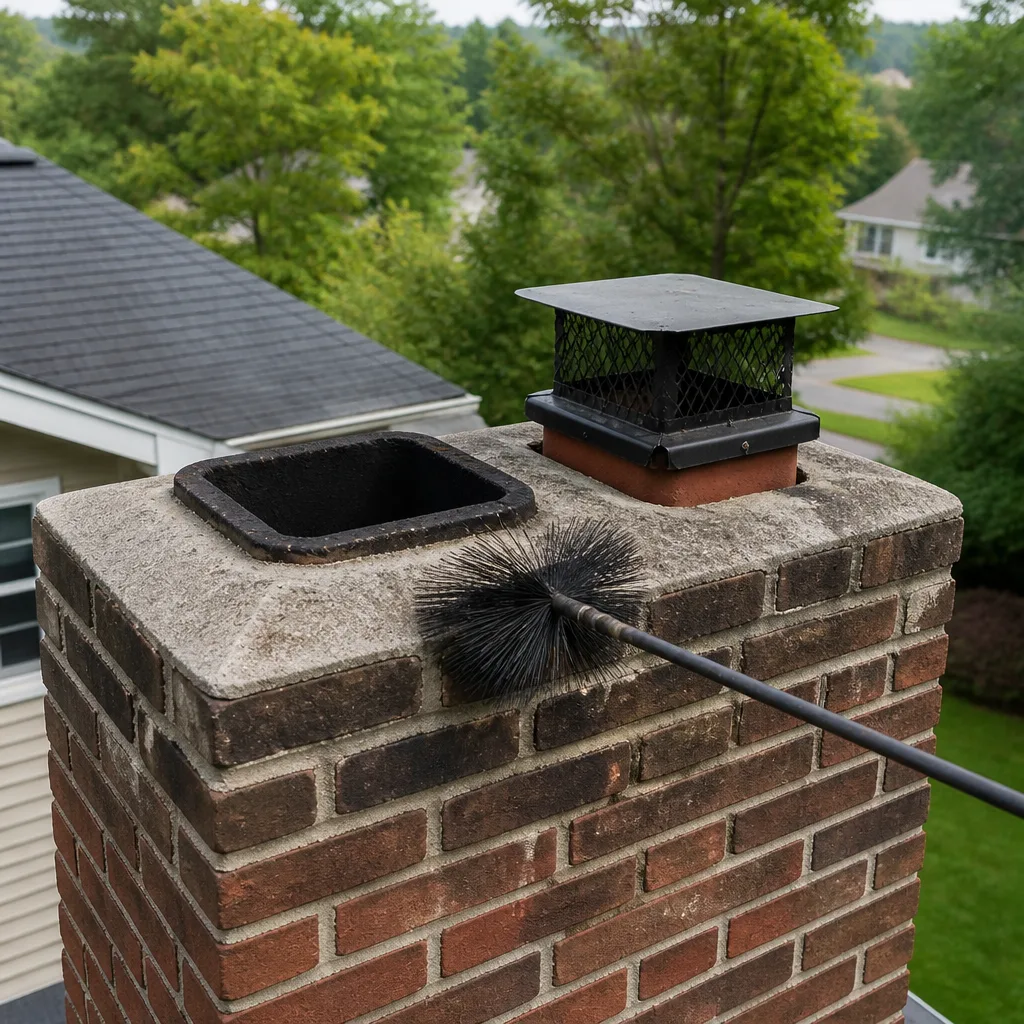 Sweep & inspection
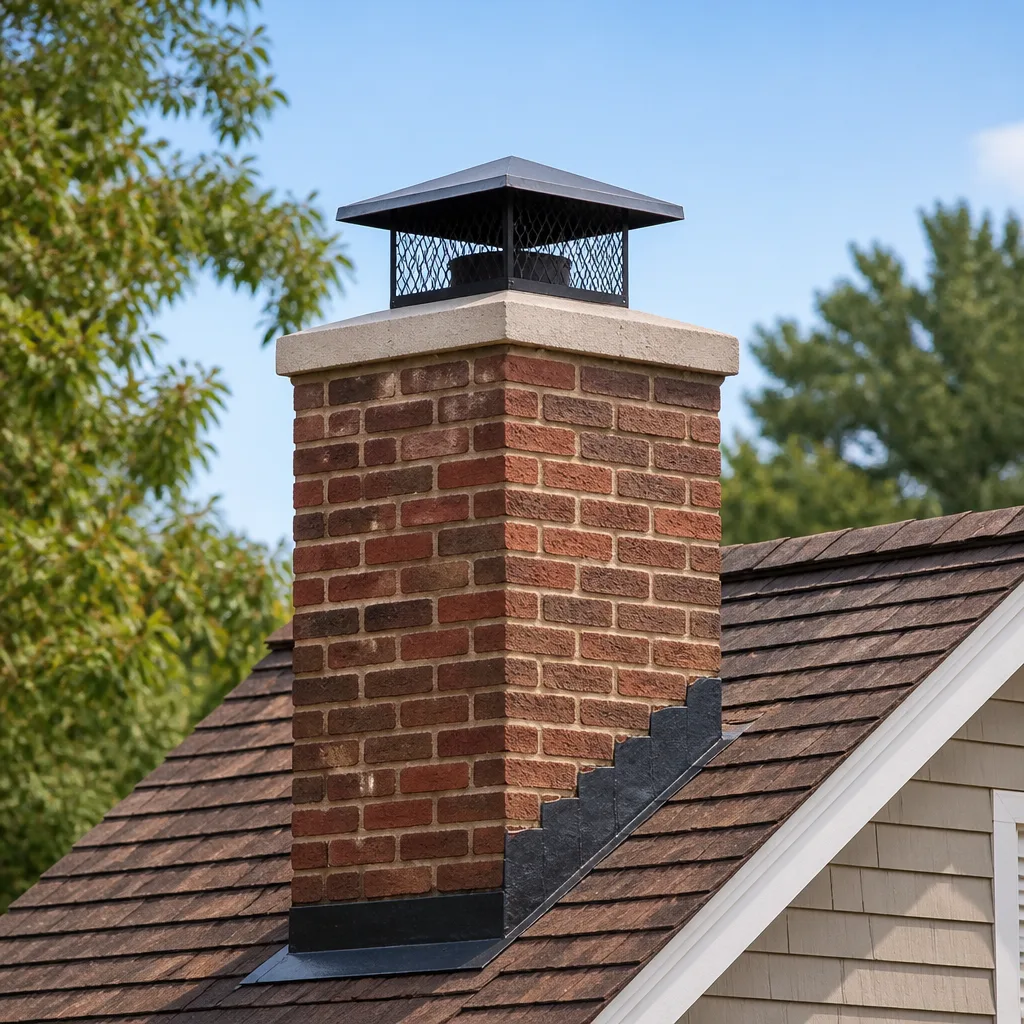 Caps & crowns
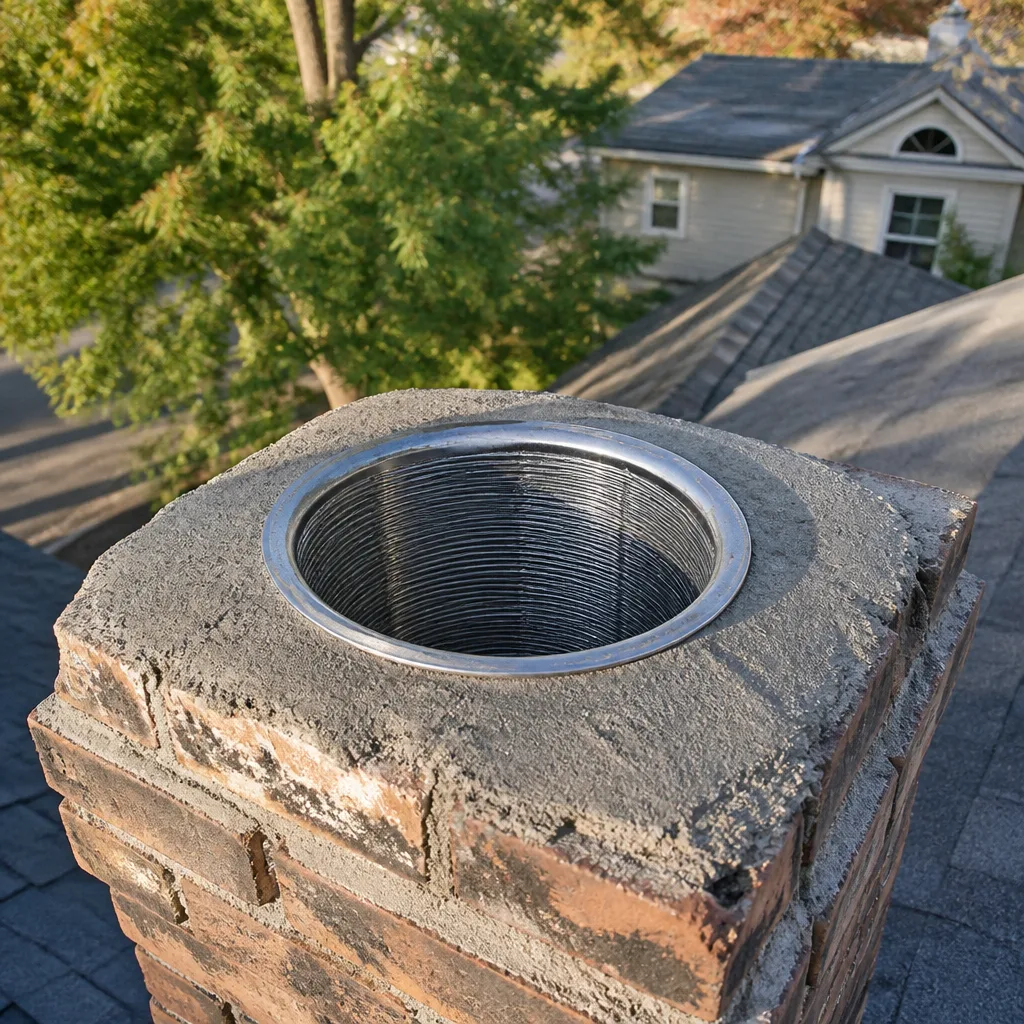 Flue relining
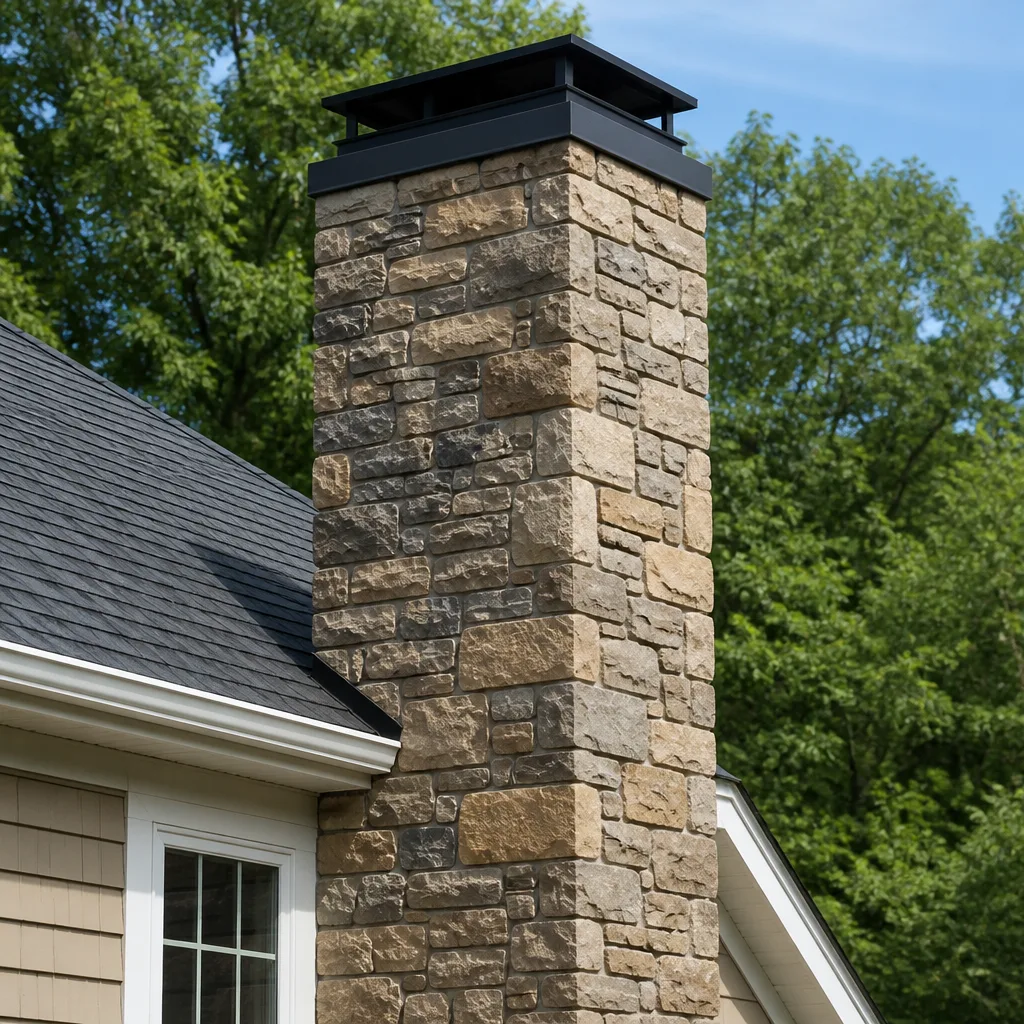 Masonry repair
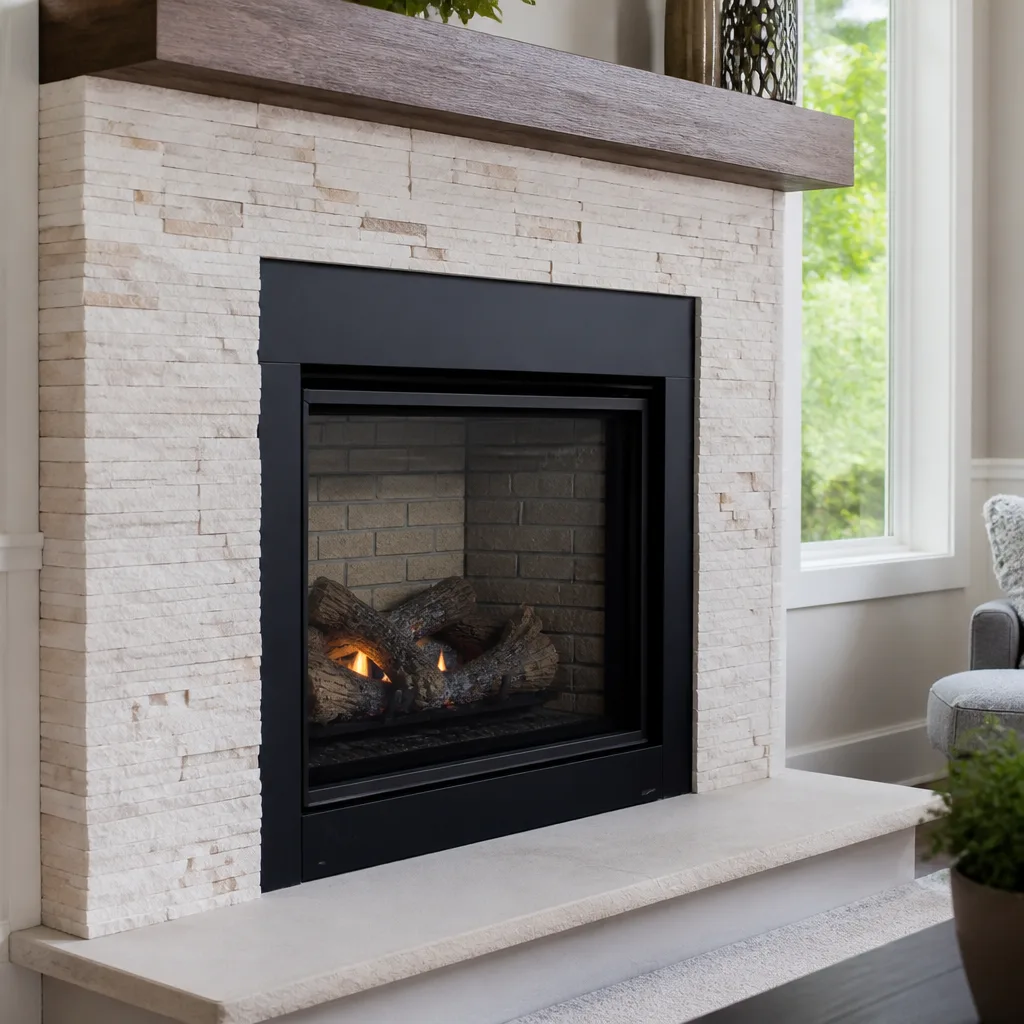 Gas fireplace service
Level 1 sweep and inspection to the NFPA 211 annual standard - flue, crown, cap, and flashing checked and photographed
Chimney sweep logs do not sweep chimneys. They loosen some creosote - which then falls where a brush and vacuum still have to collect it.
Seasonal Chimney Cleaning Care for Federal Way: Year-Round Homeowner’s Guide
Most chimney advice you’ll read says the same thing: book your sweep before winter. In Federal Way, that advice is only half useful. The homeowners who run into trouble are the ones who wait until October, when every other household in the city is chasing the same short pre-winter window, and who find out in November that a cracked crown or a failed flue tile needs materials that take time to arrive. Chimney care around here isn’t one appointment a year. It’s four different maintenance windows shaped by wet winters, dry summers, heavy fall leaf debris, and spring moss growth. This guide walks through each season, what to check, when to act, and how to line your cleaning up with the burn restriction calendar so nothing catches you off guard.
Quick Answer
Chimney cleaning in Federal Way works best on a seasonal cycle rather than a single annual appointment: inspect and clear winter moisture damage in spring, do masonry, crown, and liner work in the dry summer months, get a final cleaning and cap check before first burn in fall, and watch for mid-winter warning signs that mean a cleaning can’t wait until spring. Timing the work to the season means shorter waits and repairs that hold. If you’re unsure where your chimney sits in that cycle, a professional inspection tells you in one visit.
Styles & brands we work with
- Sweep & inspection
- Caps & crowns
- Flue relining
- Masonry repair
- Gas fireplace service
Table of Contents
- Why a Seasonal Approach Beats One Annual Cleaning
- Spring: Post-Season Inspection and Moisture Damage
- Summer: The Repair Window for Masonry, Crown, and Liner Work
- Fall: Final Cleaning, Damper Check, and Cap Inspection
- Winter Use: Signs a Cleaning Can’t Wait Until Spring
- Coordinating Cleaning With the Burn Restriction Calendar
- How Often Should a Federal Way Chimney Be Swept?
- The Four-Season Care Grid at a Glance
Why a Seasonal Approach Beats One Annual Cleaning
A chimney is a system exposed to weather on the outside and fire on the inside. In Federal Way, both sides of that system take a beating in different months. Winter pushes moisture into every seam, joint, and cap gap. Summer dries the masonry out and makes repair materials cure properly. Fall drops leaves and needles into every open flue and brings the first windstorms. Spring reveals what winter left behind.
Treating chimney care as a single appointment ignores all of that. The result is homeowners calling in a panic in December for a problem that could have been fixed in July with a lot less stress. We’ve seen this pattern enough to know it isn’t about neglect. It’s about timing.
Where a seasonal rhythm helps most:
- Repair quality. Crown resealing, masonry repair, and liner installation all cure better in dry, moderate weather. Fall and winter work is possible but the conditions fight you.
- Material lead times. Flexible liner systems, crown materials, and caps don’t always sit on a shelf. Ordering in summer means arriving in summer.
- Scheduling. The six weeks before the first cold snap are the busiest of the year for any chimney professional. Booking off-peak means shorter waits and more room if a repair gets complicated.
- Detection. Inspecting in spring, right after the burn season, catches damage while it’s still small. Inspecting in October catches it after it’s had eight months to spread.
One call covers the whole system – flue, liner, crown, and cap – so a seasonal visit is the natural moment to look at all four together rather than one in isolation. That’s the difference between chasing problems and preventing them.
Spring: Post-Season Inspection and Moisture Damage
Spring is the honest season for chimney work. You’ve just finished burning, so any drafting problem, odor, or smoke issue is fresh in your memory. The weather is turning wet, which means moisture damage from winter is visible before it dries and disappears from view. And the insects, birds, and squirrels that find their way in over winter are still active.
The spring checklist we work through on a Federal Way chimney:
- Inspect the firebox and damper. Look for warped metal, cracked firebrick, and a damper that doesn’t seat cleanly. A sticky damper is often the first sign the whole system is working harder than it should.
- Check the flue for moisture staining. Dark streaks on the chimney exterior or rust on the damper assembly mean water is getting in somewhere it shouldn’t.
- Clear moss and organic debris from the crown and flashing. Federal Way’s wet spring encourages moss on concrete crowns and the north-facing side of the chimney. Moss holds water against the surface and speeds up freeze-thaw damage.
- Check the cap and spark arrestor. Winter windstorms strip caps and push debris into the flue. A missing or damaged cap is the single most common entry point for water.
- Look for animal nests. Birds and squirrels love an open flue in spring. A nest blocks airflow and creates a fire risk when you light the first fire in fall.
Spring is also the right time to write down what you actually noticed during the burn season. Odors on startup, smoke rolling into the room, a fire that won’t draft on damp days – all of these point to specific issues that are easier to diagnose when they’re recent. A proper inspection asks about last season, not just what’s visible in the flue today.
Summer: The Repair Window for Masonry, Crown, and Liner Work
If your chimney needs anything beyond a cleaning, summer is when it should happen. Federal Way’s dry summers are the best working conditions of the year for chimney repair. Mortar cures at the right rate, sealants bond properly to warm dry surfaces, and there’s no rain blowing in to undo what you just finished.
This is the window for the work that actually protects the chimney long-term:
- Crown resealing or replacement. A cracked crown lets water run down into the masonry and the flue. Resealing in summer gives the material time to fully cure before the wet season returns.
- Masonry repointing. Deteriorated mortar joints let water in and, once frozen, push the bricks apart. Repointing in summer halts that cycle.
- Liner installation or restoration. Flexible stainless systems such as DuraFlex get installed in summer so the system is tested and proven before first burn. For older clay-tile flues that are cracked but not collapsed, HeatShield ceramic resurfacing can restore the flue without full demolition and relining. HeatShield-capable technicians can tell you in one inspection whether your system qualifies.
- Crown and cap replacement. New Gelco and similar termination components installed in summer are bedded in properly and ready for windstorm season.
One seasonal observation that matters: material lead times. Custom crown profiles, flexible liner lengths for offset flues, and specific termination caps aren’t always in stock. Ordering in July gives you room for a delay. Ordering in November doesn’t. That’s the difference between a system that’s ready for first burn and one that waits another season.
Summer is also the calmest time to chimney repair in Federal Way – shorter waits, less scheduling pressure, and technicians who aren’t trying to fit three more visits into a short pre-winter window.
Fall: Final Cleaning, Damper Check, and Cap Inspection
Fall is the most important single visit of the year, but it works best when the rest of the year has set it up. A fall cleaning should confirm the system is ready for first burn, not discover that a whole set of repairs is needed.
The fall visit should include:
- A full sweep of the flue. Remove creosote and soot that built up last season. Creosote is flammable. A glazed, tar-like buildup is the dangerous kind and needs to be removed by a trained sweep, not a brush on a pole.
- A visual inspection of the cap and crown. After windstorm season, caps can be loose, dislodged, or missing and crowns can crack. Both are the most common ways water gets in.
- A damper check. The damper should open and close smoothly and seal well when closed. A damper that doesn’t seal means your heated air escapes up the flue all winter.
- A draft check. Light a small test fire or use a smoke test to confirm the flue is pulling. Weak draft in fall almost always points to a blockage, a cap issue, or an animal nest.
- A creosote assessment. A professional sweep can tell you whether last season’s buildup is light, moderate, or heavy – and that determines whether you’re safe to burn this winter or need another cleaning mid-season.
Book the fall visit early. Not because we’re trying to push you, but because the six weeks before first burn are the year’s busiest stretch. A homeowner who books the fall cleaning in August gets it done in August. One who books in late September may not have the appointment until the first cold snap.
The fall sweep is also the natural moment for a proper chimney sweep walkthrough, where the sweep points out what’s changed since last year and what can safely wait until spring.
Winter Use: Signs a Cleaning Can’t Wait Until Spring
You don’t need to sweep every winter. But you do need to know what a chimney is telling you mid-season, because some signals mean stop now, not wait until spring.
Signs to stop burning and get a professional to look:
- Smoke rolling back into the room. Weak draft often means a blocked flue. Burning through a blockage drives carbon monoxide into the living space.
- A strong, sharp creosote smell even when the fireplace is cold. A heavy creosote load is the leading cause of chimney fires.
- A roaring sound or a low rumble from the chimney. That is a chimney fire in progress. Close the firebox doors or damper, get everyone out, and call the fire department. Do not use water on a chimney fire.
- Visible puffy, glazed, or honeycomb-textured creosote on a flue inspection. Glazed creosote is the third-degree stage. It needs professional removal.
- Soot flakes drifting into the firebox or onto the hearth every time the fire burns. That’s a sign of buildup above.
- Water stains appearing on the chimney or ceiling mid-winter. Water intrusion in winter means a cap or crown problem that’s already active and getting worse.
If the fireplace hasn’t been used in years and you’re lighting it for the first time this winter, no visit until spring is safe. Every unused flue should be inspected before first burn – nests, debris, and deteriorated liners don’t announce themselves.
For fireplace-specific issues – damper, firebox, firebrick – fireplace repair is often the right call before first burn, not after.
Coordinating Cleaning With the Burn Restriction Calendar
Puget Sound Clean Air Agency manages the burn restriction calendar that governs when you can use a wood-burning fireplace or stove in Federal Way. On certain days, burning is banned to protect air quality during winter inversions, when cold air traps smoke close to the ground. The restriction is called when air quality is expected to be poor – typically in late fall and winter.
That calendar has a direct effect on cleaning timing:
- Clean before the restriction period starts. A clean flue burns more efficiently, which matters on the edge of a no-burn call. A heavily loaded flue burns dirtier and smokes more.
- Don’t skip the fall cleaning because “we barely burned last year.” Even a handful of fires add creosote, and a bird’s nest can drop into the flue between seasons.
- Use restriction days for interior work. On a no-burn day, no fire is going, which makes it a fine day for a sweep or inspection visit.
- Check the calendar before you light up. Federal Way homeowners can sign up for alerts from the agency. Getting the alert before you light saves a call and keeps the air cleaner.
- If a restriction drags on and you’ve been burning hard on the open days, that concentrated use adds creosote faster than a steady burn. Mid-season monitoring matters in those years.
The Federal Way pattern is a good example of why fixed annual timing isn’t enough. A homeowner who burns hard on open days in a tight restriction year can build creosote more quickly than one who burns steadily, and a fall cleaning alone may not carry them through the winter. That’s why seasonal monitoring belongs in the plan.
How Often Should a Federal Way Chimney Be Swept?
The general rule used across the trade is to sweep once a year if you use the fireplace regularly, and more often if you burn heavily, burn unseasoned wood, or notice warning signs mid-season. Federal Way homes in the older parts of the city and around the Twin Lakes and Redondo areas often have clay-tile liner systems that are aged and need inspection more often than newer installations.
A tighter standard:
- Yearly sweep and inspection for typical use – a fire a few times a week through winter.
- More than one cleaning per season if you burn daily, burn unseasoned wood, or see glazed creosote on inspection.
- Inspection after any chimney fire, no exceptions. Damage isn’t always visible from outside.
- Inspection before first burn if the fireplace has been unused for a long stretch.
- Inspection after a major windstorm if the cap or crown looks disturbed.
We tell homeowners what we find, show them why it matters, and fix it with materials built for the job. If no cleaning is needed yet, we say so. If the system has another safe season in it, we say that. The estimate is free and it’s in writing before any work is booked.
The Four-Season Care Grid at a Glance
The full cycle in one place:
- Spring (post-season): Inspection while last season’s issues are fresh. Clear moss and organic debris. Check the cap, crown, and damper. Note any animal nests. Photograph any damage for comparison next season.
- Summer (repair): Masonry repointing, crown resealing or replacement, liner installation or restoration, and cap replacement. Dry weather gives materials the cure time they need. Order custom parts early.
- Fall (pre-burn): Full sweep. Final cap and crown check after windstorm season. Damper test. Draft test. Creosote assessment. Book early to avoid the pre-winter rush.
- Winter (use and monitor): Watch for smoke rollback, sharp creosote odor, soot falling into the firebox, water stains, or roaring sounds from the chimney. Stop burning and call a professional for any of these. Check the burn restriction calendar before lighting.
The brands we carry and install for the summer work are the same ones professional chimney engineers specify: DuraFlex for flexible liner systems, HeatShield for ceramic restoration of qualifying clay-tile flues, Gelco for termination caps and venting components, Olympia Chimney, Famco, and Copperfield as needed by the system. HeatShield-qualified work is worth asking about if your flue is aged but not destroyed – it can preserve the liner and skip a full reline that would otherwise be the answer.
The point of the grid isn’t to make you do more work. It’s to make each visit count. A well-timed summer repair doesn’t come back in fall. A clear spring inspection means the fall cleaning is routine. Those are the years a chimney stays quiet.
Common Mistakes to Avoid
- Waiting until October to schedule anything. The six-week window before first burn is the year’s busiest. Homeowners who start in October compete for the few remaining slots and often find out in November that a needed part has a lead time.
- Treating a cleaning as a substitute for an inspection. A sweep removes creosote. An inspection tells you whether the flue, liner, and crown are sound. They’re different services and you need both.
- Ignoring spring moss on the crown. Moss is slow-looking damage. It holds water against concrete, speeds up freeze-thaw damage, and opens cracks that grow wider every winter.
- Skipping inspection because “we barely burned.” Nests, debris, and liner cracks don’t wait for use. An unused flue is often the one with the most problems.
- Lighting a first fire without checking the burn restriction calendar. Puget Sound Clean Air Agency can call a no-burn day on short notice. A quick check before lighting saves a call and keeps the air cleaner.
- Letting a handyman tackle liner or crown work. Chimney work involves specific materials, specific clearances, and specific products. A generalist guessing at a liner is a good way to spend twice.
- Burning unseasoned wood to save money. Unseasoned wood produces more creosote per fire. The sweep bill for heavy glazed creosote is more than the wood cost.
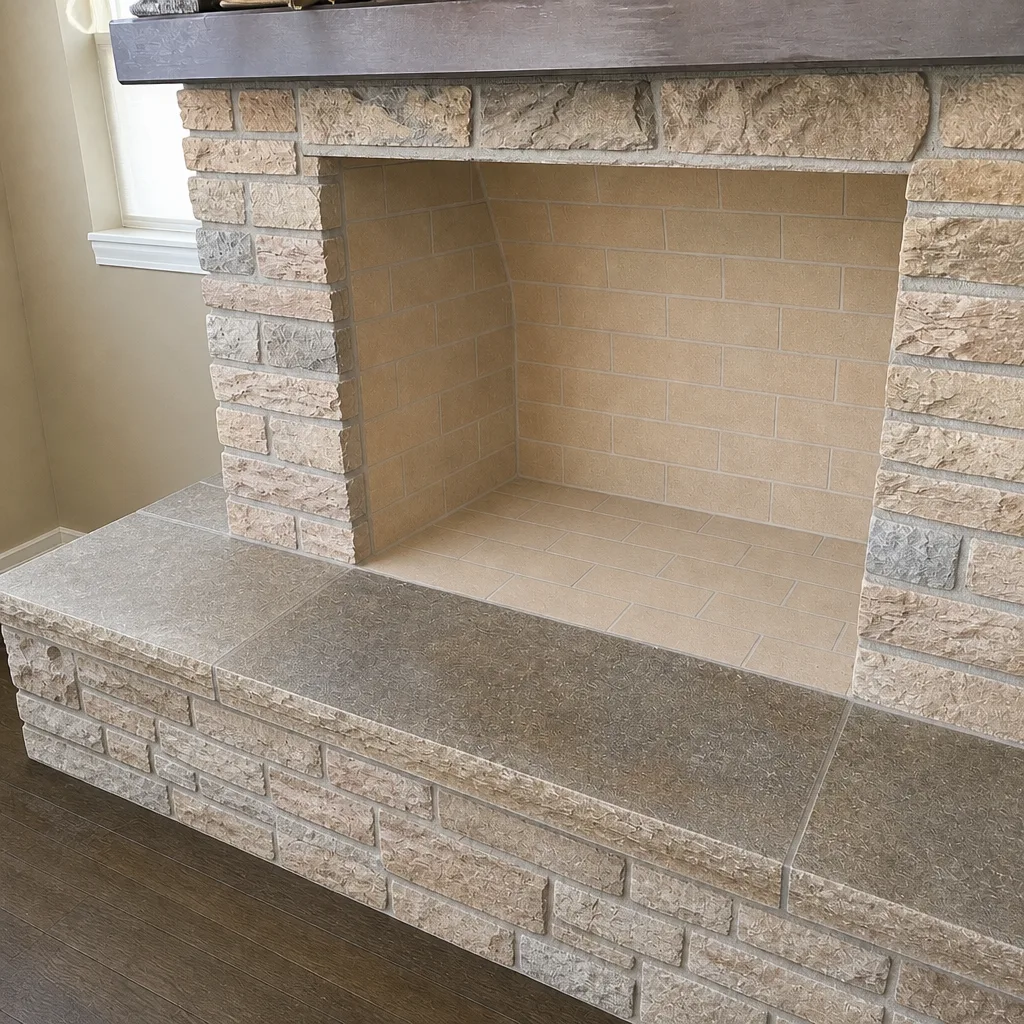
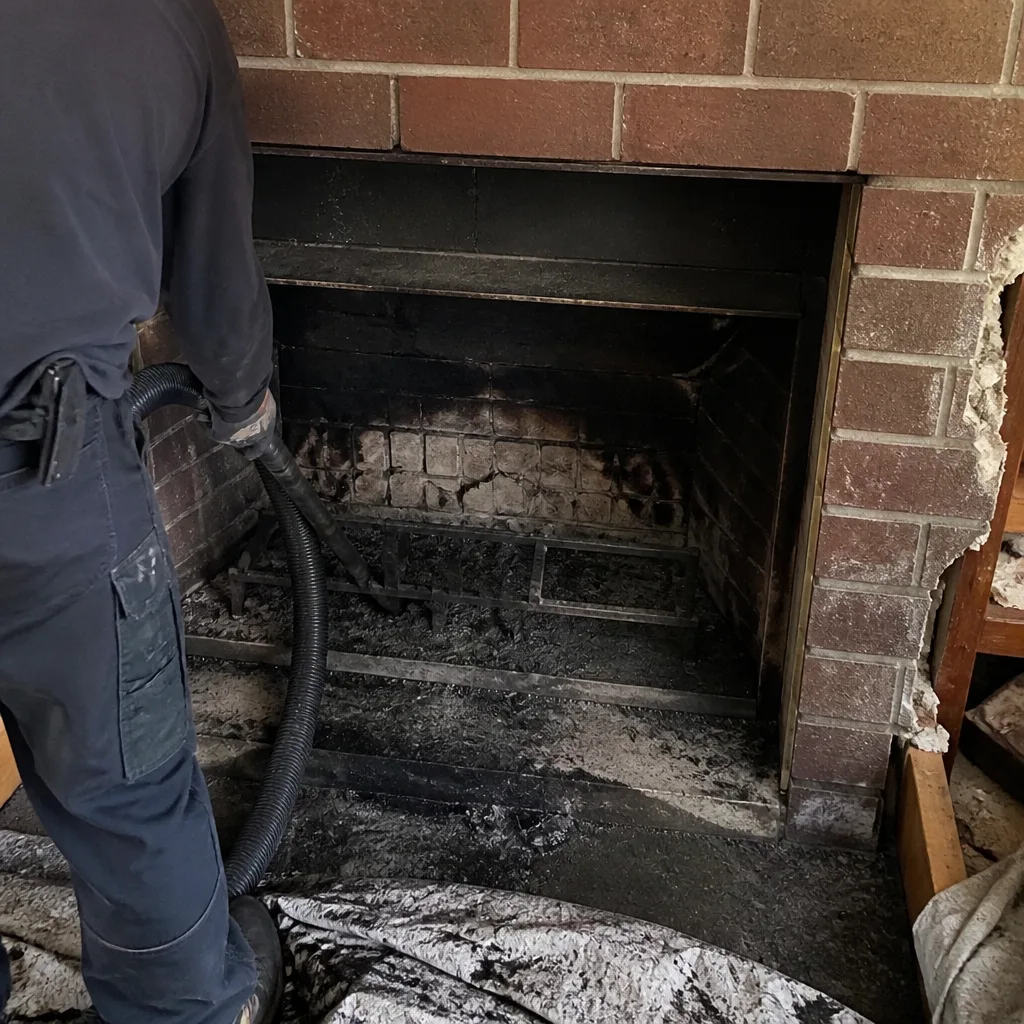
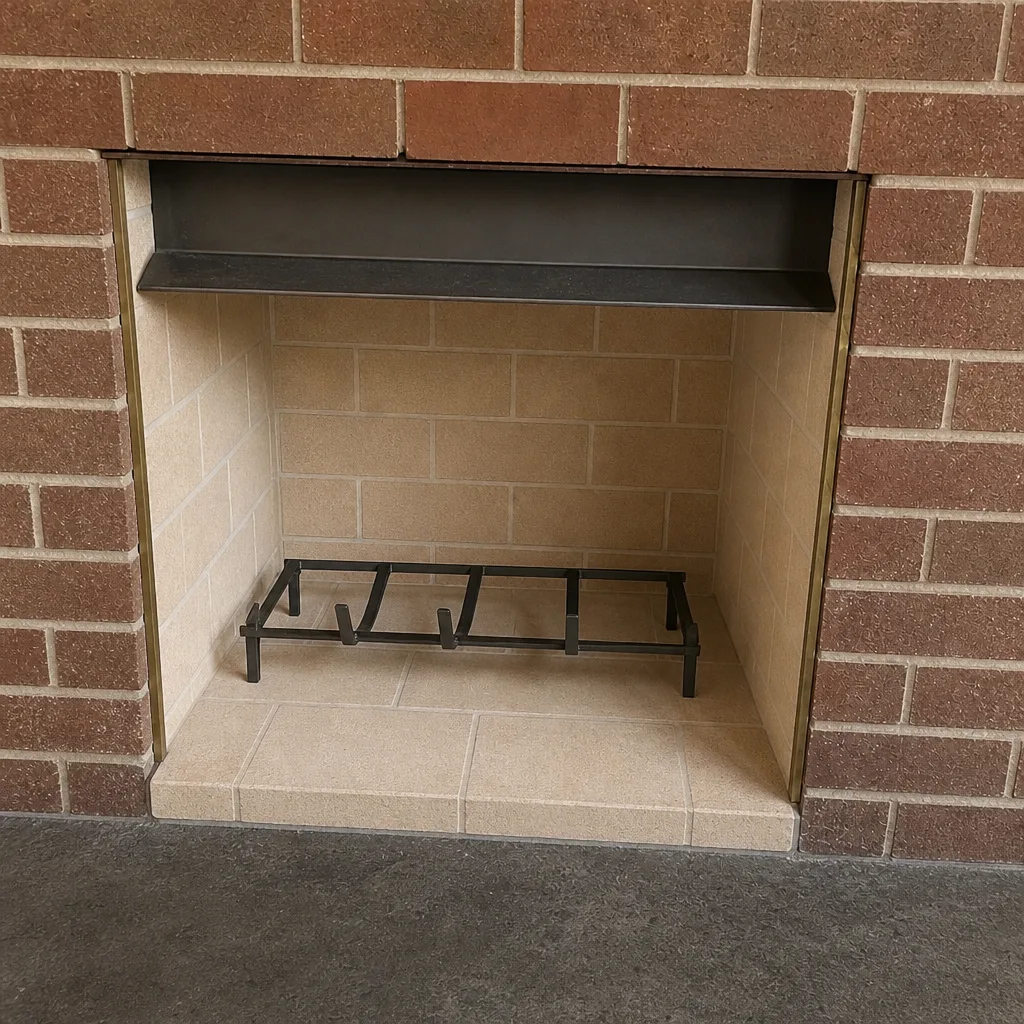
See the difference
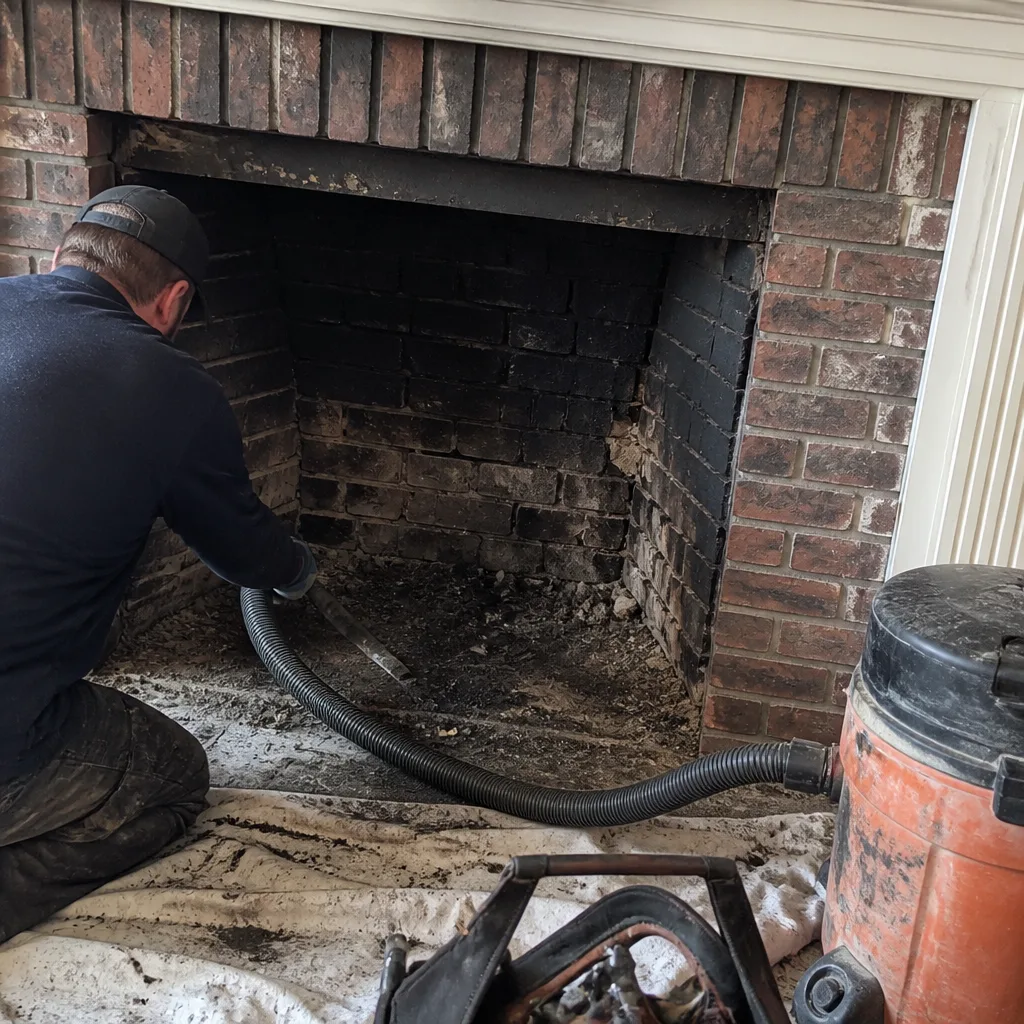 Before
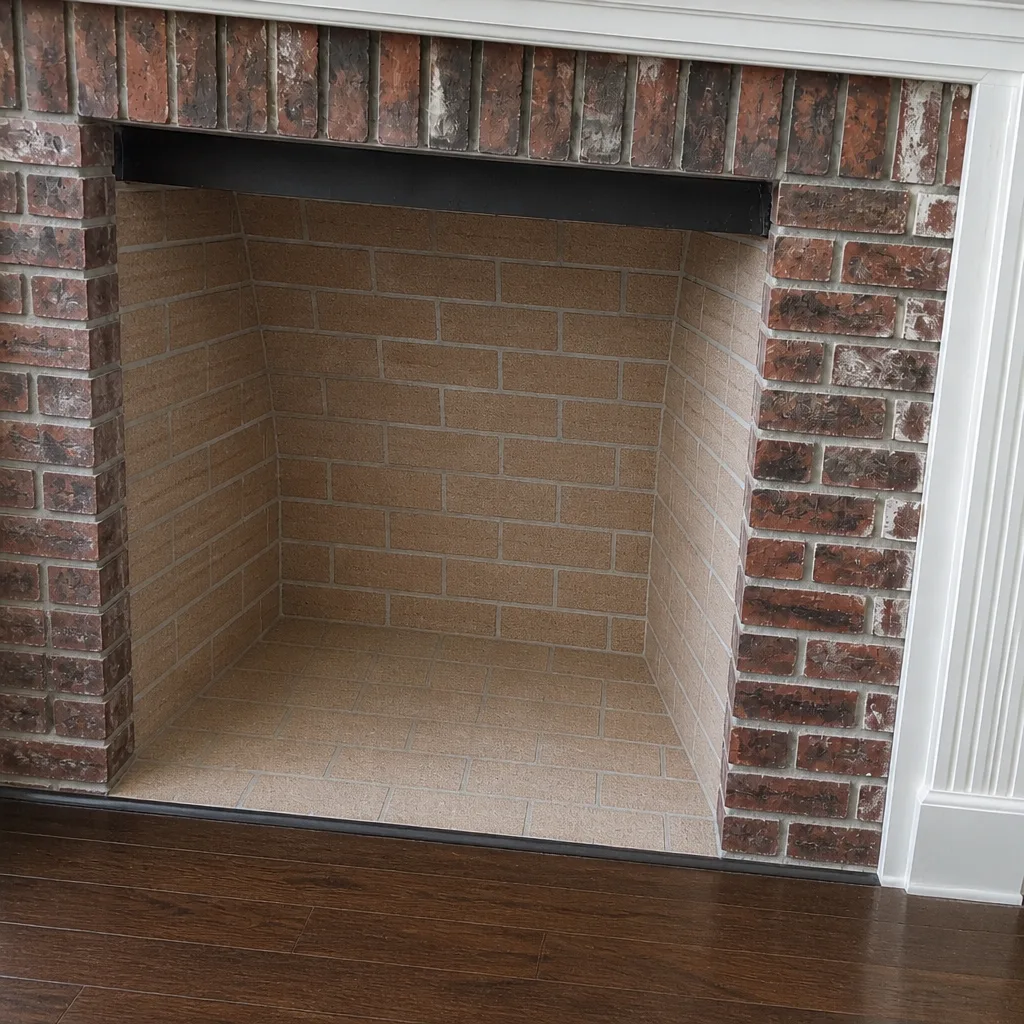 After
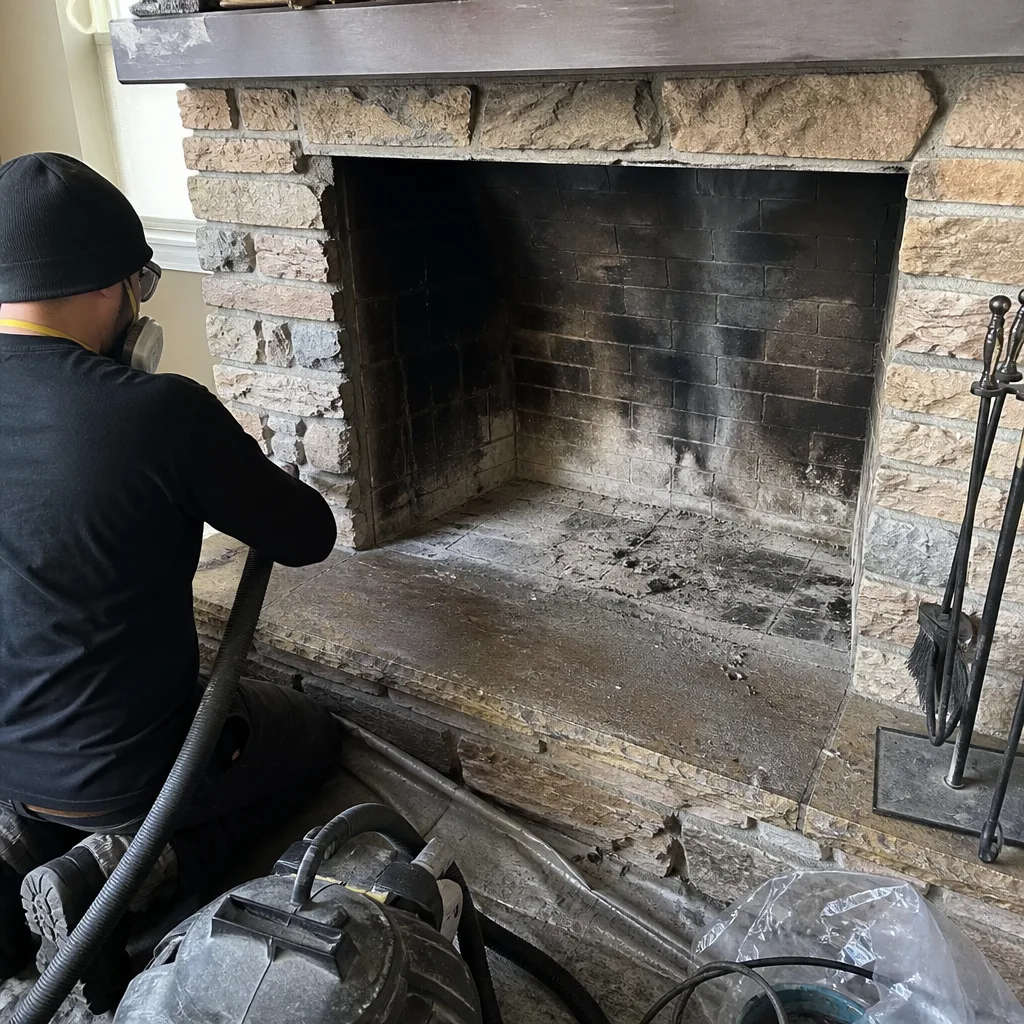 Before
 After
 Before
 After
When to Call a Professional
Call a professional for anything involving heavy creosote, liner condition, cap or crown access, masonry repair above ground level, or a suspected chimney fire. Also call if you smell creosote mid-season, see smoke roll into the room, notice water stains, or hear a low rumble from the chimney. These are all cases where a trained eye and the right materials make the difference between a fix and a bigger problem. Our technicians have up to 8 years of experience working on chimney systems, and we carry the same brands professional chimney engineers specify – DuraFlex, HeatShield, Gelco, Olympia Chimney, Famco, and Copperfield. Chimney Sweep Federal Way offers free estimates in Federal Way – call (844) 625-7660.
Frequently Asked Questions
Once a year for typical use, and more often if you burn heavily, burn unseasoned wood, or see glazed creosote on inspection. Spring is the right time for an inspection that captures last season’s issues. Fall is the right time for the sweep you need before first burn. If you’re not sure where you stand, a professional inspection settles it in one visit.
Both, if you can. The spring visit catches winter damage early and gives you months to schedule a summer repair. The fall visit confirms the flue is clean and the cap is intact before first burn. If you can only do one, fall is the priority for safety, but fall waits are longest because everyone else is booking the same window.
It includes a full flue sweep, a visual inspection of the firebox, damper, flue liner, crown, and cap, a draft check, and an assessment of the creosote level. If something needs repair, we photograph the issue and give you the written estimate for the work. The estimate is free and the final price is set per job in writing before we book the work.
Yes. Puget Sound Clean Air Agency manages the burn restriction calendar for Federal Way and can call a no-burn day during winter inversions. Checking before lighting is quick and keeps your fireplace usable on the days that matter. Signing up for agency alerts is the easiest way to stay current.
Routine sweeps can be done in winter. Repairs that involve mortar, sealants, or crown work are better done in summer or dry fall weather when materials cure properly. If a winter inspection reveals a serious problem, we’ll tell you whether it can safely wait until spring or needs to be addressed sooner. Nothing is recommended without camera evidence you can see for yourself.
Stop using the fireplace and call a professional for an inspection immediately. A chimney fire can crack the flue liner and damage masonry without obvious external signs. The right next step is a full inspection that includes a camera view of the entire flue. Only after that can anyone say what’s safe to use. We can work with your insurer on documentation if needed.
It depends on the condition of the flue tiles. If the liner is cracked but structurally intact, HeatShield ceramic resurfacing can restore it without demolition and full relining – the qualifying standard is set by the inspection. If the flue is heavily damaged or the wrong size for the appliance, a full liner installation with DuraFlex is usually the right answer. A proper inspection gives you a clear recommendation either way.
The work we do on chimneys in Federal Way falls into five categories: sweeping, inspection, fireplace repair, chimney repair, and cap and crown work. That means when a cleaning turns up something bigger, we’re not handing you off to a subcontractor. One call covers the whole system – Chimney Sweep Federal Way.
The Bottom Line
Year-round chimney care in Federal Way isn’t one fall appointment. It’s four windows: spring inspection, summer repair, fall cleaning, and winter monitoring. The climate here – wet winters, dry summers, heavy fall leaf load, spring moss – shapes the priorities of each window. Timing the work to the season means better repairs, fewer surprises, and a system that’s ready for first burn. If you haven’t had an inspection recently, or you’re not sure where your chimney sits in the cycle, a single visit tells you. We show you what we find and we fix it with materials built for the job.
Call (844) 625-7660. We answer 24/7. Fast dispatch from 7am to 7pm, Sunday through Friday. Estimates are free.
Written by the team at Chimney Sweep Federal Way.