
Last updated November 24, 2026
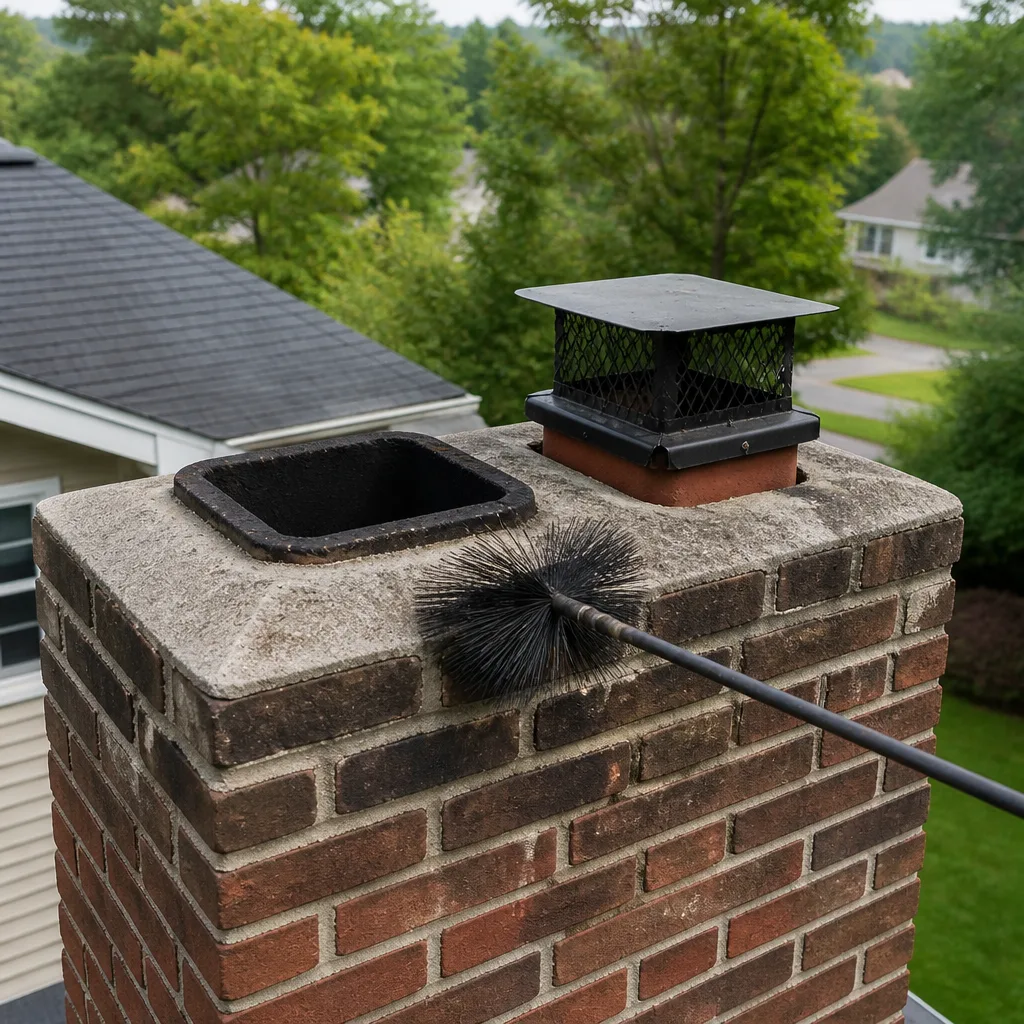 Sweep & inspection
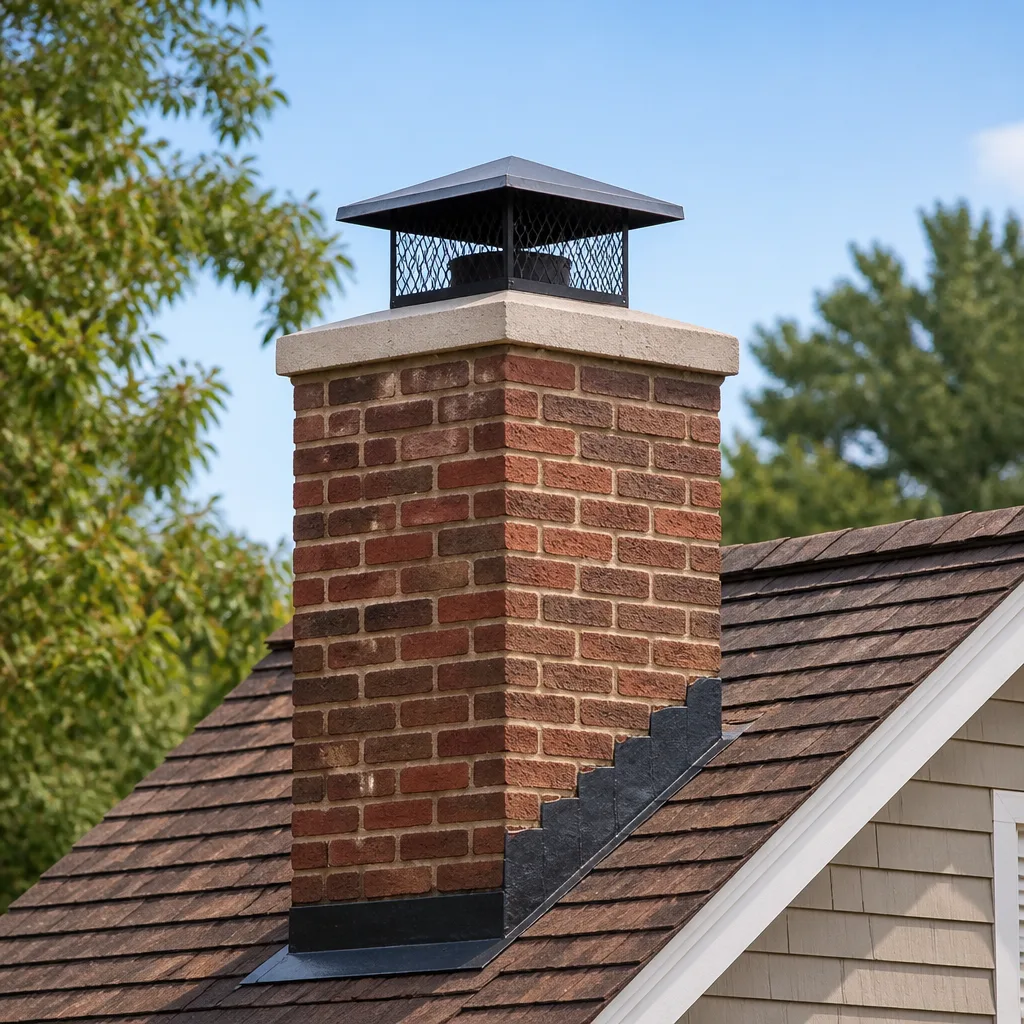 Caps & crowns
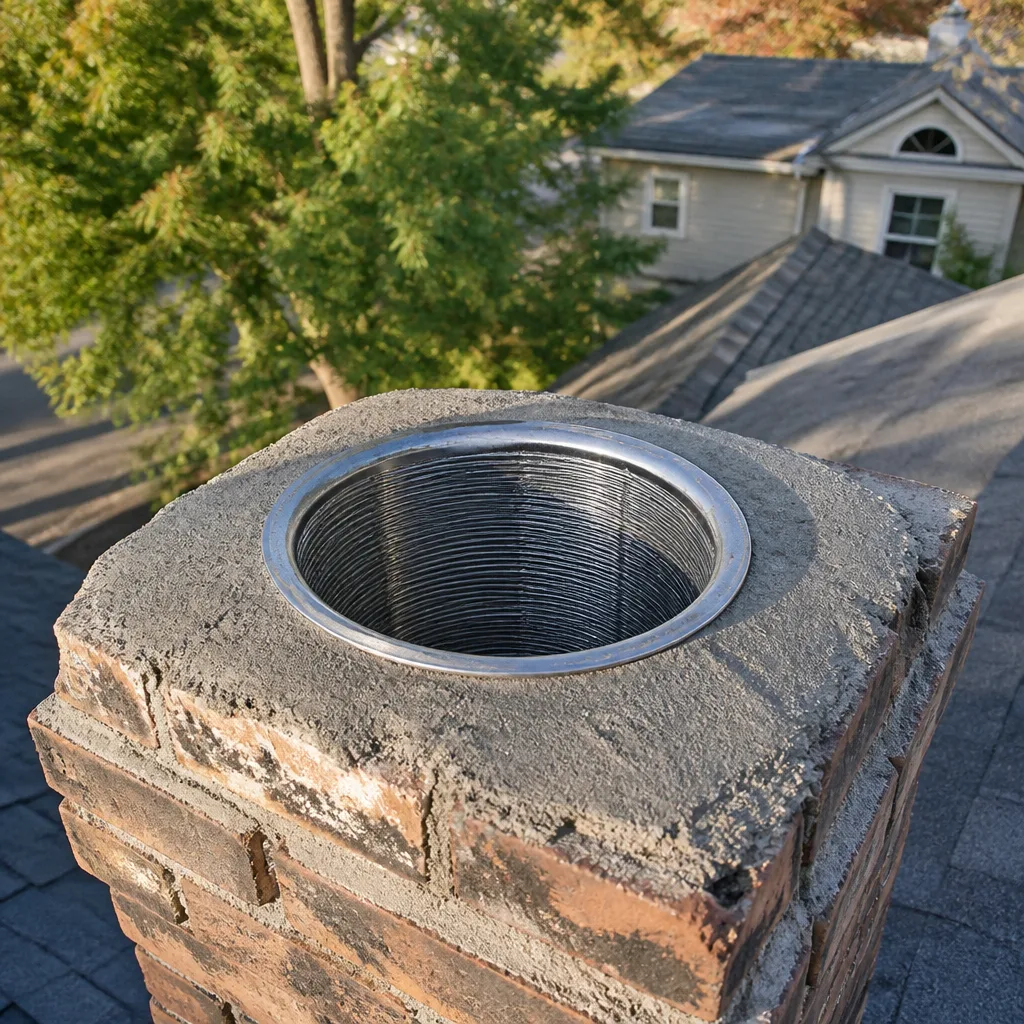 Flue relining
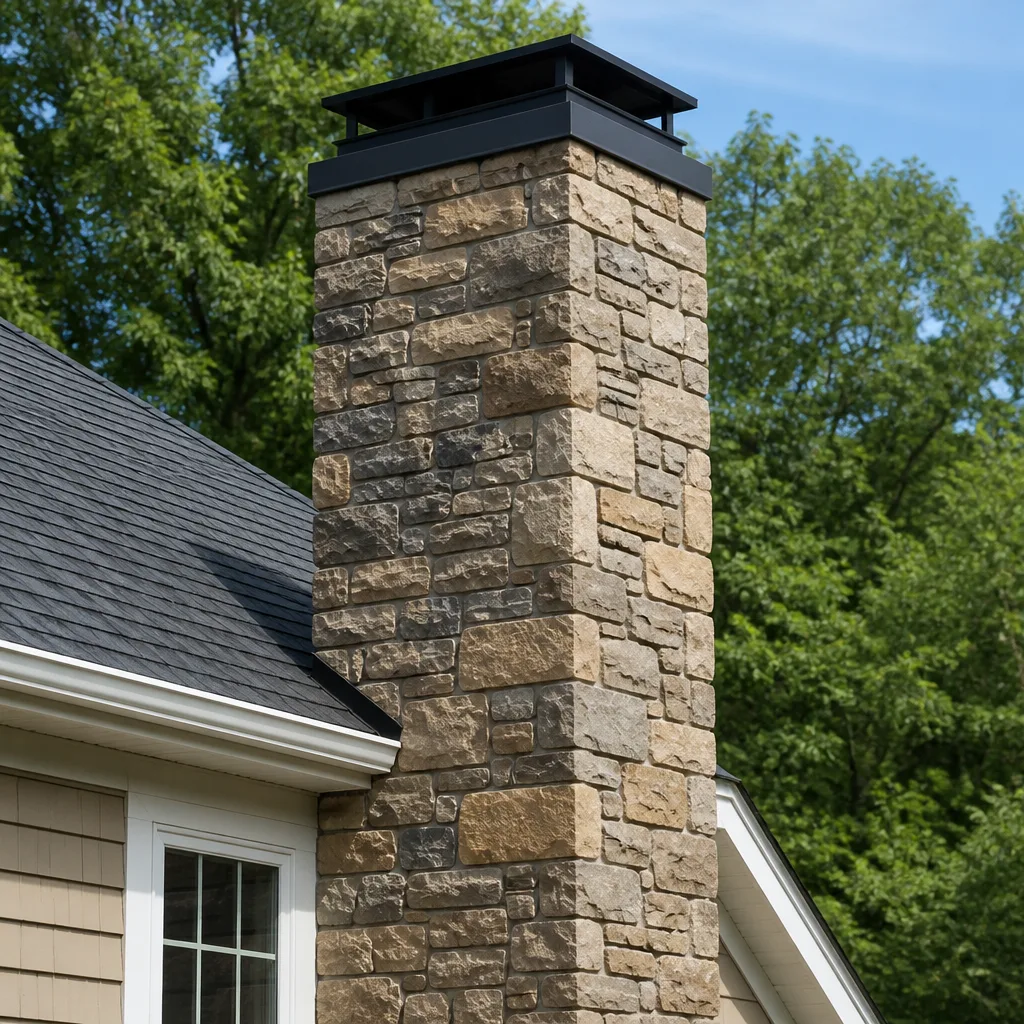 Masonry repair
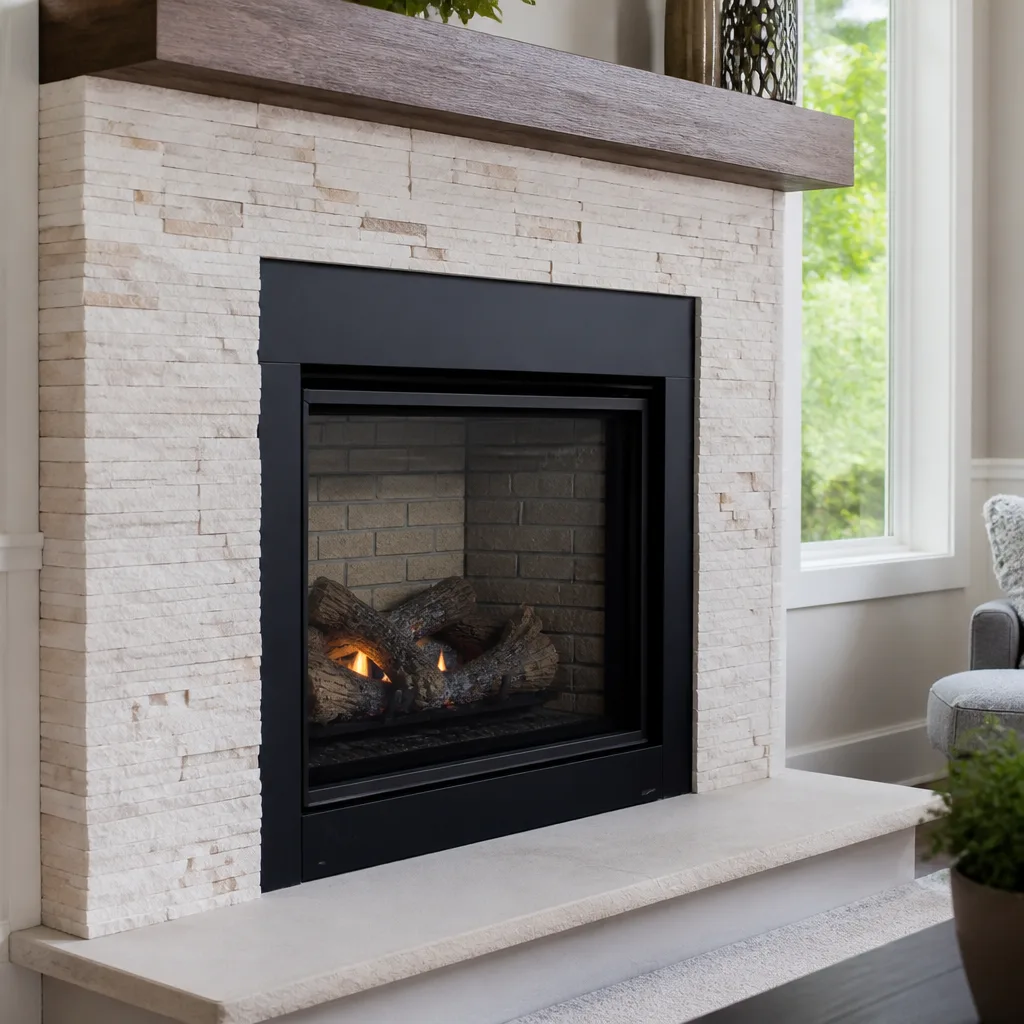 Gas fireplace service
Level 1 sweep and inspection to the NFPA 211 annual standard - flue, crown, cap, and flashing checked and photographed
Chimney sweep logs do not sweep chimneys. They loosen some creosote - which then falls where a brush and vacuum still have to collect it.
Chimney Cleaning Permits, Codes & Inspections in Federal Way, WA: What You Need to Know
Here’s the part most homeowners get backwards: the cleaning itself is the easy legal question. Sweeping a flue in Federal Way doesn’t require a permit, and neither does a routine inspection or a cap replacement. The work that follows a cleaning often does. When a sweep finds cracked tile and recommends a stainless liner, or when you decide to drop a fireplace insert into an old masonry box, you’ve crossed into permitted territory under Washington rules and Federal Way municipal code. Unpermitted liner and insert work can become a problem at resale and, in the worst case, with an insurer after a fire. This guide draws that line clearly, from what’s exempt to what inspectors in Federal Way actually look for.
Quick Answer
Routine chimney cleaning, sweeping, inspection, cap replacement and minor crown repair generally do not require a permit in Federal Way, WA. Liner replacement, fireplace insert installation, firebox rebuilds and any work that alters the chimney’s structure or flue configuration typically require a mechanical permit through the City of Federal Way, and the work must meet NFPA 211 and International Residential Code Chapter 10 standards.
Styles & brands we work with
- Sweep & inspection
- Caps & crowns
- Flue relining
- Masonry repair
- Gas fireplace service
Table of Contents
- What Chimney Work Needs a Permit in Federal Way?
- NFPA 211 and IRC Chapter 10: The Standards Behind Every Inspection
- The Permit Process for Liner Replacement in Federal Way
- Installing a Fireplace Insert: What the Permit Covers
- Why Home Sales Trigger a Level 2 Inspection
- How to Confirm Previous Work Was Permitted
- The Three Levels of Chimney Inspection, Explained
- Common Mistakes to Avoid
- When to Call a Professional
What Chimney Work Needs a Permit in Federal Way?
The dividing line is simple in principle: maintenance doesn’t need a permit, and modification does. Cleaning, sweeping, visual inspection, and swapping a cap or a damaged crown are maintenance. Anything that changes how the flue is built or what vents into it is modification, and modification is where the City of Federal Way wants to see a permit and an inspection.
We’ve watched this play out in Federal Way more than once. A homeowner hires someone to install a liner, the job looks fine from the hearth, and five years later a buyer’s inspector finds no permit record. The liner has to be documented or the sale stalls. It’s a lot easier to pull the permit up front.
Work that typically does NOT require a permit
- Chimney sweeping and creosote removal
- Level 1, 2 or 3 chimney inspection
- Replacing a chimney cap or termination cap
- Repairing or rebuilding a masonry crown
- Minor mortar repointing on the exterior
- Firebox cleaning and firebrick re-setting that doesn’t change the firebox dimensions
Work that typically DOES require a permit
- Installing, replacing or relining a chimney flue (stainless flexible liner, cast-in-place liner)
- Installing a fireplace insert or a new wood, gas or pellet appliance
- Rebuilding a firebox or altering firebox dimensions
- Adding, removing or relocating a chimney or flue
- Changing the flue’s venting configuration, including adding a new termination
- Structural repair to a chimney that carries the flue
The rule of thumb professional chimney technicians use: if the work affects the flue’s ability to vent safely, get the permit. The local pro is licensed and insured as their state requires, and a reputable one will tell you when a permit is required rather than hoping you won’t ask.
NFPA 211 and IRC Chapter 10: The Standards Behind Every Inspection
Federal Way’s inspectors don’t invent the rules on the spot. They measure your chimney against two baseline standards: NFPA 211, the Standard for Chimneys, Fireplaces, Vents and Solid Fuel-Burning Appliances, and Chapter 10 of the International Residential Code, which Washington adopts with amendments. If you’ve ever wondered why a chimney sweep cites a code section for a problem that looks cosmetic, this is why.
NFPA 211 is the standard the chimney industry works to. It defines how a flue must be sized, how much clearance a chimney needs from combustibles, how thick a liner wall must be, and what condition a flue has to be in before it’s considered safe to use. IRC Chapter 10 carries many of the same requirements into building code, so a Federal Way inspector reviewing a liner installation is usually checking it against both documents at once.
What inspectors actually look for
- Flue sizing: the liner must match the appliance. Oversized flues draft poorly; undersized ones back up smoke.
- Liner integrity: no gaps, no crushed sections, no joints that leak.
- Clearances to combustibles: the chimney must maintain its required clearance from framing, insulation and roofing material.
- Termination height: the chimney must extend the required distance above the roof and nearby structures.
- Cap and crown condition: water entry points are part of the code picture, not just a maintenance detail.
- Appliance connections: the flue connector, damper area and firebox must be sealed and intact.
In our experience, the failures that come up most in Federal Way aren’t dramatic. They’re crushed liner sections, missing caps, and flues sized for one appliance that later got connected to another. Olympia Chimney and DuraFlex components show up in permitted installations because they carry the listings inspectors expect to see, and we work with both for that reason.
The Permit Process for Liner Replacement in Federal Way
A liner replacement is the single most common permitted chimney job in Federal Way, and the process is more straightforward than homeowners expect. The permit is a mechanical permit, filed with the City of Federal Way, and it usually triggers an inspection of the finished liner installation.
The permit is not a formality. It’s how the work gets documented in the property record so that a future buyer’s inspector, an insurer or a subsequent chimney technician can see the system was done to code. That record is the difference between a liner that’s an asset and a liner that’s an open question.
The typical sequence for a permitted liner installation
- Level 2 inspection first. Before anyone specifies a liner, the flue gets inspected with a camera. The liner size, length and material are chosen from what the inspection finds.
- Permit application. The contractor files the mechanical permit with the City of Federal Way. This includes the appliance or insert details, the liner specification and the proposed installation method.
- Installation. The old flue is cleaned and prepped, the liner is installed (flexible stainless like DuraFlex or cast-in-place like HeatShield, depending on the flue’s condition), and the connections at top and bottom are sealed.
- Inspection. The city inspector reviews the installation against the permit and the adopted code. The contractor is on site for this.
- Final documentation. The permit is closed, and you keep the paperwork with your home records. This is the document that protects you at resale.
Cast-in-place liners like HeatShield are an option worth asking about for older clay-tile flues in Federal Way. They can restore a deteriorating flue in systems that qualify without full demolition and relining, which is often the less invasive path for a mid-century home. Ask whether your system qualifies before assuming a full liner is the only answer.
Installing a Fireplace Insert: What the Permit Covers
A fireplace insert is a new appliance, and that makes it a permitted job in Federal Way, WA. The permit covers the appliance itself, the flue it connects to and the venting configuration. Skipping it is the most common unpermitted chimney situation we run into.
Inserts get installed without permits for a predictable reason: the unit slides into an existing firebox and looks like a swap. It isn’t. An insert changes how the flue is used, often requires a new liner sized to the insert’s flue collar, and can require a block-off plate at the damper. None of that is visible once the surround is on, which is exactly why the permit record matters.
What a permitted insert installation includes
- The insert’s listing and manual, which specify the required flue size and clearances
- A correctly sized liner connected to the insert’s flue collar
- Clearance verification to the mantel, hearth and any nearby combustibles
- Proper termination at the top of the chimney
- A final inspection before the surround goes on
If you’re buying a Federal Way home with an insert already installed, ask for the permit record. If it isn’t there, that’s a question to resolve before closing, not after. A licensed installer can inspect the installation and tell you whether it can be documented or needs to be corrected.
Why Home Sales Trigger a Level 2 Inspection
NFPA 211 doesn’t require a Level 2 inspection every time a house sells, but it requires one whenever a property changes hands and the inspector or buyer wants to know the true condition of the system. In practice, in Federal Way, that means most real estate transactions involving a fireplace get a Level 2.
The reason is simple. A Level 1 visual inspection only covers what’s accessible without tools. A Level 2 inspection uses a camera to look at the entire flue, including the sections you can’t see from the firebox or the roof. That’s where the failures live: cracked tile, gaps in the liner, offset flues that were never properly connected, and the telltale signs of unpermitted work.
What a Level 2 inspection covers
- All accessible portions of the chimney exterior and interior
- The flue interior via video camera, full length
- Visible portions of the attic, crawlspace and roof as they relate to the chimney
- Clearances to combustibles at accessible points
- Appliance connections and the firebox
We get called into Federal Way home purchases regularly for this. A seller claims the chimney is “fine,” the buyer’s inspector finds a liner that was never permitted and doesn’t match the appliance, and the closing negotiations turn on the report. Getting the inspection before you close gives you room to negotiate or walk, depending on what it finds.
How to Confirm Previous Work Was Permitted
If you’re buying or selling a Federal Way home with a chimney system, verify the permit record before you sign anything. It’s not as difficult as it sounds, and it takes an afternoon.
Steps to verify chimney permits on a property
- Request the permit history from the City of Federal Way. Most jurisdictions allow homeowners and sometimes buyers or their agents to request a permit search for a property. Ask specifically for mechanical and building permits related to the chimney, fireplace or venting.
- Check what was inspected. A permit that was issued but never inspected or closed is a red flag. It usually means the work either wasn’t finished or wasn’t done to code.
- Match the permit to the work. If the record shows a liner permit from a previous owner, confirm the liner is actually in place and matches the appliance.
- Hire an independent Level 2 inspection. A camera inspection tells you what’s in the flue, regardless of what the paperwork says.
- Ask the seller for documentation. Receipts, inspection reports and permit numbers should be part of the disclosure package.
We can work with your insurer and with your real estate agent to document what’s found, and we hand over the camera footage so the finding is something you can see rather than something you take on faith. That matters most when the answer is “this needs work” and you have no way to judge it yourself.
The Three Levels of Chimney Inspection, Explained
NFPA 211 defines three levels of chimney inspection, and the level you need depends on the situation, not the price. Knowing which level applies to your Federal Way home keeps you from paying for more inspection than you need, or accepting less than the situation calls for.
Level 1 inspection
The basic visual inspection. It covers the accessible portions of the chimney and appliance without tools, and it’s what a routine cleaning includes. It’s appropriate when the system has been used normally and hasn’t changed since the last inspection.
Level 2 inspection
More thorough. A Level 2 adds a full-length video scan of the flue and covers accessible areas of the attic, crawlspace and roof. It’s required when a property is sold, when a new appliance or insert is installed, when the system has had a chimney fire or building fire, or when the flue has been altered.
Level 3 inspection
Reserved for situations where the previous levels found evidence of a serious problem and parts of the chimney must be opened to investigate. A Level 3 may involve removing parts of the chimney or surrounding structure.
If you’re not sure which one you need, describe the situation and we’ll tell you. The inspection isn’t the upsell; it’s the diagnostic. Nothing gets recommended that the camera doesn’t show, and if the system is sound, the report says so.
Common Mistakes to Avoid
- Skipping the permit to save a step. An unpermitted liner installation can complicate an insurance claim after a fire and can stall a sale. Pulling the permit is cheaper than resolving the problem later, and a licensed professional will file it as part of the job.
- Assuming cleaning includes the inspection. A sweep cleans. An inspection documents. A Level 1 inspection is often part of a cleaning, but a Level 2 with a camera is a separate service, and in Federal Way you’ll need one when a property changes hands or an appliance is installed.
- Buying a Federal Way home without checking the chimney permit history. A liner can look fine from the firebox and be entirely undocumented. Request the permit history as part of the inspection period while you still have room to negotiate.
- Relying on the seller’s word about the liner. “It was just done” isn’t documentation. Ask for the permit number, the inspection report and the camera footage.
- Installing an insert without addressing the flue. An insert is a new appliance with its own flue size requirement. Dropping one into an existing firebox without checking the flue is where a lot of unpermitted, unsafe installations start.
- Ignoring cap and crown problems. Water entry through a missing cap or failing crown is the most common cause of chimney deterioration in our experience. Both are maintenance items, both are cheap to fix, and both prevent expensive repairs downstream.
- Accepting a verbal “it’s all fine.” Get the report and the footage. A chimney technician’s job is to show you what’s there, not ask you to trust it.
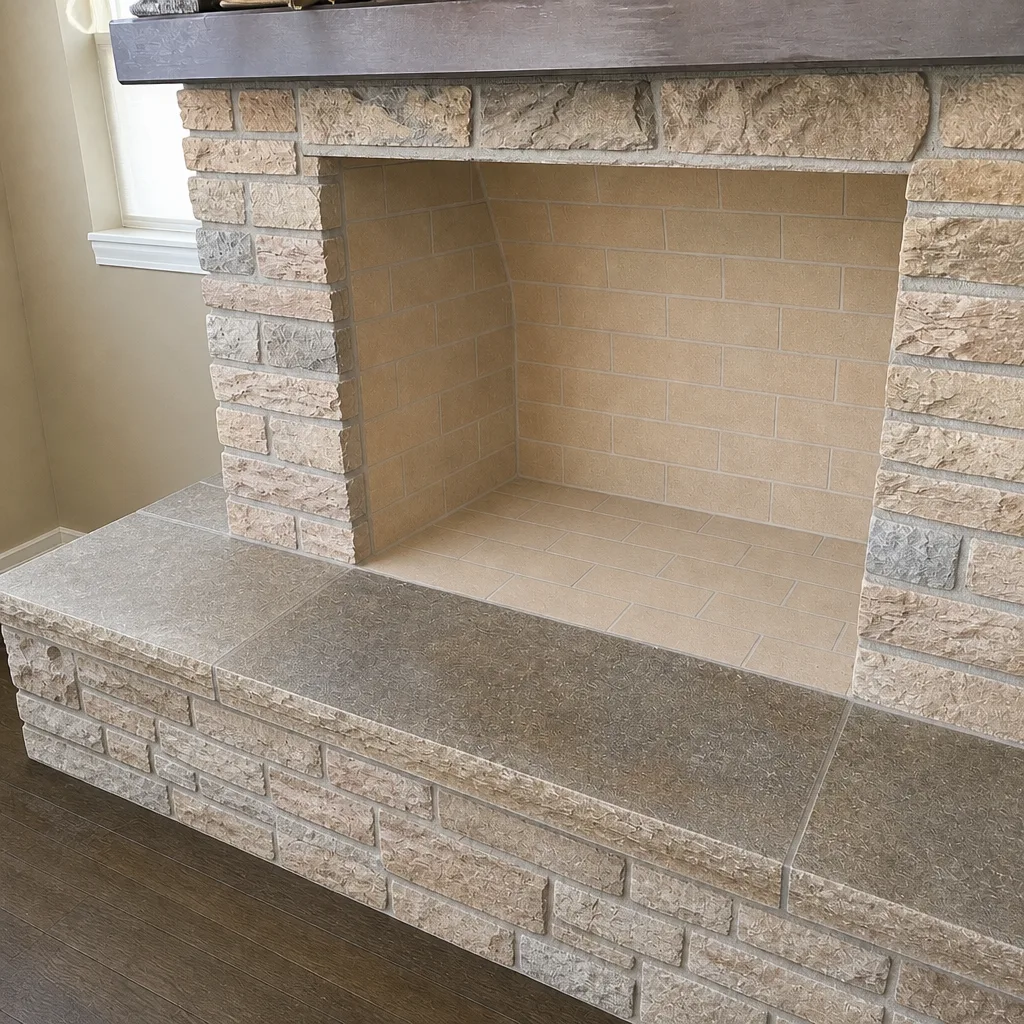
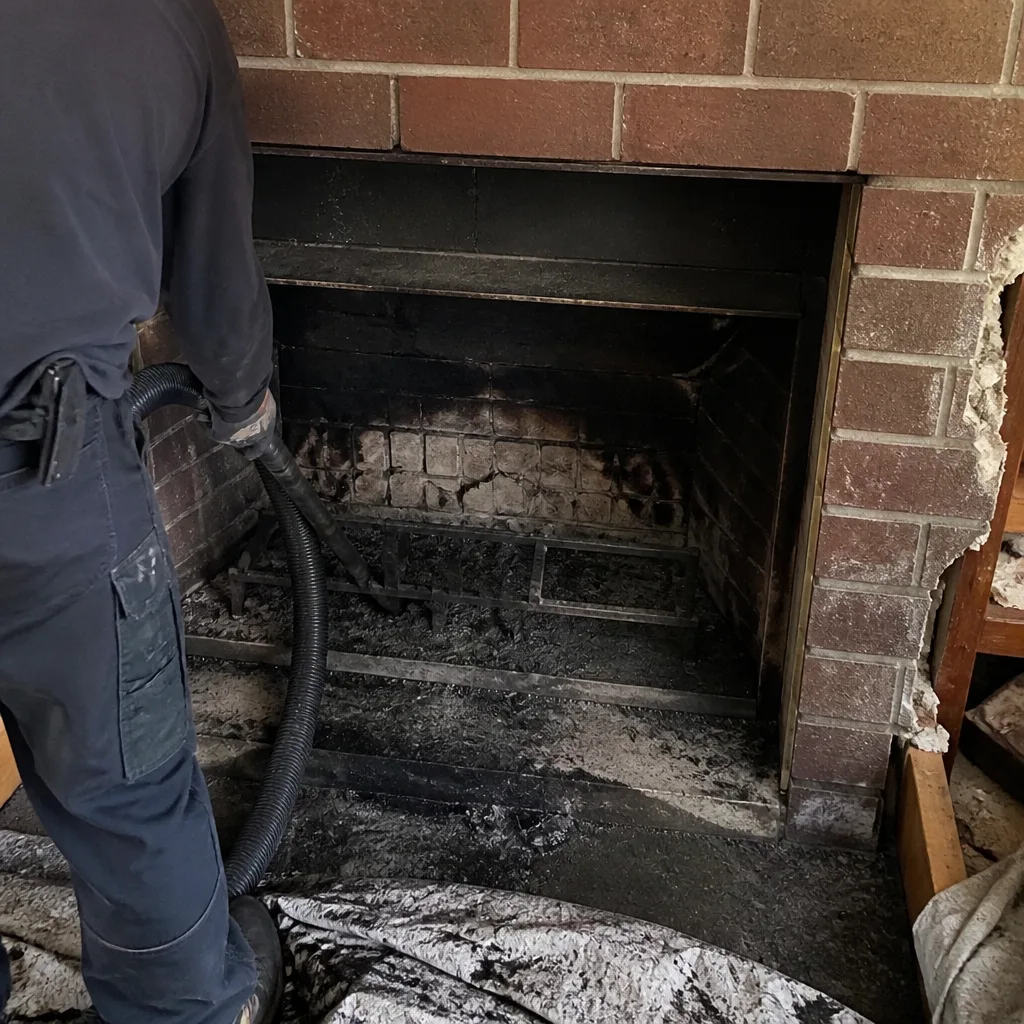
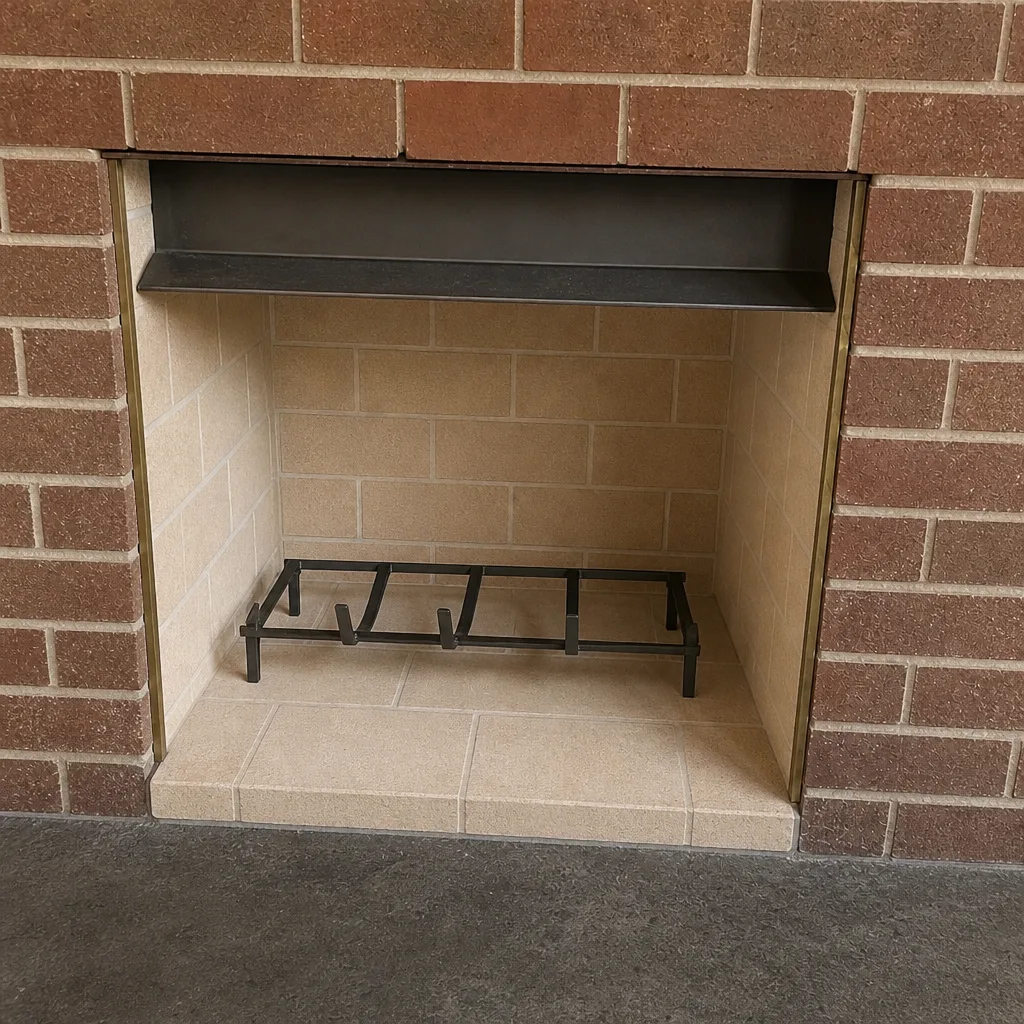
See the difference
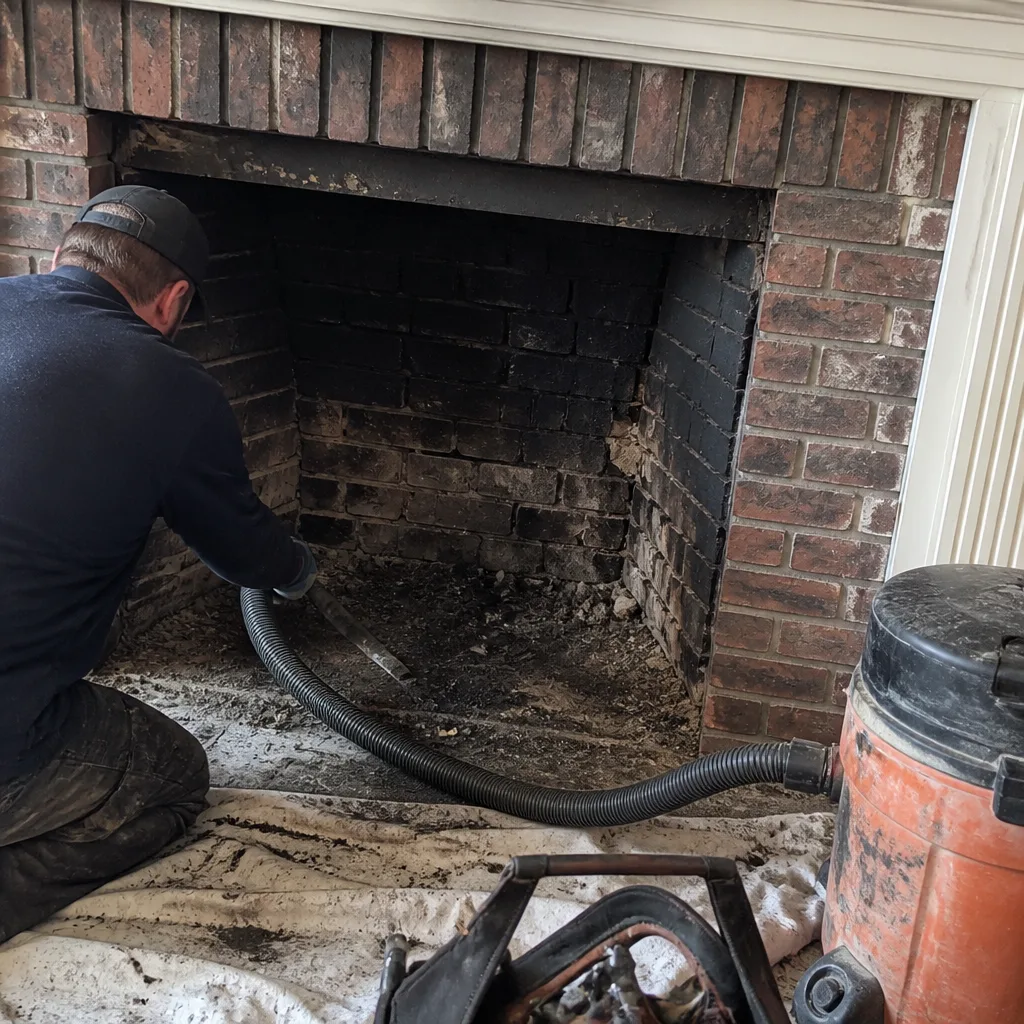 Before
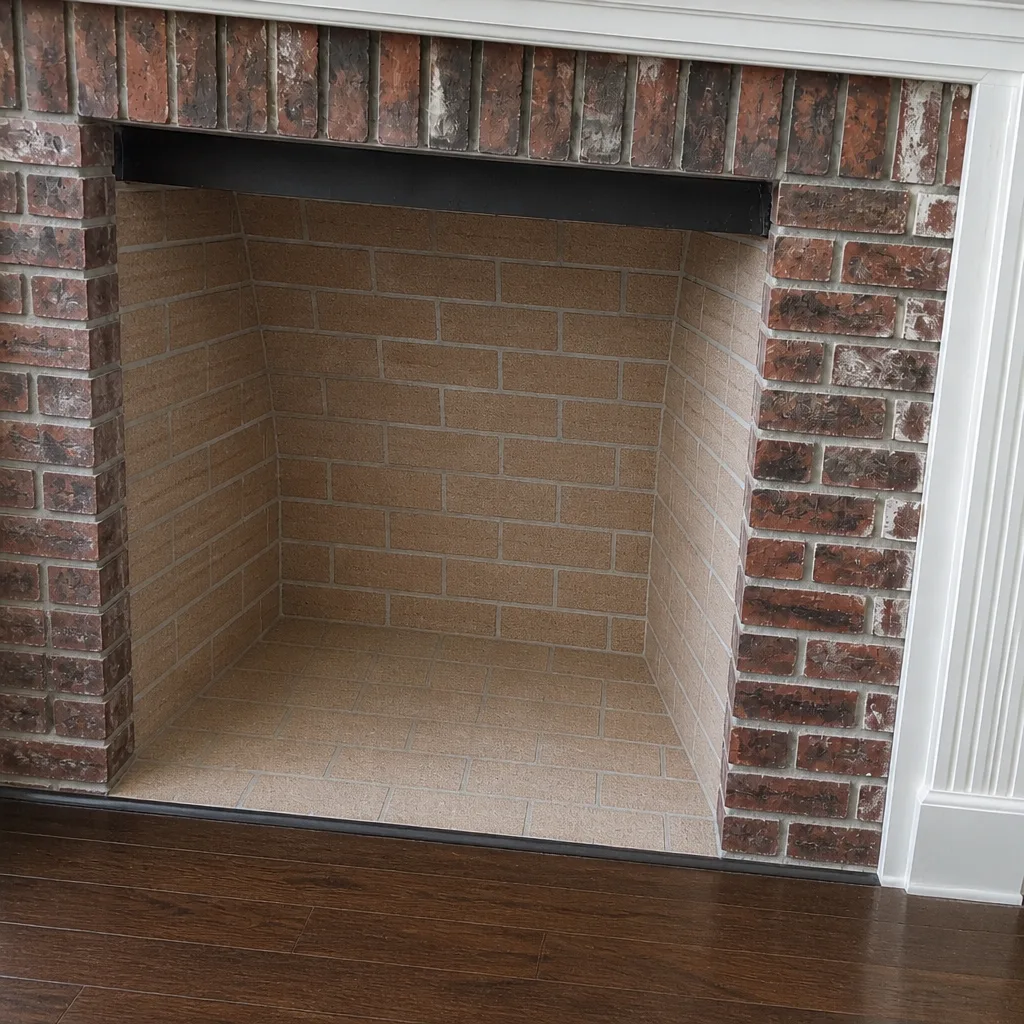 After
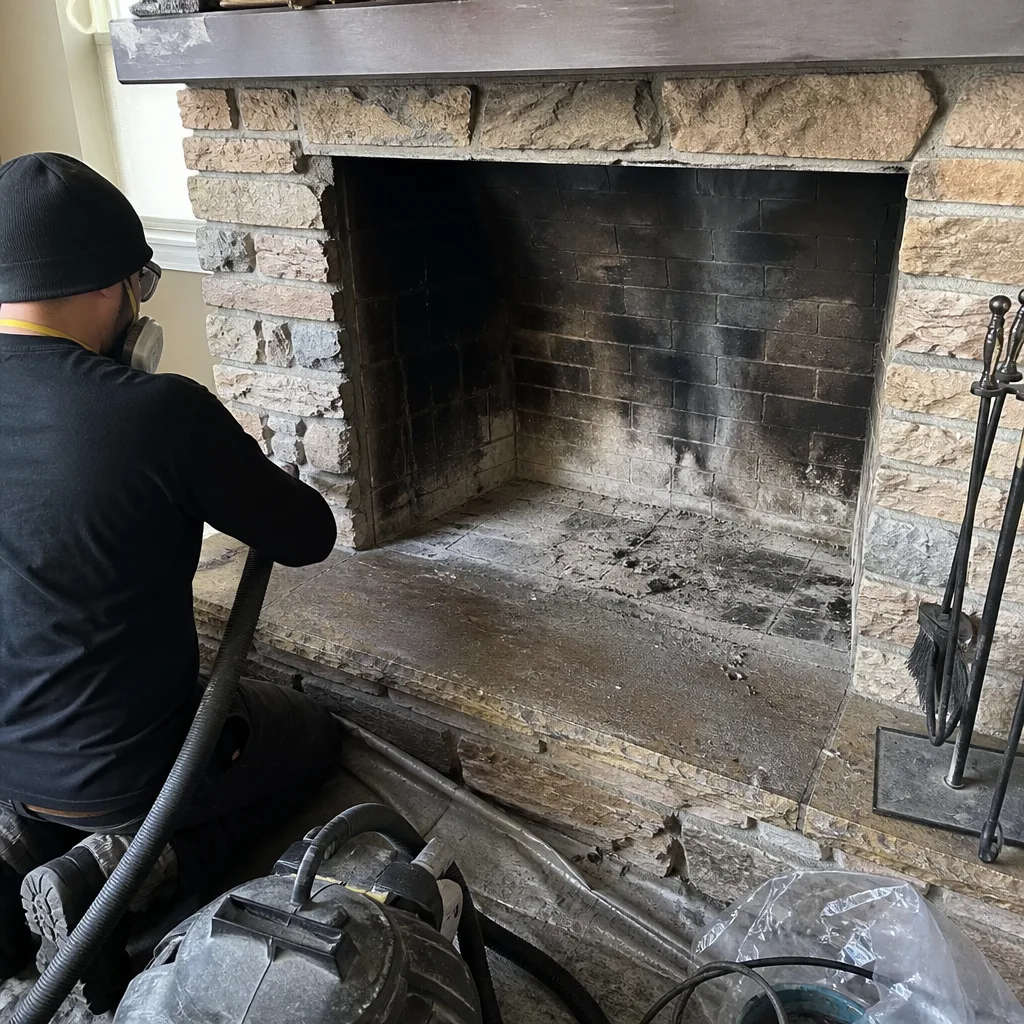 Before
 After
 Before
 After
When to Call a Professional
Call for a professional inspection when you’re buying or selling a Federal Way home with a fireplace, when an appliance or insert has been installed and you can’t find the permit record, or when a cleaning turns up liner damage that needs a camera inspection to size correctly. Call when you’ve had a chimney fire, even a small one; NFPA 211 calls for a Level 2 after any chimney fire, and the damage is often invisible from the firebox. Call when a flue has been relined and the work was never documented. Call when a cap or crown is missing or failing, and call when you’ve noticed odors, drafting problems or visible deterioration and want to know what’s actually going on before you decide on any repair.
Chimney Sweep Federal Way offers free estimates in Federal Way – call (844) 625-7660. We answer 24/7. Fast dispatch from 7am to 7pm, Sunday through Friday. The local pro is licensed and insured as their state requires, and the written estimate sets the final price before any work begins.
Frequently Asked Questions
No. Routine chimney cleaning and sweeping do not require a permit in Federal Way, and neither does a basic inspection or a cap replacement. A permit is required when the work changes the flue or the appliance, such as liner replacement or fireplace insert installation. Call (844) 625-7660 for an exact quote on inspection and cleaning – estimates are free.
Yes, in almost all cases. A liner replacement is a mechanical alteration of the flue and typically requires a mechanical permit from the City of Federal Way, followed by an inspection of the finished installation. The permit record is what protects you at resale and with your insurer. A licensed professional files the permit as part of the job; call (844) 625-7660 to talk through your system.
NFPA 211 recommends sweeping when there’s a buildup of creosote in the flue, which for a regularly used fireplace usually means an annual inspection and cleaning as needed. If you burn frequently, you’ll need it more often than a household that lights the fireplace a few times a year. The inspection tells you whether it’s due. Call (844) 625-7660 for an exact quote – estimates are free.
The buyer’s inspector will often find it, the closing can stall while the permit is resolved, and the work may need to be documented or corrected before the sale closes. In Federal Way, unpermitted liner or insert work is a common finding during a real estate transaction. A Level 2 inspection before you list or before you close gives you room to resolve it. Call (844) 625-7660 for an exact quote – estimates are free.
A Level 1 inspection is visual and covers only the accessible portions of the chimney. A Level 2 inspection adds a full-length video scan of the flue and covers accessible attic, crawlspace and roof areas, and it’s what NFPA 211 calls for after a chimney fire, when an appliance is installed, or when a property changes hands. Call (844) 625-7660 to book the right level for your situation – estimates are free.
Creosote accumulates in the flue every time you burn, and the risk of a chimney fire climbs with the buildup. A cracked flue tile or a failing liner can let heat and gases reach parts of the structure that were never meant to see them, which is exactly the scenario an insurer will ask about after a loss. An inspection is how you find out before that happens. Call (844) 625-7660 for an exact quote – estimates are free.
The Bottom Line
Cleaning your chimney in Federal Way is simple and permit-exempt. Liner replacement, insert installation, firebox work and any change to the flue’s configuration are permitted jobs, and the paperwork is what makes the work an asset instead of an open question. Have a Level 2 inspection before you buy, before you install, and after any chimney fire. Verify permits for work you didn’t commission yourself, especially during a home sale. Ask for the camera footage and the written report, and don’t accept “it’s fine” without seeing why. The standard is NFPA 211 and IRC Chapter 10, and a knowledgeable local technician works to both.
Chimney Sweep Federal Way handles inspection, cleaning, liner replacement, fireplace repair, and chimney repair including cap and crown work. We work with DuraFlex, HeatShield, Olympia Chimney and Copperfield products, and we tell you what we find, show you why it matters, and fix it with materials built for the job. Call (844) 625-7660. We answer 24/7. Fast dispatch from 7am to 7pm, Sunday through Friday. The written estimate sets the final price, and nothing gets recommended that the camera doesn’t show.
Written by the team at Chimney Sweep Federal Way.