
Last updated November 24, 2026
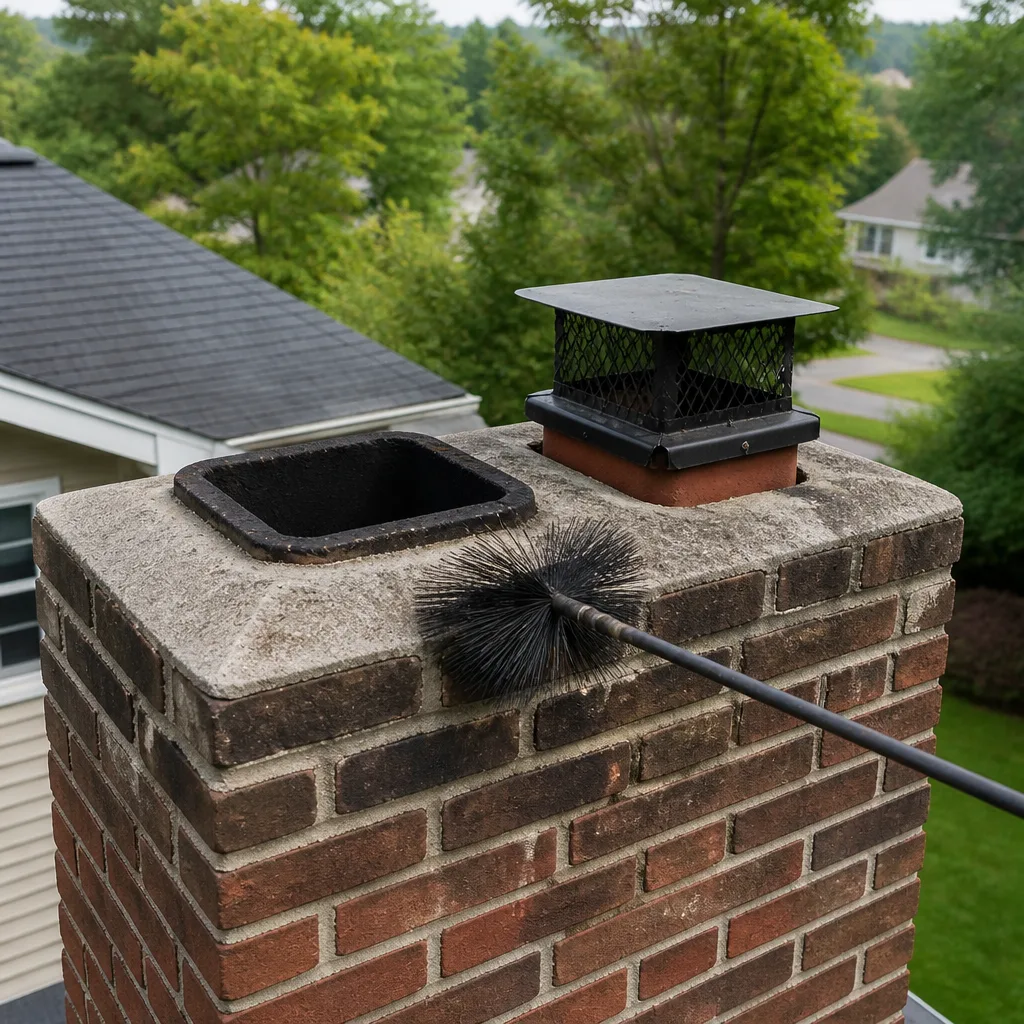 Sweep & inspection
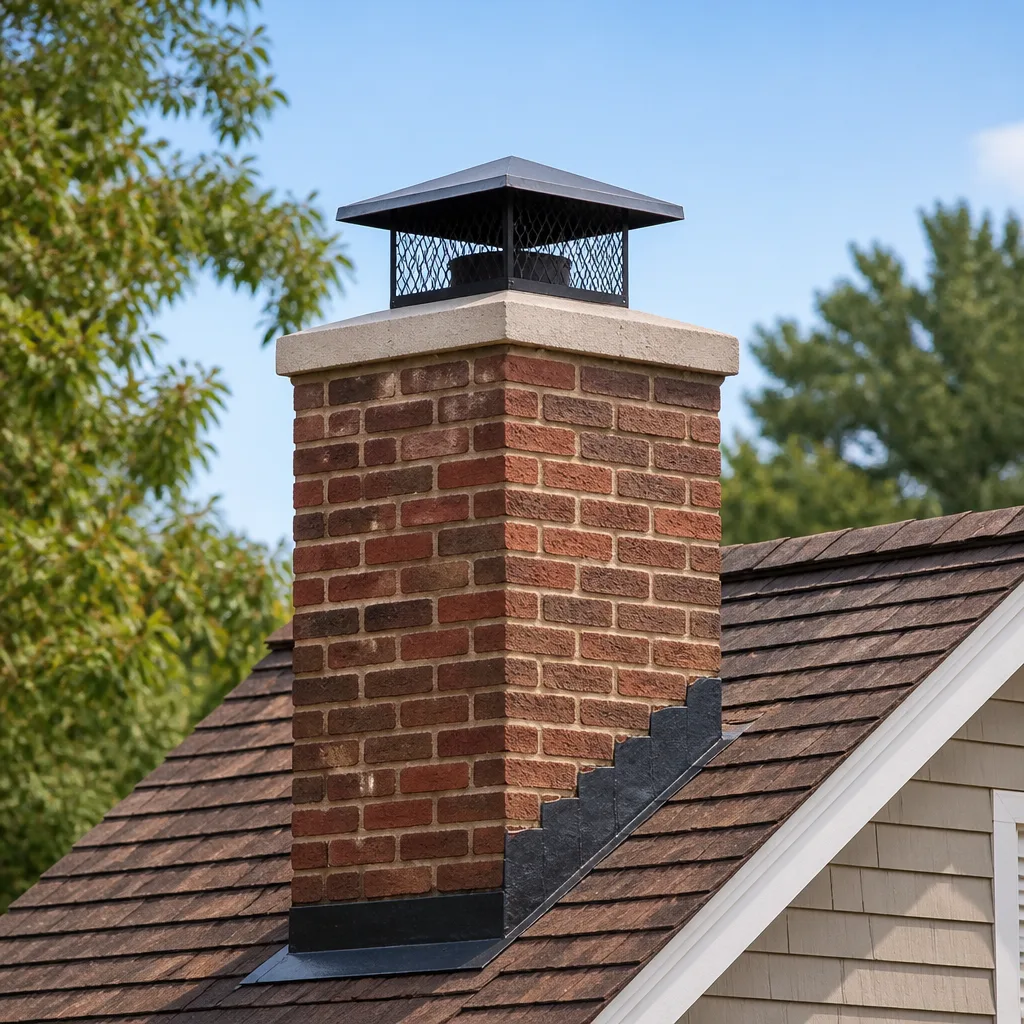 Caps & crowns
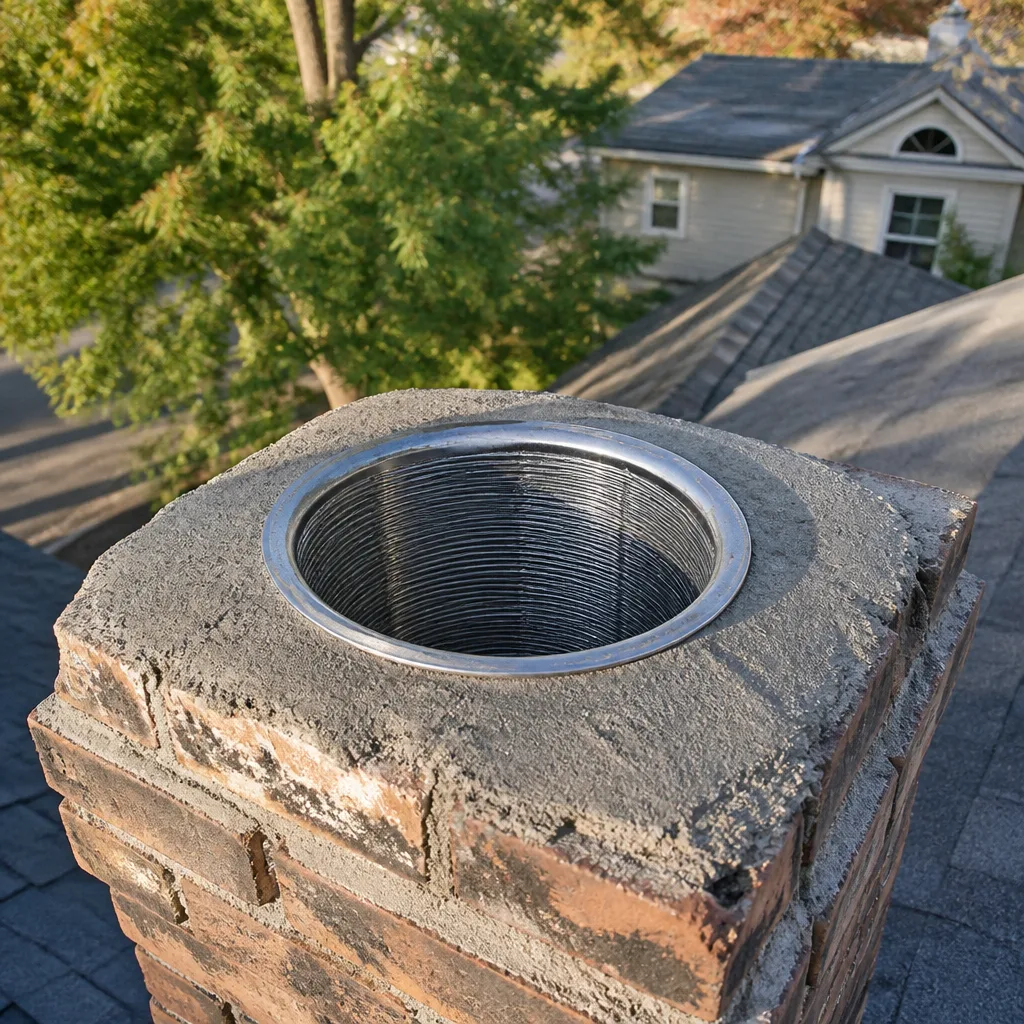 Flue relining
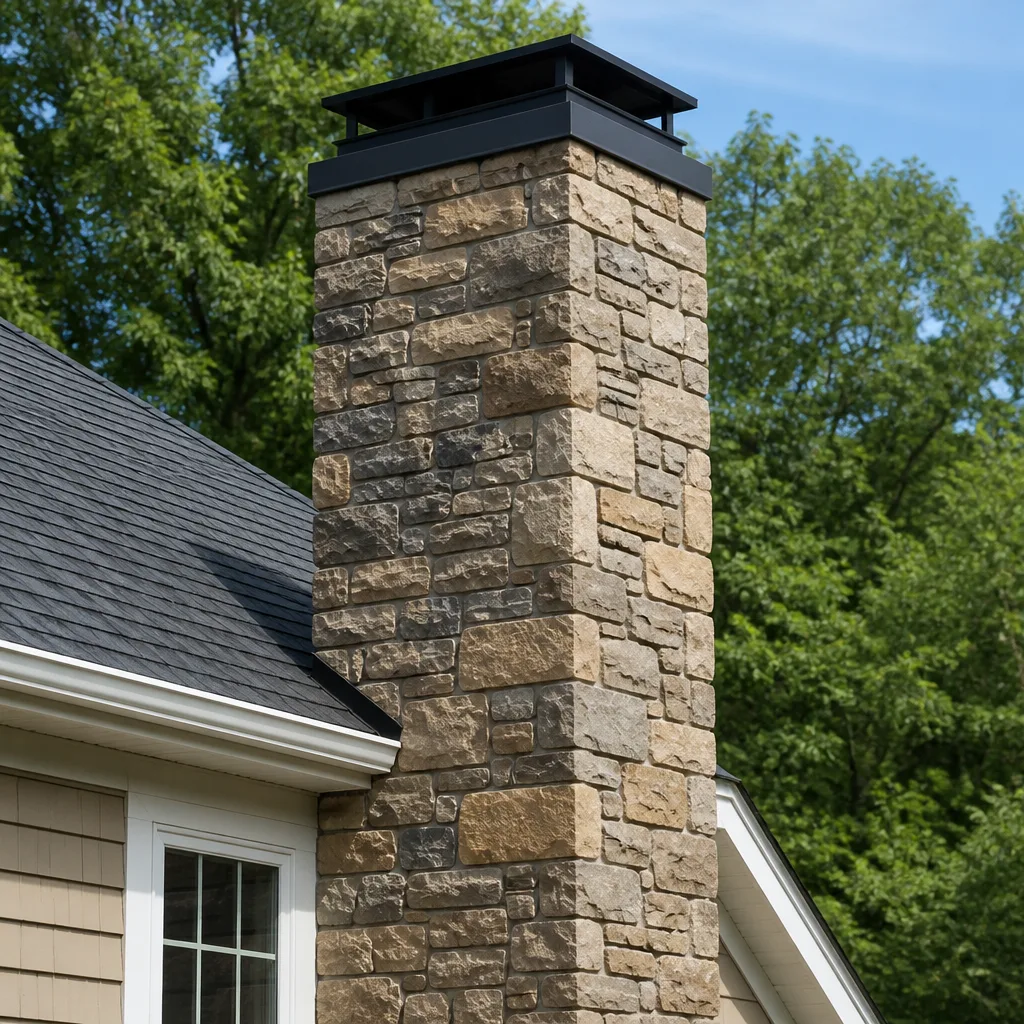 Masonry repair
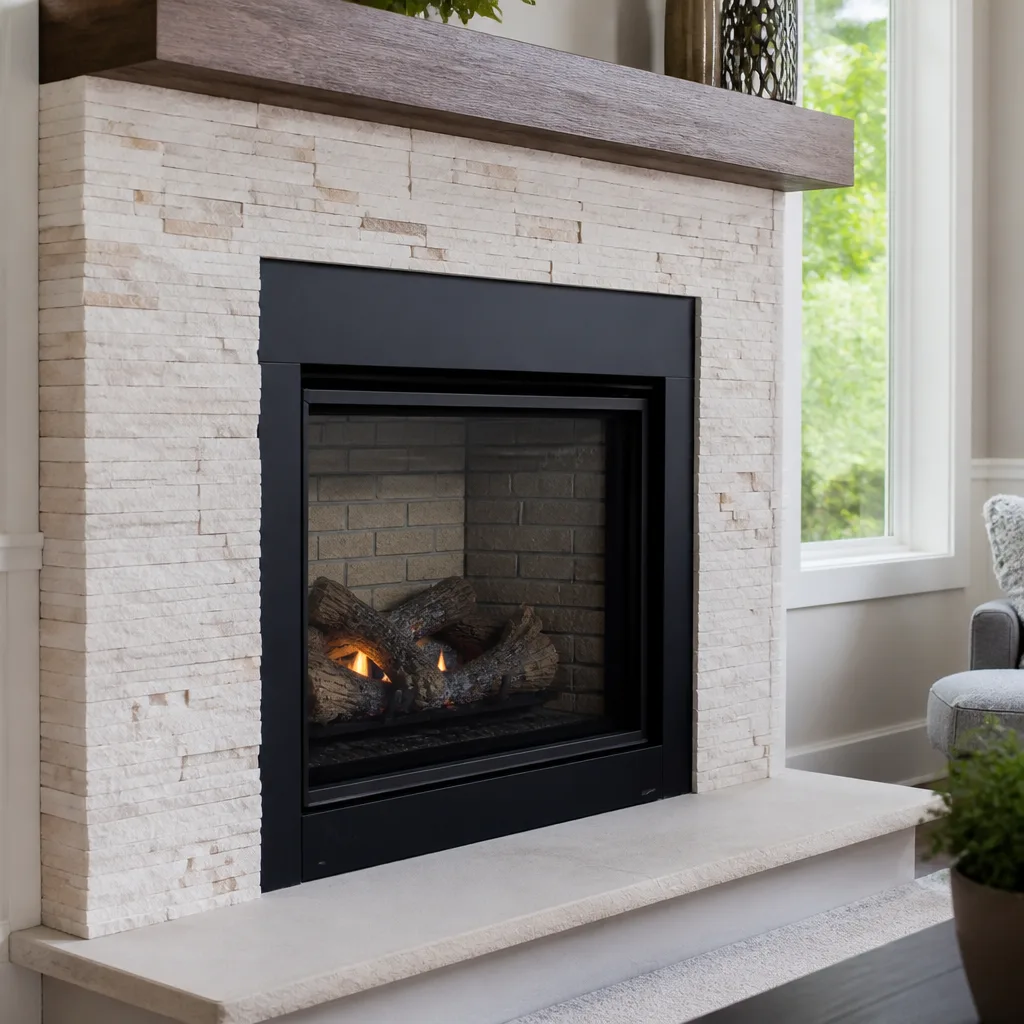 Gas fireplace service
Level 1 sweep and inspection to the NFPA 211 annual standard - flue, crown, cap, and flashing checked and photographed
Chimney sweep logs do not sweep chimneys. They loosen some creosote - which then falls where a brush and vacuum still have to collect it.
Chimney Cleaning Warning Signs: A Federal Way Homeowner’s Reference Guide
Most chimney problems announce themselves long before they turn dangerous. The trouble is that the early signals – a faint smell in July, a puff of smoke when you open the damper, a white chalky stain on the brick – look like nothing to a homeowner who has never been told what normal looks like. A strong backdraft when you open the damper is the clearest example: most people assume it’s a draft problem, but it’s often a blocked flue or negative pressure in the house working against the chimney, and a cleaning alone won’t solve the second one. This guide decodes the smells, sounds, stains, and draft behavior you’ll notice in a Federal Way home and maps each one to the mechanical cause underneath it.
Quick Answer
A chimney usually shows at least one early warning sign before it becomes a safety problem: a smoky odor, a draft that pushes smoke into the room, white staining or rust on the exterior, cracked firebox panels, or a flue that no longer draws. Most of these signals mean the chimney needs inspection and cleaning, not necessarily major repair. The few that mean stop using the fireplace now are active smoke rollback into the room, a strong gas or chemical smell, visible creosote buildup inside the flue, and cracked or displaced flue tile.
Styles & brands we work with
- Sweep & inspection
- Caps & crowns
- Flue relining
- Masonry repair
- Gas fireplace service
Table of Contents
- What Chimney Smells Are Telling You
- Reading the Outside of Your Chimney
- Draft Problems: Three Different Causes
- What the Firebox Is Saying
- Creosote: The Sign You Can’t See
- Monitor-and-Schedule vs. Stop-Using-Now
- Why Federal Way Chimneys Age the Way They Do
- How Often a Federal Way Chimney Needs Attention
What Chimney Smells Are Telling You
A chimney smell is a diagnostic clue, and the season it shows up in narrows the cause fast. Two of the most common are easy to confuse, so start here.
Creosote odor in summer
If your fireplace smells smoky or acrid in July and August – when you haven’t burned a fire in months – you’re smelling creosote. That’s the tar-like residue that condenses on the inside of the flue every time you burn. In cool weather it stays solid. When the outside air gets warmer and more humid than the air inside the chimney, the draft reverses and pushes the smell down into the house. In Federal Way, the smell tends to peak in late summer when the humidity climbs and the house stays closed up with the windows shut.
A creosote smell is a sign that the flue has buildup heavy enough to hold odor. It isn’t automatically an emergency, but it does mean the chimney is overdue for a chimney sweep. If the smell is sharp and stings your eyes, or you can see shiny black glaze on the flue walls through the damper, that’s the more advanced stage of creosote and worth treating as urgent.
Musty smell after rain
A musty, damp, earthy smell after a rainstorm is a different animal entirely. That’s water. Creosote and soot absorb moisture and hold it, and a musty odor usually means rain is getting into the flue – typically past a missing or damaged chimney cap, a cracked crown, or failing mortar joints. Water in the chimney does more long-term damage than almost anything else: it rusts dampers, freezes and cracks flue tile, spalls brick, and rots the mortar that holds the whole structure together.
In our part of the Pacific Northwest, we get a wet season that runs most of the year, so a small water intrusion that would be a minor nuisance in a dry climate compounds fast here. If the musty smell comes with any of the exterior staining covered in the next section, schedule an inspection rather than just lighting a fire and hoping it dries out.
Other smells and what they mean
- Gas smell near a gas fireplace: stop using it and call for service. This is a fuel issue, not a chimney-cleaning issue.
- Strong chemical or solvent smell: could be a flue liner breaking down or a blocked vent. Stop using the fireplace until it’s inspected.
- Smoke smell that lingers in the house even when you aren’t burning: usually a draft or pressure problem, covered below.
Reading the Outside of Your Chimney
More than half of chimney problems are visible from the ground if you know where to look. Walk outside your Federal Way home and check the chimney for these three signals.
White efflorescence staining
Efflorescence is the chalky white powder or crust that appears on brick and mortar. It’s salt pushed to the surface as water moves through the masonry and evaporates. Seeing a light dusting on a new chimney is normal. Seeing heavy, recurring efflorescence – especially on the chimney in Federal Way, where the wet climate keeps masonry damp – means water is moving through the structure and the chimney isn’t shedding it properly. Left alone, that same moisture causes spalling.
Spalling brick and crumbling mortar
Spalling is when the face of a brick flakes off or pops away. It happens when trapped water freezes and expands inside the brick, then thaws. Federal Way gets the freeze-thaw cycles that drive this: cold overnight temperatures that snap back to mild days. Once a brick starts spalling, that one is finished and has to be replaced. Crumbling mortar joints – you can rub them away with your thumb – are the same story. When the mortar goes, the crown above it usually goes too, and that’s when the water really gets in.
Rust streaks below the cap
Rust stains running down the outside of the chimney or the fireplace chase almost always mean the chimney cap is failing. The cap is the metal lid at the top; its job is to keep rain and animals out while letting exhaust through. When it rusts through or an animal nest clogs the screening, water and debris get past it and start attacking everything below – the damper, the flue tile, the firebox. A cap replacement is one of the least expensive and highest-value repairs in this trade, and it’s one of our five core services for exactly that reason.
If any of these three is present, get the chimney looked at before the heating season. We can work with chimney repair to fix spalled brick, cracked crowns, and failing mortar in a single visit instead of three.
Draft Problems: Three Different Causes
Not every draft problem is a draft problem. This is the single most misread warning sign, and getting the cause right matters because each has a different fix. Here are the three root causes a homeowner needs to be able to tell apart.
- Blockage. Something is physically in the flue or on top of it: a bird nest, leaves, a fallen cap screen, an animal. Symptom: the smoke won’t go up at all, or the fireplace puffs smoke into the room constantly, regardless of weather. This one needs cleaning and inspection.
- Negative pressure. The house is tighter than the chimney can pull against. Modern homes with tightly sealed windows, exhaust fans in the bathroom and kitchen, and dryers pushing air out all create a slight vacuum inside. When the fireplace tries to draw, the air comes back down the flue. Symptom: smoke rolls into the room on the first few minutes of a fire, then settles once the flue warms up and the pressure equalizes – or it doesn’t settle at all in very tight houses.
- Flue sizing. The flue isn’t the right size for the fireplace opening. Too small, and it can’t move enough air. Too large, and the flue gases cool off before they reach the top, so the draft stalls. Symptom: chronic weak draft, especially in a fireplace that used to work and now doesn’t after a remodel or a fireplace insert installation.
The reason a cleaning alone doesn’t fix a pressure or sizing problem is that neither one is about dirt. If we sweep a flue that’s already clean and the smoke still rolls in, the answer is a draft diagnosis, not another sweep. Our technicians have up to 8 years of experience reading these three apart, and a proper inspection shows you which one you have before any work is priced.
What to check on a draft complaint
- Open a nearby window an inch and see whether the smoke rollover improves. If it does, you’re dealing with negative pressure.
- Look up the flue from inside with a flashlight – a blockage is often visible.
- Check the fire grate and damper for anything that’s fallen or rusted shut.
- Ask yourself whether the fireplace ever worked well. If the problem started after a remodel or insert, suspect flue sizing.
What the Firebox Is Saying
The firebox – the chamber where the fire actually burns – is the part of the chimney you can inspect yourself safely. Look at it before the first fire of the season and after every few fires. Four observations matter.
Cracked refractory panels
Many fireboxes are lined with refractory panels – a fire-rated ceramic material that sits between the fire and the masonry behind it. A hairline crack in a refractory panel is often cosmetic. A crack wide enough to catch a fingernail, or a panel that’s loose or has chunks missing, is not. That panel has lost its job, and heat from the fire can now reach the firebox structure behind it. Stop using the fireplace until it’s assessed. This is one of the cases where a homeowner should not keep burning and “watch it.”
Deteriorating mortar joints
The mortar between the firebrick in a firebox wears out over time. When it recedes – so the brick faces stand proud and the joints look like gaps – heat and smoke can travel through the firebox. That’s the point where a fireplace is no longer working as a sealed system. Our fireplace repair covers re-mortaring firebox joints.
Smoke staining above the opening
Black or brown staining on the masonry above the firebox opening – what people call smoke staining or “ghosting” – is a record of smoke that escaped the firebox instead of going up the flue. Every bit of staining corresponds to smoke that rolled out into the room at some point. Some of it is from the first few minutes of a cold fire. Consistent staining on a fireplace that’s used regularly usually points back to one of the three draft problems above, and it’s worth diagnosing before it gets heavier.
Rusted or warped damper
The metal damper at the top of the firebox should open and close smoothly and sit flush when closed. A damper that’s rusted open (so it won’t close) lets heated air escape all year and lets the cold in. One that’s rusted shut or warped doesn’t seal and can’t be controlled. Dampers rust because of moisture in the chimney – which, again, tends to come back to the cap and crown.
Creosote: The Sign You Can’t See
Creosote is the single most important thing a chimney sweep is looking for, and it’s the one warning sign most homeowners can’t inspect themselves. Creosote is the residue of incomplete combustion that builds up on the inside of the flue every time you burn. It comes in three grades, and only the first is easy to clean.
- Stage 1: a light, dusty soot. Brushes off easily and isn’t dangerous in small amounts.
- Stage 2: a flaky, crusty deposit. Brushes off with effort. This is the stage where a sweep is overdue, not optional.
- Stage 3: glazed, shiny, tar-like creosote. This is the dangerous one. It ignites at relatively low temperatures and burns hot. Stage 3 buildup is a chimney fire waiting to happen, and it doesn’t brush off – it may need chemical treatment or liner work.
You can’t reliably judge creosote grade from outside the chimney. A jointed flue tile view from the top with a flashlight will show you the worst of it. That’s why we include a camera inspection and photo report with every job – so you see the creosote grade in your own chimney, not on our word.
What drives creosote buildup
- Burning unseasoned or wet wood. In western Washington, firewood takes real time to dry, and a lot of what gets sold as “seasoned” isn’t.
- Smoldering, low, slow fires. Cool flue gases deposit more creosote than hot ones.
- A cold flue. Over-firing a cold chimney deposits residue on the flue walls in the first hour.
- An undersized or oversized flue, for the same drafting reason covered above.
Good burning habits slow creosote down. They don’t eliminate it, and they don’t replace a sweep. If you want the deeper version, our guide on chimney sweeping covers the process. What matters here is recognizing a warning sign, which is the glazed look, the summer smell, and the ongoing failure of the fire to draw cleanly.
Monitor-and-Schedule vs. Stop-Using-Now
The most useful thing this guide can give you is a clear sorting rule. Most warning signs are a “schedule it” situation. A few are a “stop using the fireplace now” situation. Here’s how to tell them apart.
Stop using the fireplace now
- Smoke is pushing consistently into the room rather than going up the flue. This means combustion gases and carbon monoxide are entering the living space.
- You smell gas at a gas fireplace or insert. Leave it off until it’s serviced.
- You can see shiny, glazed creosote on the flue walls.
- The refractory panels in the firebox are cracked wide, missing chunks, or loose.
- The flue tile has visible cracks or has shifted out of alignment – this is a path for fire into the chimney structure.
- You’ve had a chimney fire, even a small one you put out yourself. Chimney fires can crack flue tile without any visible sign from inside the house. Have the chimney inspected before the next fire.
Monitor and schedule
- Light creosote smell in summer with no other symptoms.
- White efflorescence or minor mortar crumbling on the exterior.
- A cap with rust stains but no debris falling in.
- Hairline cracks in the firebox refractory that haven’t widened.
- A draft problem that clears once a window is cracked (negative pressure) and doesn’t push smoke continuously.
- A chimney that hasn’t been inspected since you moved in, with no other symptoms.
When in doubt, inspect. Camera inspection and a photo report are included in our work for exactly this reason: a monitor-and-schedule sign and a stop-using-now sign look similar from a distance, and the difference matters.
Why Federal Way Chimneys Age the Way They Do
Chimneys fail fastest in wet, cool climates – and Federal Way’s climate works on them in specific ways that are easy to miss if you’ve moved here from a drier part of the country.
The long, damp season keeps masonry wet for most of the year. Brick and mortar absorb moisture, and every freeze-thaw cycle that follows pushes it deeper. Federal Way’s overnight-to-day temperature swings are exactly the pattern that drives spalling: water thaws and refreezes in the same masonry, cycle after cycle. A chimney in Federal Way often shows more exterior wear in a few years than the same chimney in Tucson would show in a decade.
The other thing our climate does is feed leaks. Caps, crowns, and mortar joints are the three most common ways water gets in, and in a wetter-than-average climate those leaks find their way into the flue, the damper, and the firebox faster. On the chimney we look at in Federal Way, cap and crown condition tends to matter more than anything else. That’s why cap and crown work is one of the services we focus on, and why we work with products from brands like Gelco and Famco that are built for exterior exposure.
What to look at each fall
- Walk the exterior and check the crown, the cap, and the mortar for cracks, rust, or white staining.
- Look up the flue on a dry day with a flashlight. Note any visible soot, glaze, or obstruction.
- Check the cap screen for bird nests, leaves, and debris – they collect in fall.
- Open and close the damper. It should move smoothly and seal.
- Make a fire with a little newspaper and see whether it draws straight up. Smoke rollover in the first five minutes that clears is normal. Continuous rollover is not.
- If you haven’t had the chimney swept in a few years, or if you’ve noticed any of the signs above, schedule it before the heating season, not during it.
How Often a Federal Way Chimney Needs Attention
Federal Way homeowners often ask whether there’s a set interval. There isn’t a universal number of years, because how often a chimney needs sweeping depends on how much you burn and how you burn it. A chimney used a few times a year may go several seasons between sweeps. A fireplace used most evenings through the fall and winter needs annual cleaning. The warning signs in this guide are what should drive the schedule: any sign at all means inspect now, regardless of when the last sweep was.
For the deeper numbers and what a sweep includes, our chimney sweep page covers the recommended interval per usage level. What matters here is that a warning sign overrides a schedule. If you have one, the calendar doesn’t count.
A quick note on liners
One warning sign – a cracked, shifted, or badly deteriorated flue tile – often raises the question of a new liner, and homeowners rightly don’t want to be pushed into one. A liner isn’t automatic. Sometimes the flue can be repaired in place. Our technicians are HeatShield-qualified for ceramic flue restoration, which can resurface a deteriorating clay flue without full relining when the system qualifies. When a liner is the right answer, we work with DuraFlex flexible liner systems, which handle the offset and aged flues that rigid liners can’t. We’ll tell you which case is yours, show you the photo evidence, and price each option separately.
Common Mistakes to Avoid
- Treating a draft problem as a cleaning problem. If smoke still rolls in after a sweep, the cause was never dirt. It was pressure or flue size. Getting that wrong costs you a second visit and a winter of smoke.
- Waiting until fall to book. Chimney work in Federal Way picks up sharply as the heating season approaches. Waiting means a longer, colder wait. Book on a sign, not a season.
- Ignoring the exterior. Almost half of chimney problems are visible from the ground. Homeowners who never look at the crown, cap, and mortar tend to find the water damage the expensive way – from the inside.
- Assuming a rusty cap is cosmetic. The cap is the chimney’s first line of defense against water and animals. A rusted-through cap lets both in, and they attack the damper, flue, and firebox below it.
- Burning wet wood to save money. Wet wood burns cooler and deposits more creosote. You pay for the savings at the next sweep, or worse.
- Fixing a symptom without inspecting the system. A cap replacement on a chimney with a cracking flue is half a job. Our five services – sweeping, inspection, fireplace repair, chimney repair, and cap and crown – exist so the whole system gets looked at together, not in isolation.
- Trusting a general handyman with chimney work. Chimney systems have material and venting requirements that most general handymen don’t carry the products for. Product lines like Olympia Chimney and Gelco aren’t general hardware store items. A chimney specialist can specify and install the right components the first time.
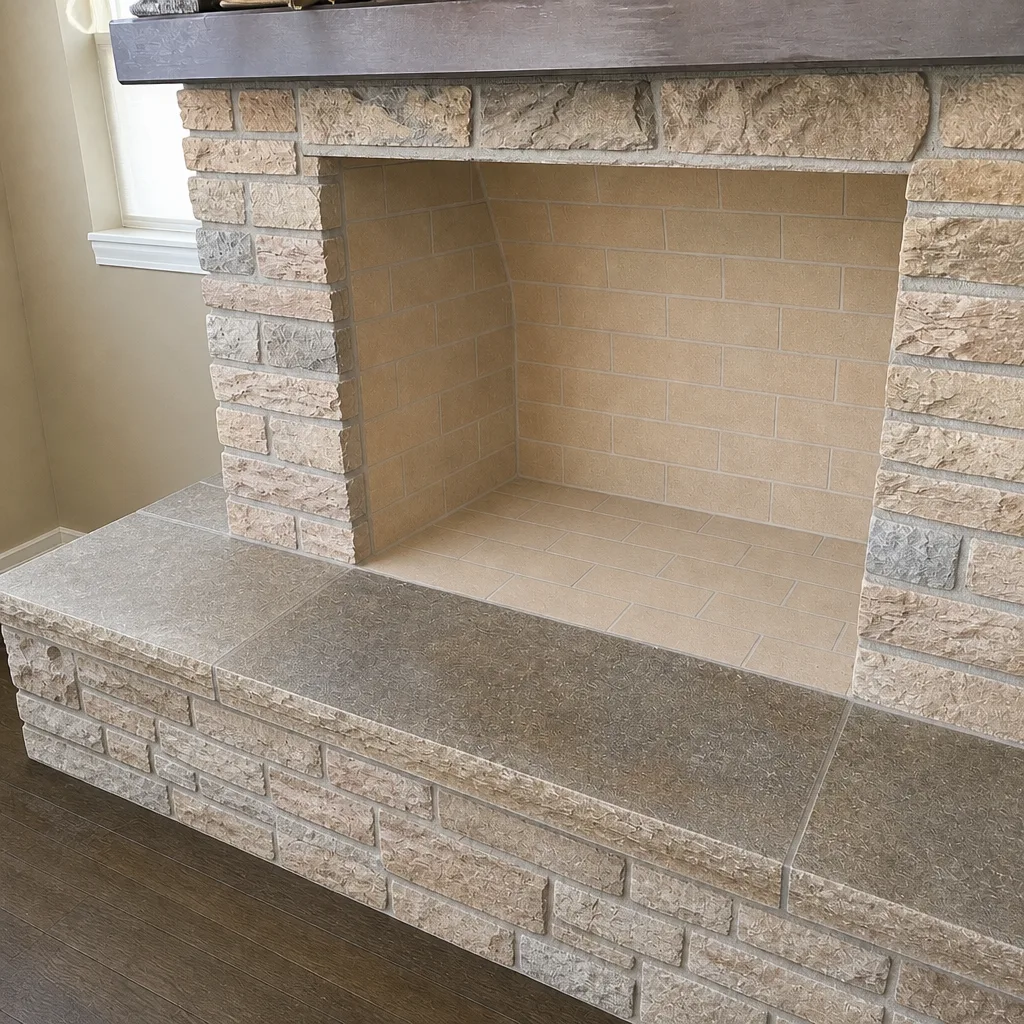
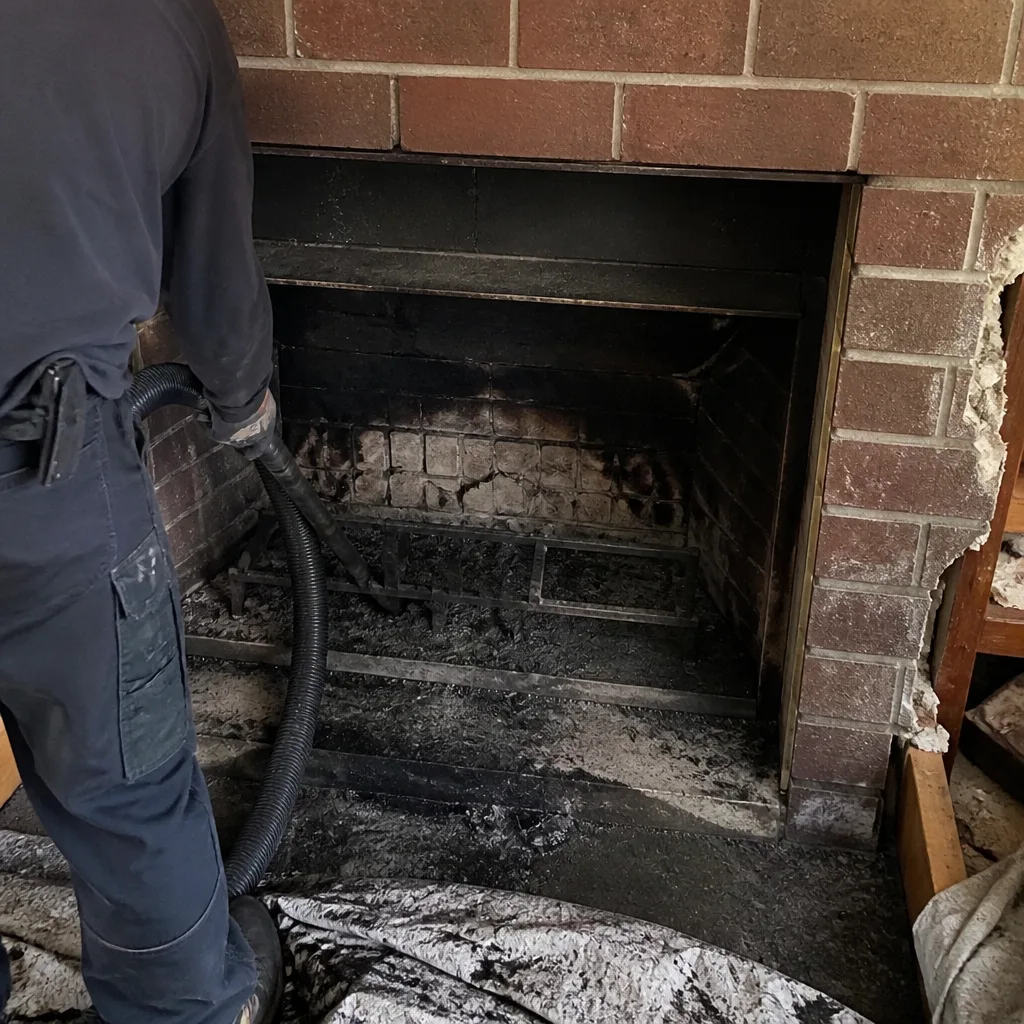
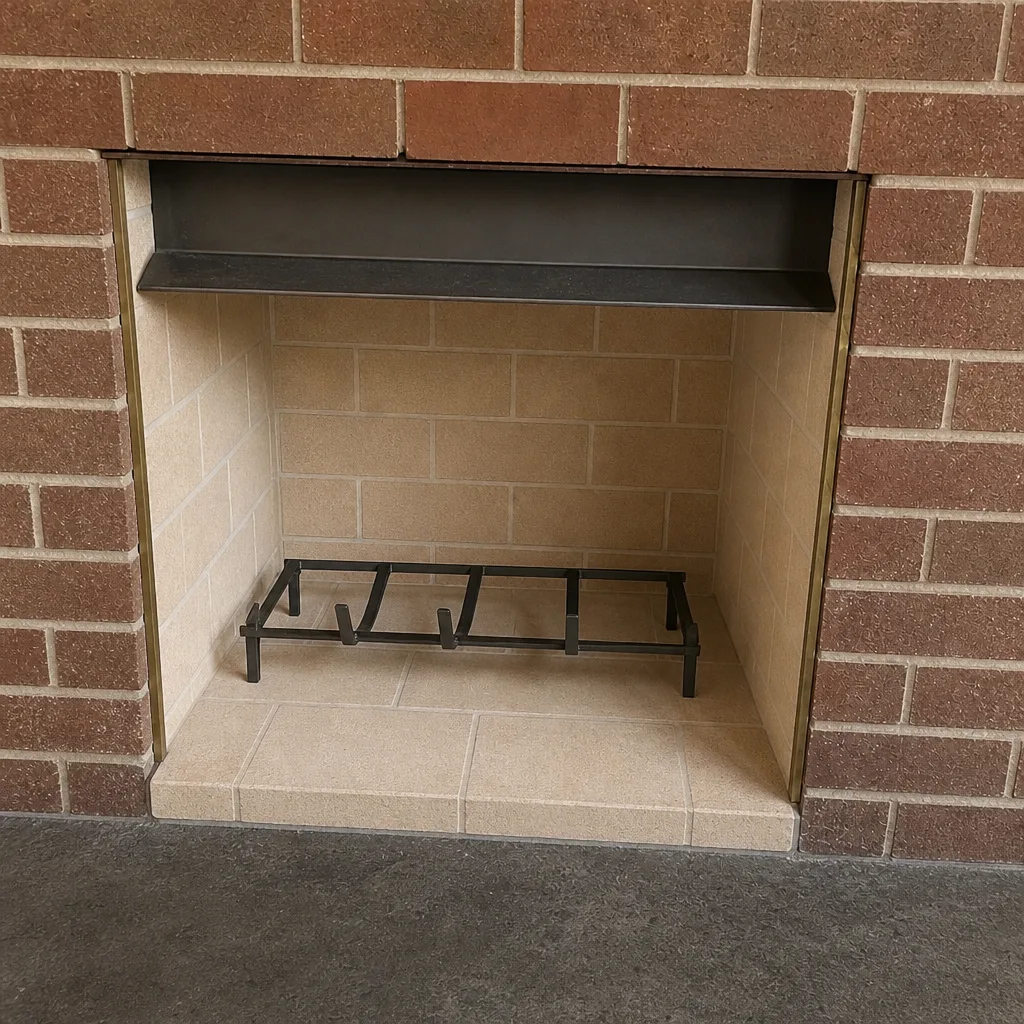
See the difference
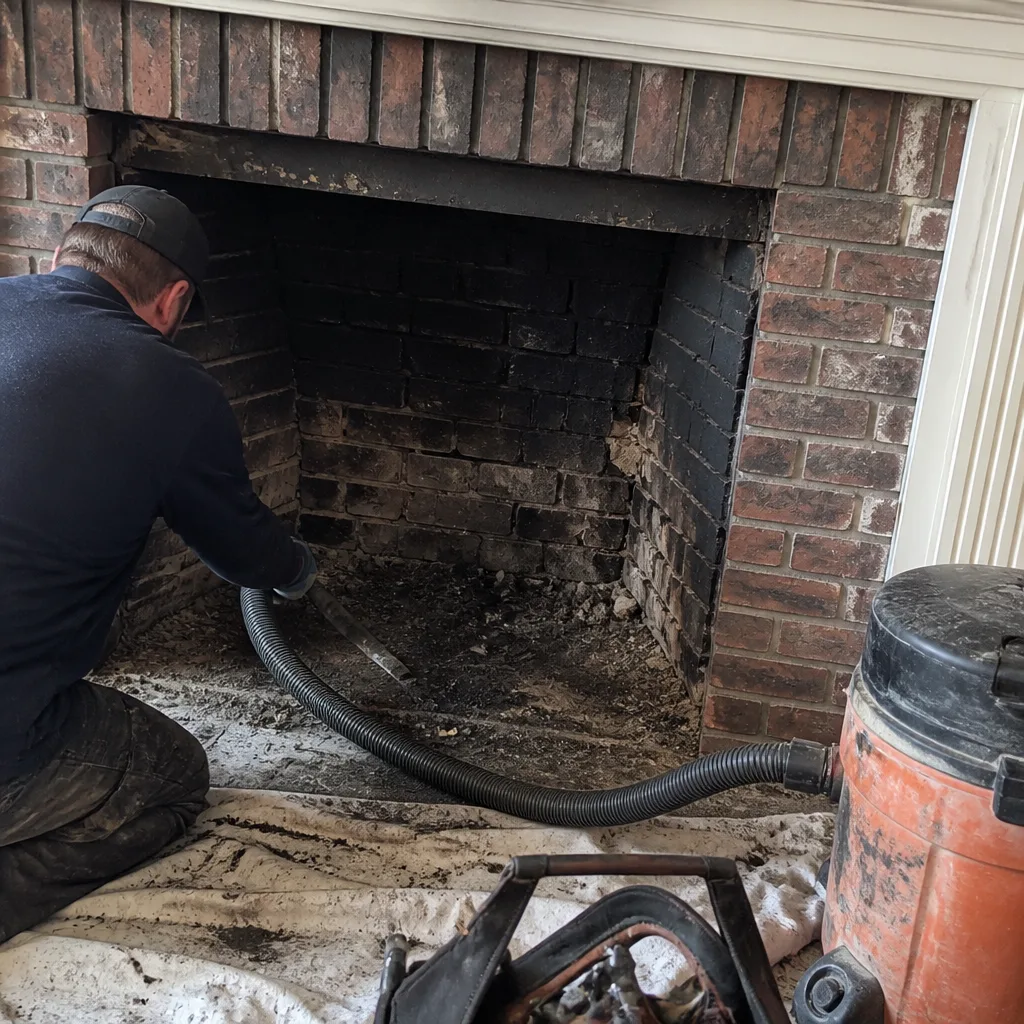 Before
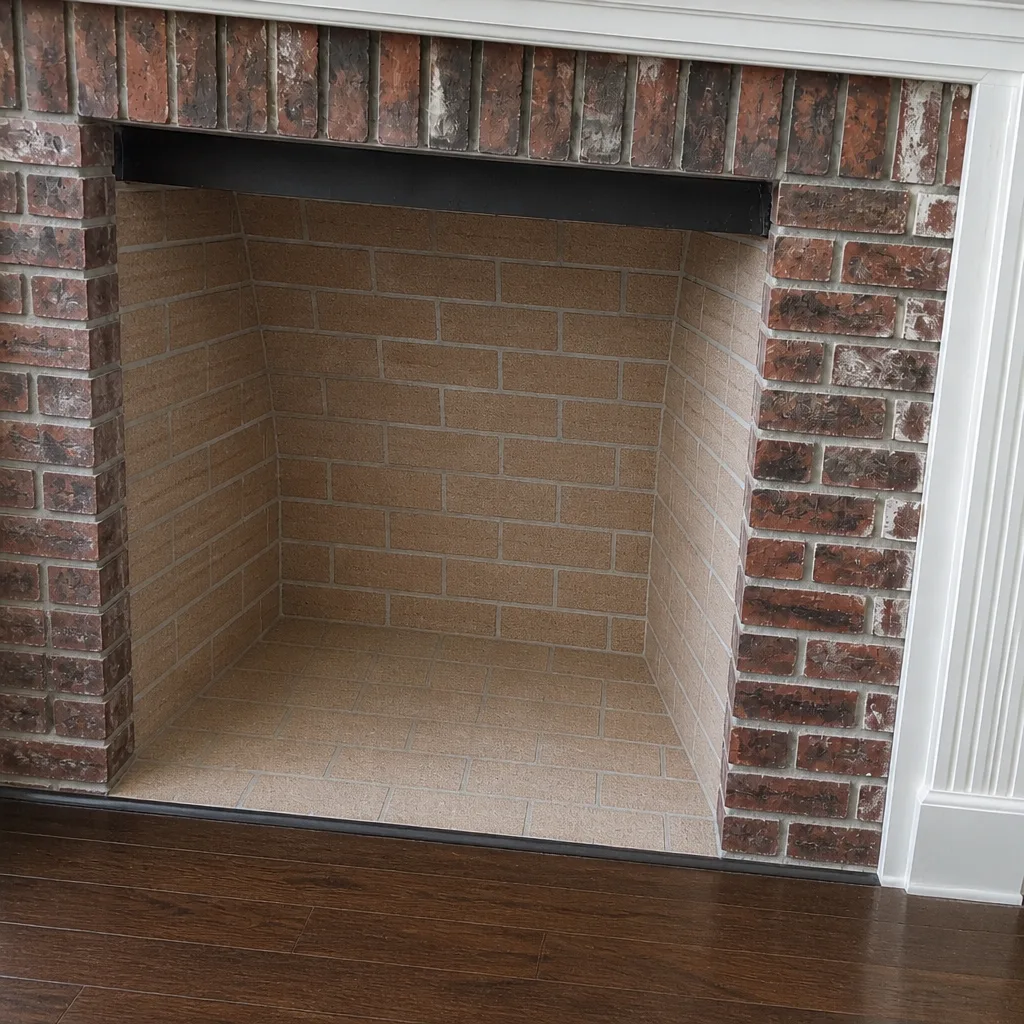 After
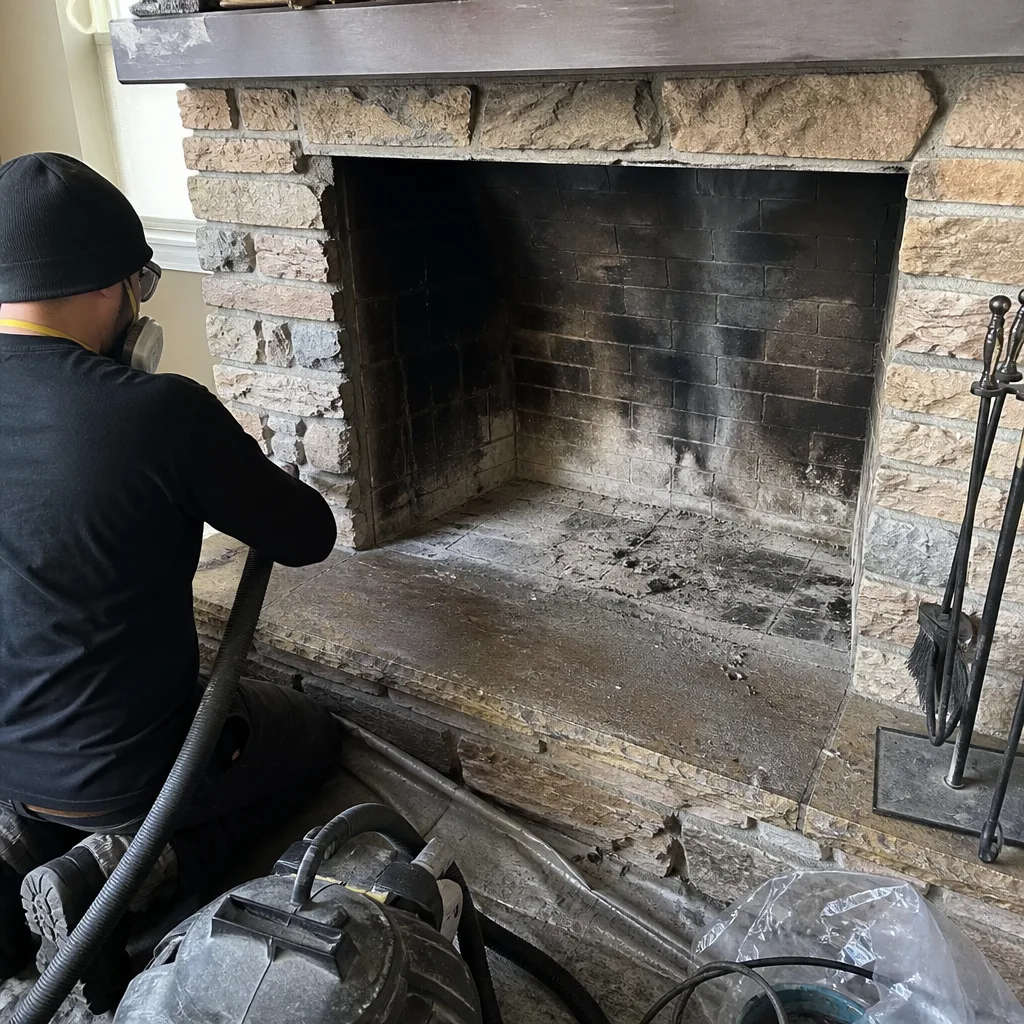 Before
 After
 Before
 After
When to Call a Professional
Call a chimney professional when any of these apply: smoke consistently enters the room when you burn; you smell gas or a strong chemical odor at a gas fireplace; the firebox refractory is cracked wide or loose; the flue tile has visible damage; you’ve had a chimney fire; the exterior shows heavy spalling or cap rust; or the chimney hasn’t been inspected since before you owned the home. Also call when you simply don’t know the creosote grade in your flue – that’s not something a homeowner can reliably judge from outside, and it’s the whole point of a camera inspection.
A professional should show you what they find before pricing work. We include camera inspection and a photo report with every job and give a flat written estimate agreed before booking. Chimney Sweep Federal Way offers free estimates in Federal Way – call (844) 625-7660. We answer 24/7. Fast dispatch from 7am to 7pm, Sunday through Friday.
Frequently Asked Questions
The earliest reliable signs are a smoky or acrid smell from the fireplace in warm weather, a weak draft that lets smoke roll into the room when you light a fire, and visible soot or glazed creosote on the flue walls. Soot and creosote grade are the ones that matter most for safety, and they’re the ones you can’t judge from outside. Call (844) 625-7660 for an inspection – estimates are free.
It depends on how often you burn: a fireplace used most evenings through the heating season needs an annual sweep, while a fireplace used a handful of times a year may go several seasons between sweeps. In Federal Way, the wet climate makes water intrusion the bigger risk on a lightly used chimney, so annual inspection is worth keeping even in lighter-use years. Call (844) 625-7660 for an exact assessment.
A smoky smell in summer is usually creosote odor pushed down by a reversed draft when the outside air is warmer than the flue, and it’s not itself an emergency. It is a sign of creosote buildup heavy enough to hold odor, which means the flue is overdue for a sweep. If you also see shiny glazed creosote, that’s stage 3 buildup, and it’s a stop-using situation. Call (844) 625-7660 to get it inspected – estimates are free.
White chalky staining is efflorescence – salt pushed to the surface as water moves through the masonry and evaporates. It’s harmless in light amounts but signals ongoing moisture, which in Federal Way’s climate is worth chasing down because it leads to spalling. The common sources are a failing crown, missing or rusted cap, or open mortar joints. Call (844) 625-7660 and we’ll inspect the cap and crown along with the flue.
Not always. If the flue tile is deteriorating but structurally sound, HeatShield ceramic restoration can resurface it without full relining, when the system qualifies. A full liner – we use DuraFlex flexible systems for the offset and aged flues that rigid liners can’t handle – is the right answer when the tile is cracked, shifted, or beyond restoration. You should never be pushed into a liner without seeing the photo evidence first. Call (844) 625-7660 to find out which case is yours.
Creosote accumulates every fire, and at stage 3 it’s glazed and highly combustible – the main cause of chimney fires. Skip it long enough and the risk shifts from a dirty flue to a chimney fire that can crack flue tile and open a path for fire into the structure. A cracked or damaged flue also lets carbon monoxide travel into the living space. Call (844) 625-7660 for a sweep and inspection – estimates are free.
The Bottom Line
Chimney warning signs are a language, and most homeowners misread them because no one has translated the specific ones: a summer creosote smell means buildup, a musty smell after rain means water, white staining means moisture in the masonry, and smoke rollover usually means a draft problem you can’t sweep away. Sort what you notice into monitor-and-schedule or stop-using-now. The stop-using list is short: continuous smoke into the room, gas smell, glazed creosote, cracked refractory, damaged flue tile, or a past chimney fire. Everything else can be scheduled. Refer to our Chimney Sweep Federal Way pages for the service that matches what you’ve found, and remember that the schedule you’ve been keeping never overrides a warning sign you can see.
When you’re ready for someone to look at it, we include camera inspection and photo report with every job, use the same professional-grade brands professionals specify – DuraFlex, HeatShield, Gelco, Olympia Chimney, Famco, and Copperfield – and cover the whole system under one roof: sweeping, inspection, fireplace repair, chimney repair, and cap and crown. We tell you what we find, show you why it matters, and fix it with materials built for the job. Call (844) 625-7660 for a free estimate. We answer 24/7. Fast dispatch from 7am to 7pm, Sunday through Friday.
Written by the team at Chimney Sweep Federal Way.