
Last updated November 24, 2026
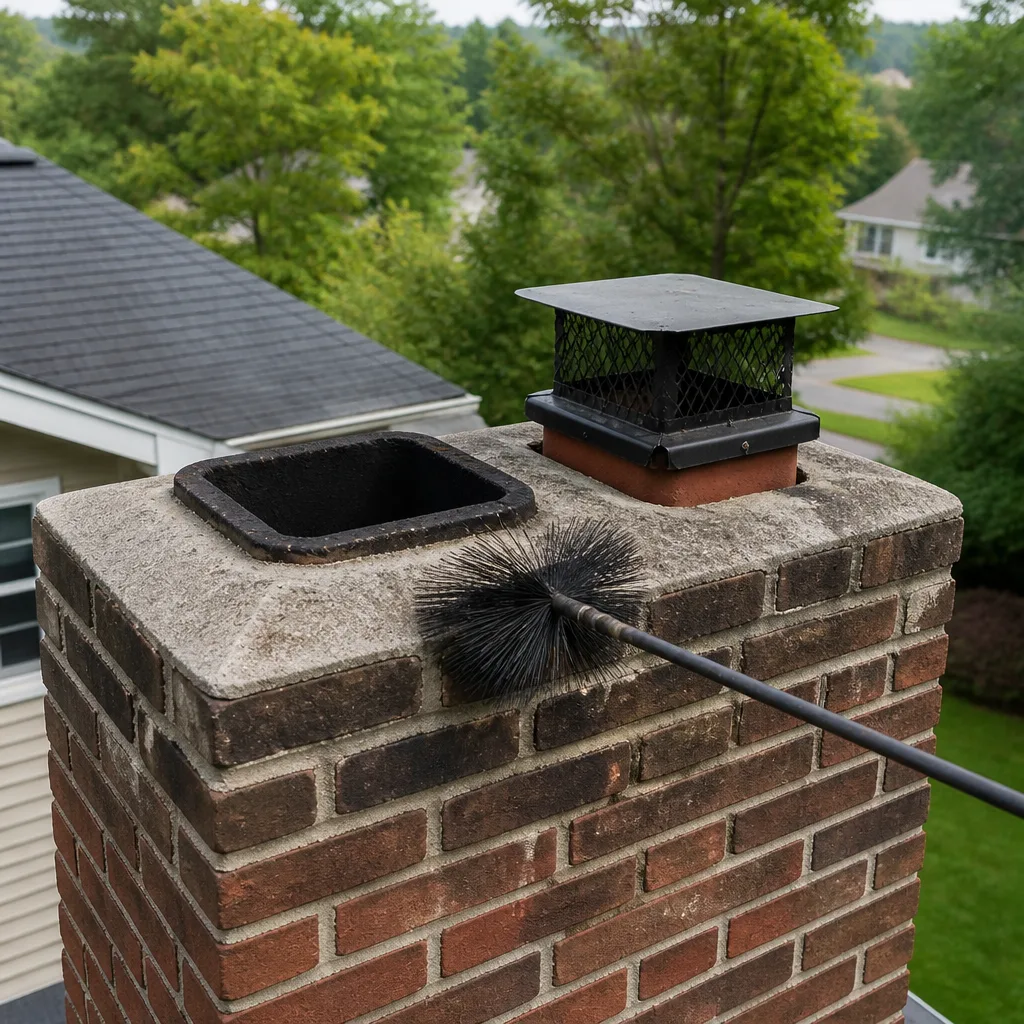 Sweep & inspection
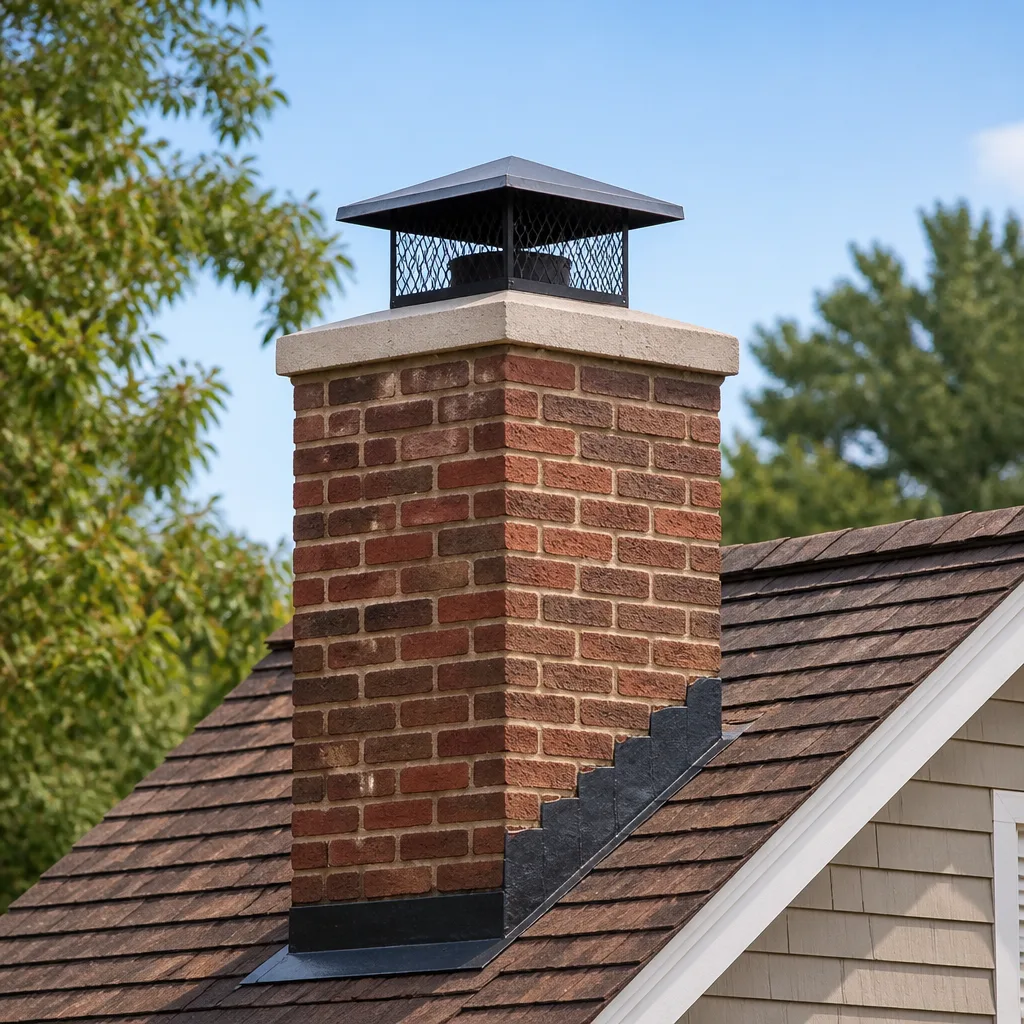 Caps & crowns
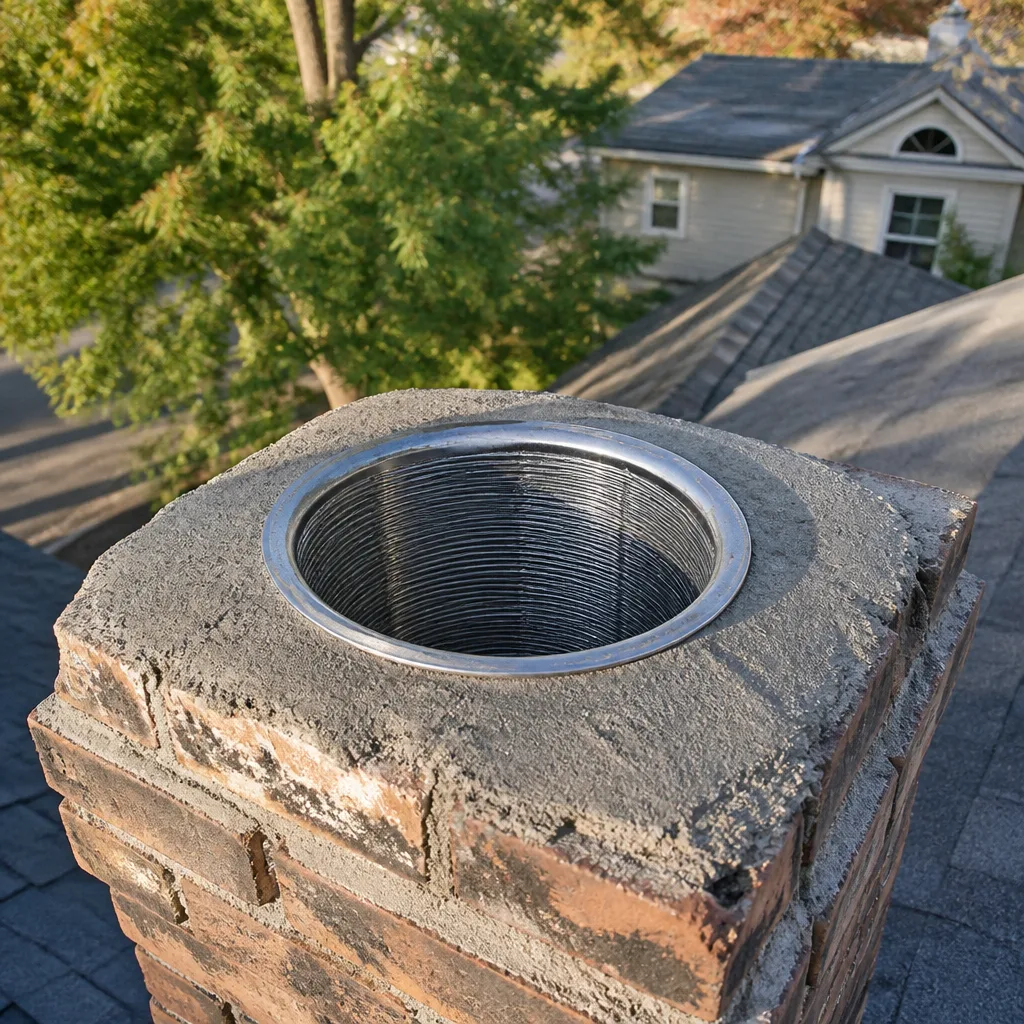 Flue relining
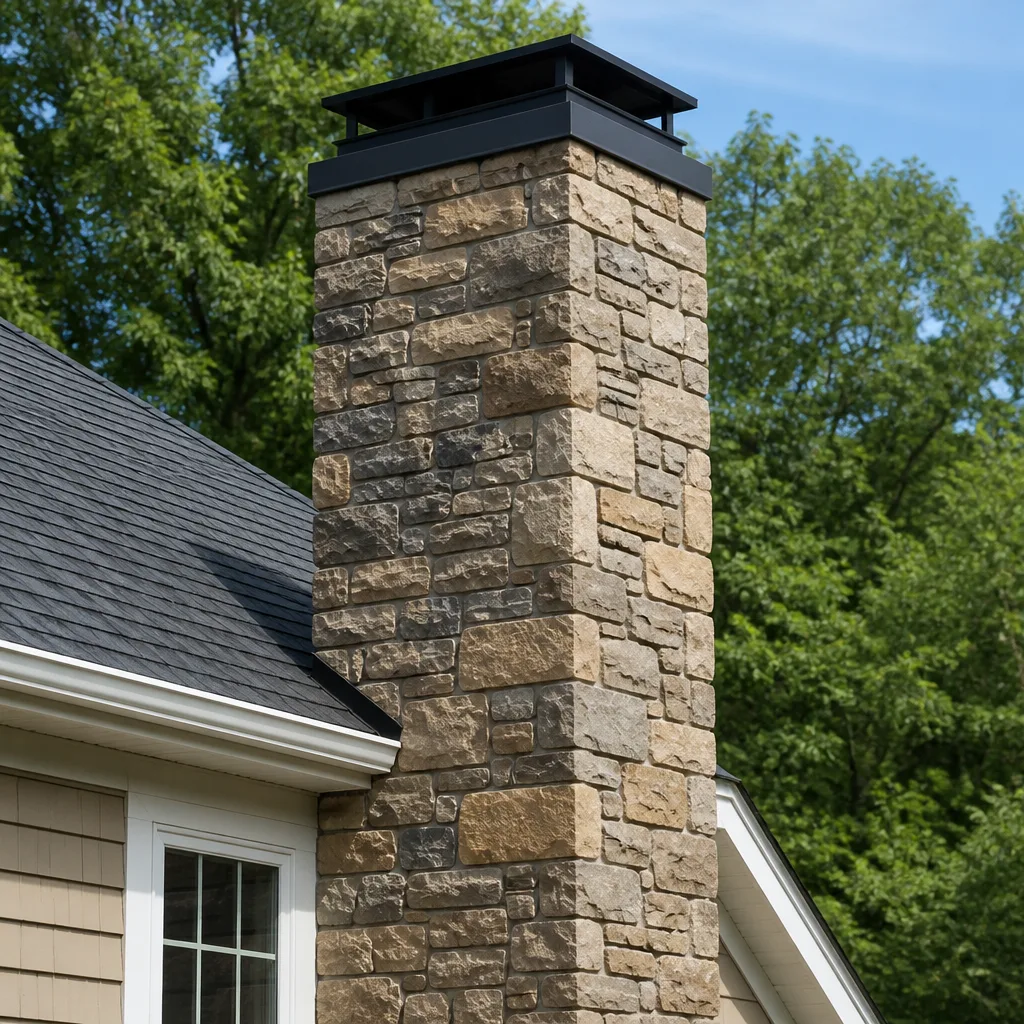 Masonry repair
 Gas fireplace service
Level 1 sweep and inspection to the NFPA 211 annual standard - flue, crown, cap, and flashing checked and photographed
Chimney sweep logs do not sweep chimneys. They loosen some creosote - which then falls where a brush and vacuum still have to collect it.
Chimney Cleaning Emergency Preparedness Guide for Federal Way Homes
A chimney fire doesn’t always sound like a roaring inferno. Many run at low intensity, produce little visible smoke, and go undetected until the next fire in the firebox exposes a cracked flue tile or a warped liner. That gap between the event and the discovery is where the real danger lives, because a damaged flue is a carbon monoxide pathway long before it’s a visible problem. This guide covers what to watch for, what to do during an active chimney fire, and what to have in place before burning season starts in Federal Way. We’ll walk through signs, in-the-moment decisions, post-fire rules, and the preparation list most homeowners never think to assemble.
Quick Answer
If you suspect a chimney fire, get everyone out of the house, call 911, and don’t use the fireplace again until a Level 2 inspection with a camera confirms the flue is intact. For Federal Way homes, the preparation step that matters most is an annual inspection before burning season, a current inspection record for insurance, and a posted emergency contact list that includes 911 and your sweep. We answer 24/7 at (844) 625-7660. Fast dispatch from 7am to 7pm, Sunday through Friday.
Styles & brands we work with
- Sweep & inspection
- Caps & crowns
- Flue relining
- Masonry repair
- Gas fireplace service
Table of Contents
- How do you know it’s a chimney fire? Signs, sounds, and smells
- What do you do during a chimney fire before the fire department arrives?
- Why a cracked liner or blocked flue can produce carbon monoxide without smoke
- What has to happen after a chimney fire? The Level 2 inspection rule
- What should you have ready before burning season in Federal Way?
- How does a sudden blockage present, and when is it an emergency?
- How does Federal Way weather shape chimney risk?
- What detection equipment belongs in a chimney-first home?
How do you know it’s a chimney fire? Signs, sounds, and smells
Chimney fires range from the obvious to the nearly invisible, and the subtle ones do the most damage over time. A full-involvement fire announces itself. A slow, smoldering fire in a creosote-glazed flue can burn for a while with nothing more than a dull roar and an odd smell. Knowing both signatures is the first piece of preparedness.
From inside the home, these are the indicators:
- A low, rumbling sound that resembles a distant freight train or a deep roar from the chimney chase.
- Clicking or tapping noises from the flue, often described as a metallic popping.
- Dense, dark smoke coming back into the room from the firebox or draft hood despite an open damper.
- An unusually hot chimney breast, or heat radiating from the surrounding wall.
- A sharp, acrid smell that lingers after the fire is out and doesn’t clear with ventilation.
From outside, look for these signs:
- Flames or sparks visibly emerging from the top of the chimney.
- Thick, billowing smoke that continues after the fire is burning low or has been extinguished.
- Puffy, dark creosote flakes or honeycomb-textured creosote on the roof or ground near the chimney top.
- Warped or discolored chimney caps, or a heat-distorted metal chase cover.
If the fire is already visible at the cap, call 911 and evacuate. If the signs are subtle, treat them as a suspected fire and follow the same steps. In our experience, the calls that turn out to be low-intensity chimney fires almost always come after a homeowner notices a smell or a sound days or weeks before, when the fire was active. That lag is why an annual chimney sweep matters beyond cleaning itself; the camera and visual inspection catches what the fire already did.
What do you do during a chimney fire before the fire department arrives?
The sequence matters more than any single step. Priority one is people. Priority two is limiting oxygen to the fire. Priority three is documenting what happened for the fire department and your insurer.
Follow this order:
- Get everyone out of the house, including pets. Move to a safe distance from the structure. Don’t stop to gather belongings.
- Call 911 from outside the home. Tell the dispatcher you suspect an active chimney fire and give the address and any visible signs from the exterior.
- If the fire is contained and you’re still inside, close the firebox glass doors if the fireplace has them. This limits oxygen to the firebox without blocking the smoke path up the flue.
- Close the damper if you can reach it safely. A closed damper starves the fire of draft air, which can cool the fire and slow it until the fire department arrives.
- If you have a chimney fire extinguisher or a dry chemical extinguisher rated for the firebox, you can use it through the firebox opening. Never throw water into a hot firebox or onto the chimney.
- Don’t close the damper if doing so pushes smoke back into the room. In that case, keep the firebox doors closed and leave the room.
- Once outside, don’t re-enter for any reason. Wait for the fire department to clear the structure.
The damper/glass-door combination is the one decision that goes against most homeowners’ instinct. Smoke in the room tempts people to open windows and doors for ventilation, which feeds air to the fire. Keep the room sealed if you can and get out. A Federal Way home with a hearth in a living area, common in many of the older homes around Mirror Lake and the Redondo area, has more fuel inside the room than a basement fireplace, so the priority is speed.
One more thing before you leave: if the room fills with smoke and you have trouble breathing, treat it as a carbon monoxide event, not just a smoke event. Smoke rises and vents up the flue, but CO is odorless and can move through a cracked liner into the house structure regardless of where the smoke is going.
Why a cracked liner or blocked flue can produce carbon monoxide without smoke
Carbon monoxide from a fireplace is a function of incomplete combustion and a breach in the exhaust path. The flue is a chimney’s exhaust pipe. When it’s intact, combustion gases leave through the cap. When it’s cracked, spalled, or blocked, those gases find their way into wall cavities, attic spaces, or the room itself without any visible smoke as a warning.
Three specific failure modes cause this:
- Cracked or spalled flue tile. A chimney fire, or the slow thermal cycling of hundreds of fires over years, can fracture the inner face of a clay tile. The tiles are meant to carry exhaust on the inside and isolate heat on the outside, but a fracture creates a breach. Exhaust exits into the chimney chase rather than out the top. A breach isn’t always visible from the firebox.
- Blocked flue. A bird nest, a collapsed tile, excessive creosote, or a broken cap can narrow the flue enough that exhaust backs up into the room. This produces the “smoky fireplace” the homeowner thinks is just a draft issue. It’s often not.
- Inadequate draft. Modern tightly built homes in newer Federal Way subdivisions near Federal Way High School or along Pacific Highway South can be draft-starved. The fireplace pulls air from wherever it can, including from the furnace flue or back through the house. That’s a house-air quality issue, not just a fireplace performance issue.
The reason CO can appear with no flame and no smoke is that CO comes from incomplete burning, not from an active fire only. A smoldering log at the end of a burn, or a furnace running at the same time as a compromised fireplace flue, can backdraft CO into the home. Standard smoke detectors don’t see it. CO detectors do, and a CO detector on every floor and near each sleeping area is a baseline for any Federal Way home with a fireplace or a gas appliance.
If your CO detector sounds and you have a fireplace, shut the appliance down, ventilate (with caution around a live fire), leave the home, and call 911 first, then your gas utility. No chimney inspection happens until that’s cleared. If the CO reading turns out to be from a fireplace or flue issue, a Level 2 inspection with a camera is the first step to identify the breach. HeatShield ceramic resurfacing is often the repair path if the flue is structurally sound but the inner face is failing. Our technicians have up to 8 years of experience reading exactly this kind of damage with a camera in the flue.
What has to happen after a chimney fire? The Level 2 inspection rule
You don’t use the fireplace after a chimney fire until a Level 2 inspection with a camera has been completed. This is a hard rule. The fire department will clear the structure for occupancy, not for future fires. Those are two different questions.
A Level 2 inspection is the recognized inspection level that goes beyond a visual look at the firebox and damper. It includes a camera in the flue to see the inner face of the liner, the condition of the smoke chamber, and any offset or hidden chamber. A Level 1 inspection is a visual check of the readily accessible portions. A suspected chimney fire is specifically a Level 2 trigger.
What the Level 2 inspection should produce:
- Camera footage of the full flue length, recorded and available to you.
- A written assessment of liner condition, including any cracks, spalling, gaps, or debonded joints.
- A determination on the crown, cap, and chase cover, since a chimney fire can warp or crack the crown and cap.
- A clear verdict: safe to use, safe with a specified repair, or not safe to use at all.
- Documentation you can send to your insurer.
If the liner is damaged, the repair paths are either a HeatShield ceramic resurfacing (when the underlying tile is structurally stable and the inner face needs restoration) or a full reline with a flexible stainless system like DuraFlex. HeatShield resurfacing is the lower-disruption path when the system qualifies, and a qualified installer can tell you quickly whether it does. Relining with an Olympia Chimney or DuraFlex flexible liner is the appropriate path for an offset flue, a failed tile, or a flue that’s been compromised to the point of structural loss.
A chimney fire can also crack the crown at the top. That’s a separate failure from the flue, but a chimney fire is often the moment both problems surface together. A damaged crown lets water into the chimney structure, and water damage to brick and mortar runs through several freeze-thaw cycles before the homeowner notices. Federal Way winters cycle above and below freezing often enough that a cracked crown is a predictable failure point. The crown and cap get looked at in the same inspection.
What should you have ready before burning season in Federal Way?
Emergency preparedness around a chimney is mostly front-loaded. The work you do in August and September is what determines whether a January event is a routine problem or a crisis. These are the items we’d put in place for any Federal Way home with a wood-burning fireplace or insert.
Put this together before the first fire of the season:
- Your last inspection report. Find it. If you don’t have one, that’s the first job of the fall. Your insurer will ask for the date of the last inspection and the result. Keep a photo of the report cover page on your phone.
- Chimney Safety Institute emergency line. The Chimney Safety Institute maintains a resource line and searchable directory of certified sweeps. Save it to your contacts.
- Federal Way Fire Department non-emergency contact. Save the non-emergency number alongside 911 so you can ask questions about permitting, burn restrictions, or follow-up after an incident without tying up the emergency line.
- Your sweep’s dispatch number. Ours is (844) 625-7660. We answer 24/7. A call outside dispatch hours is booked into the next opening, Sunday through Friday, 7am to 7pm.
- Kitchen-rated or Class A fire extinguisher near the hearth, rated for the firebox if you choose to keep one there.
- CO detectors on each floor and near sleeping areas, tested monthly.
- A documented floor plan of the chimney chase, cap location, and any appliance flues. This is what the fire department and the sweep both need if something happens.
A chimney cap is a preparation item, not just a repair item. The two most common entry points for water damage to a chimney are the cap and the crown, and both degrade over time. Gelco and Famco caps are made for the specific flue size and termination requirements of each chimney, so a cap that fits is a cap that works. A generic cap that sits loose on the flue is a water path and a wildlife path. When we install a cap, it becomes part of the system we inspect each year. Same with the crown: a cracked crown is a standing invitation to water damage, and it’s inexpensive to address before it becomes a rebuild of the chimney top.
How does a sudden blockage present, and when is it an emergency?
A sudden blockage is the second most common chimney emergency after a fire, and it’s more common in Federal Way in fall and spring when birds, squirrels, and raccoons are active on the roof. The flue goes from working to not working without any change in the fireplace itself.
Signs that the flue is blocked:
- Smoke that enters the room when the fire burns, especially at start-up or when a log shifts.
- A fireplace that starts fine and then begins to smoke ten or twenty minutes in as the flue warms.
- An odor that returns when the fireplace isn’t being used, often stale and creosote-like.
- A visible obstruction at the cap from the roof or from the ground with binoculars.
- No draft, or air coming down the flue instead of up.
A blockage becomes an emergency when there’s smoke backing into the living space at scale, when a CO detector is sounding, or when there’s a visible flame above the cap. In those cases, treat it as a fire event. Otherwise, a partial blockage is a same-day or next-day service call, not a 911 call.
With a blocked flue, the fire keeps producing exhaust, and the exhaust keeps finding a way out. If the flue is blocked at the cap, that way out is usually into the room. That’s the setup for a CO event, and it’s why we push camera inspection on the initial visit for any home that reports repeated smoke episodes. The blockage is often not where you’d expect, and a Gelco or Olympia Chimney cap that’s been in place for a decade or more can be the source of the problem. A Famco replacement cap with a proper fit eliminates that particular failure mode.
If you’re not sure, treat it as a blockage until proven otherwise. Don’t build a fire to “test it.” Call and have the flue inspected first. Call (844) 625-7660. We answer 24/7. Fast dispatch from 7am to 7pm, Sunday through Friday.
How does Federal Way weather shape chimney risk?
Federal Way sits in a climate that cycles around freezing for much of the winter, with wet falls and springs that push a lot of moisture against the roof and chimney structure. That pattern has three practical consequences for chimney systems here.
- Freeze-thaw cycling stresses the crown and mortar. Water enters a hairline crack in the crown, freezes overnight, expands, and widens the crack. Do that for a few dozen cycles over the winter and a hairline crack becomes a visible one. A crown that looks fine in October may not look fine in March. This is the reason we look at the crown on every inspection, not just the flue.
- Wet wood burns cooler and creates more creosote. Wood stored outside and covered with a tarp can hold moisture longer here than in a drier climate. Cooler, damper burns create more creosote per cord. A chimney in Federal Way can build creosote faster than the same fireplace in a drier region, which is why the annual sweep cadence is worth keeping.
- Aging housing stock varies widely. Federal Way has homes from the mid-century era and homes built within the last decade, sometimes on the same street. A 1950s home near Mirror Lake may have a clay-tile flue with decades of thermal cycles and no current liner specification. A newer home in a recent subdivision may have a factory-built fireplace with a performance expectation that a compromised cap can undo. The inspection has to assess each system on its own terms.
The practical result: a Federal Way chimney system needs its annual inspection on time, and the crown and cap get the same attention as the flue. When the crown fails, the repair is a crown rebuild, which is a separate scope from a sweep and needs to be part of the same conversation. We scope it as part of the inspection so nothing gets handed off. chimney repair covers this work, and the camera evidence from the inspection is what justifies it.
What detection equipment belongs in a chimney-first home?
The detection question is simple but most homes miss one layer of it. Three detection layers cover a wood-burning fireplace or insert, and each catches a different failure.
- Photoelectric smoke alarms in each bedroom, outside each sleeping area, and on every level of the home. Photoelectric types respond faster to smoldering fires, which is the profile of a low-intensity chimney fire.
- CO alarms on each level and near each sleeping area. These are the only devices that catch a flue breach that isn’t producing smoke.
- A hearth-mounted thermometer on the stove pipe or flue collar if you have an insert or wood stove. It tells you when the flue is running hot, which is the warning sign that creosote is being ignited.
The thermometer deserves a specific note because it’s the one device that gives you a warning before a fire starts. Creosote ignites at temperatures well above normal operating range. A regular reading during burns shows the fire behavior that builds the creosote load, and a spike shows the ignition. A flue thermometer isn’t a substitute for an annual inspection, but it tells you when to shorten the interval between them.
Test each of these monthly and change the batteries on a fixed annual schedule. A CO alarm near a fireplace that has never gone off is not a sign the chimney is fine. It’s a sign the alarm is working on a system that hasn’t failed yet. The Chimney Sweep Federal Way team has walked homeowners through this exact setup for every type of fireplace and insert we see in the area. Our technicians have up to 8 years of experience with the detection side of the job, and we treat it as part of the inspection.
Common Mistakes to Avoid
- Using the fireplace after a suspected chimney fire. The fire department clears the structure for occupancy, not for fire. A camera inspection is the only way to know whether the liner survived. Skipping it and burning again is how a minor liner crack becomes a full reline.
- Testing for a blockage by lighting a fire. A blocked flue makes a small test fire into a room-smoke event or worse. Inspect first and burn later.
- Assuming no smoke means no CO risk. A cracked liner can leak CO through the chimney chase with zero visible smoke. The CO alarm is the only reliable warning. If you don’t have one, install one today.
- Opening windows for ventilation during a chimney fire. This feeds the fire. Close the firebox glass doors, close the damper if you can do so safely, and get out.
- Ignoring the crown and cap because the flue is clean. The flue can be spotless while the crown has a hairline crack taking water into the chimney structure. The Federal Way freeze-thaw cycles turn that crack into a rebuild within a winter or two.
- Skipping the inspection because the fireplace has a factory-built insert. A factory-built system has its own liner specification and its own failure modes. It still needs the inspection and still needs the camera if there’s any doubt about the liner.
- Burning wet or unseasoned wood to save money. The cooler burn creates more creosote per cord, so the sweep interval shortens. The math on this one doesn’t work out.
- Not documenting the last inspection for insurance. When an incident happens, the insurer will ask for the last inspection date and result. Finding that report mid-crisis is avoidable.
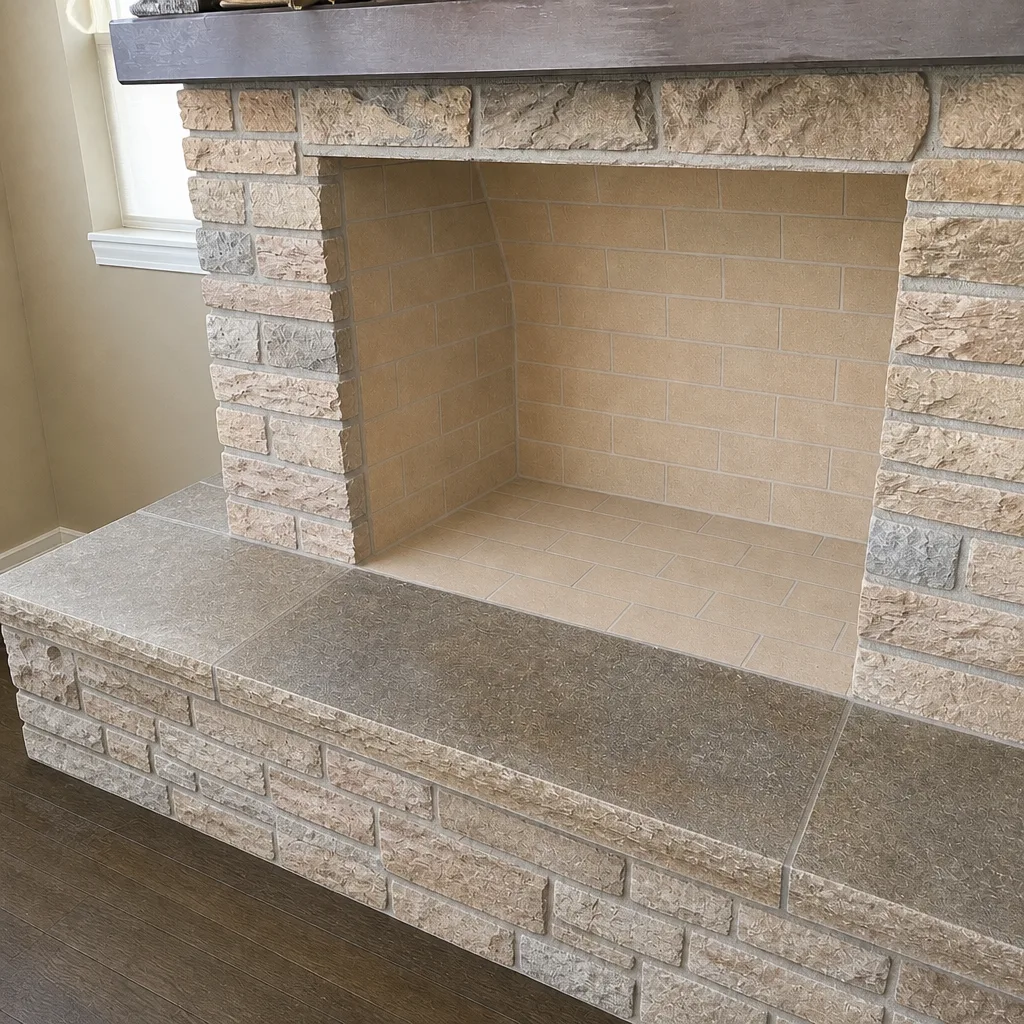
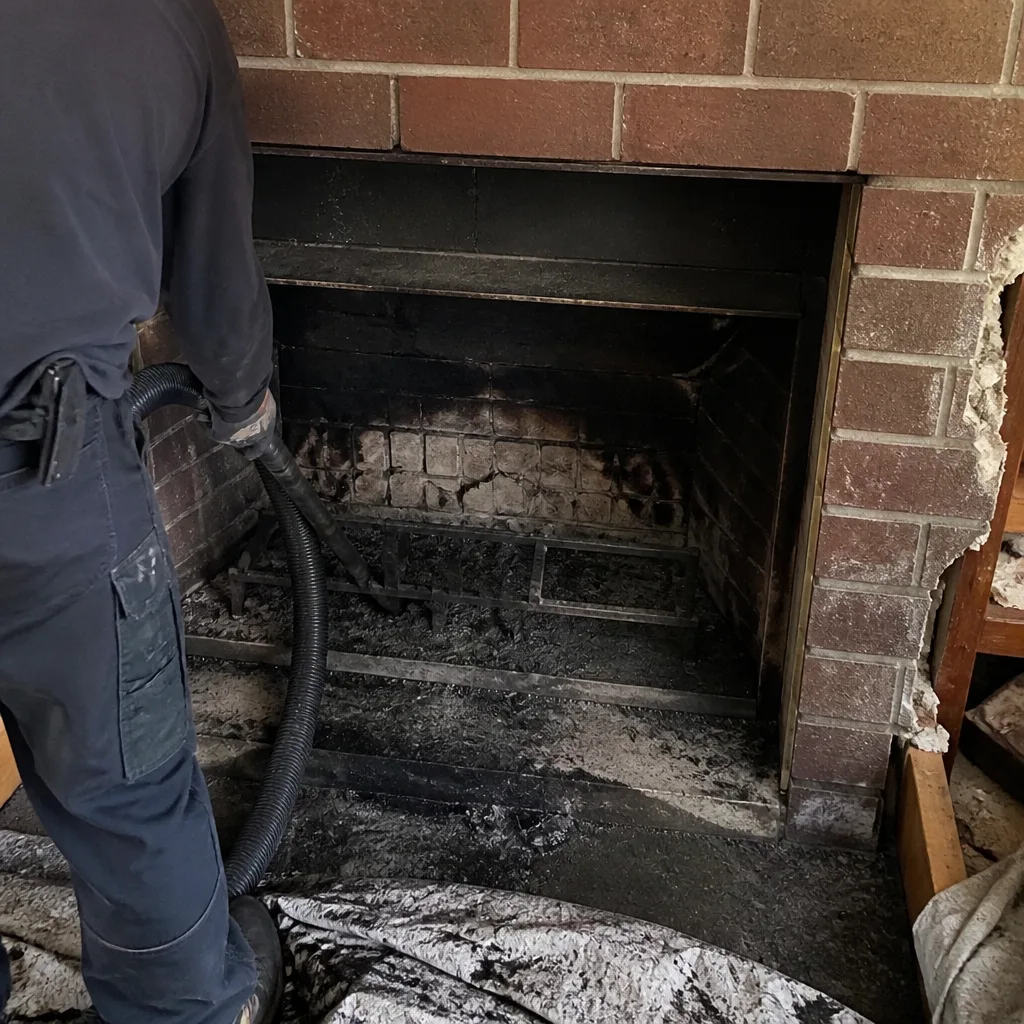
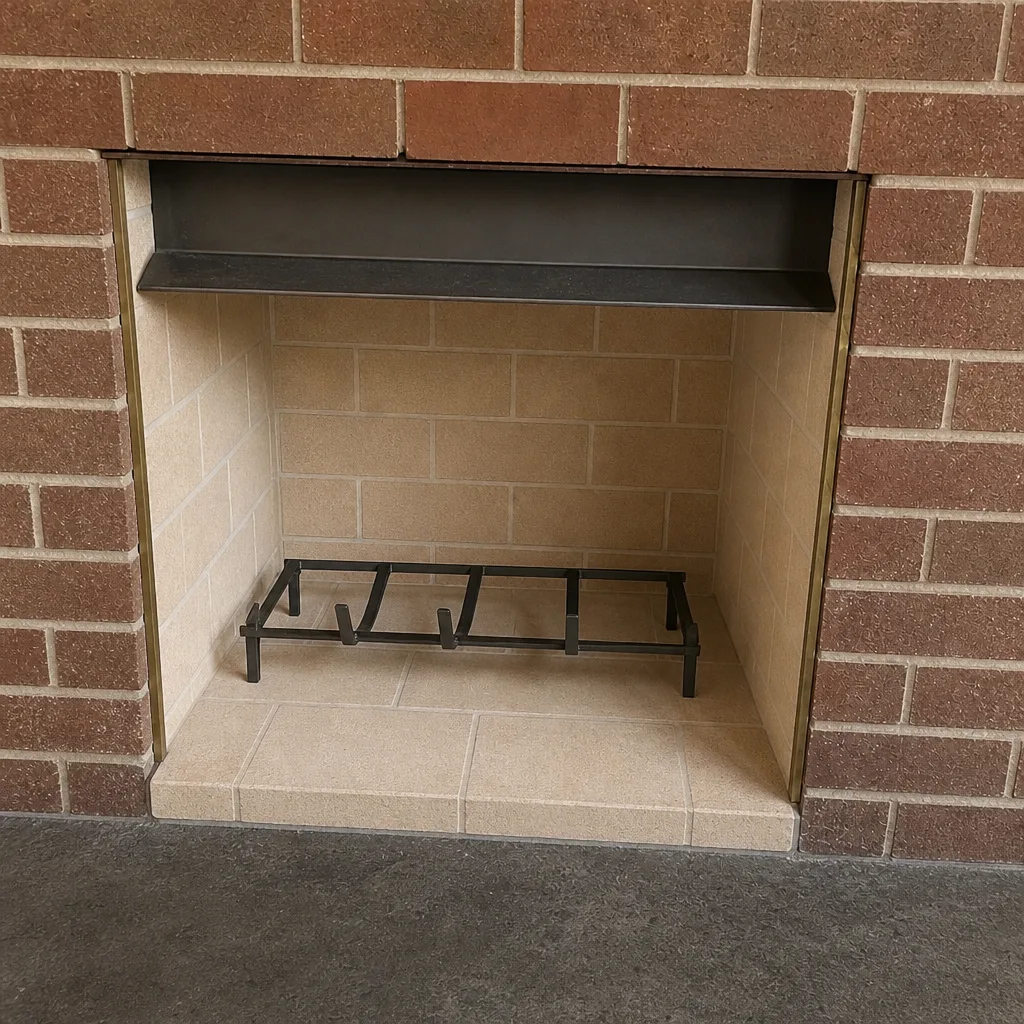
See the difference
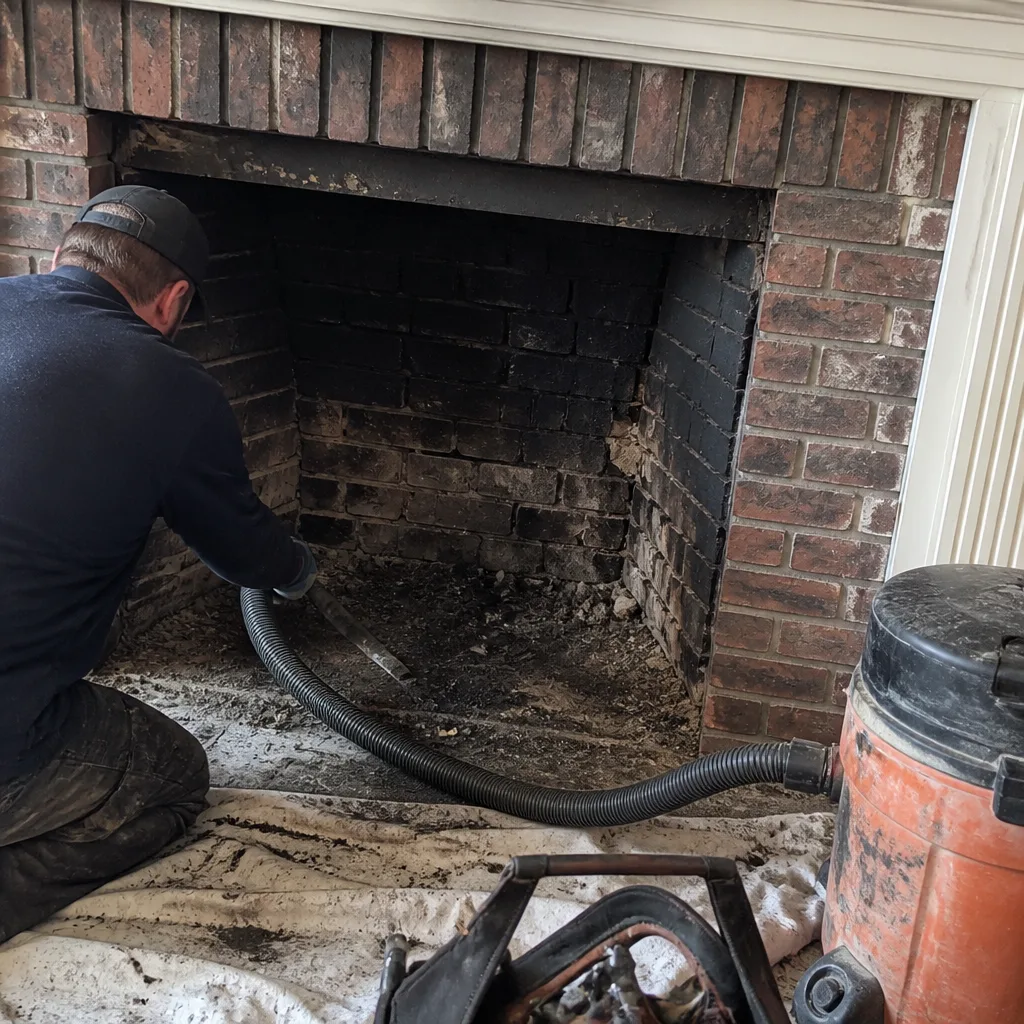 Before
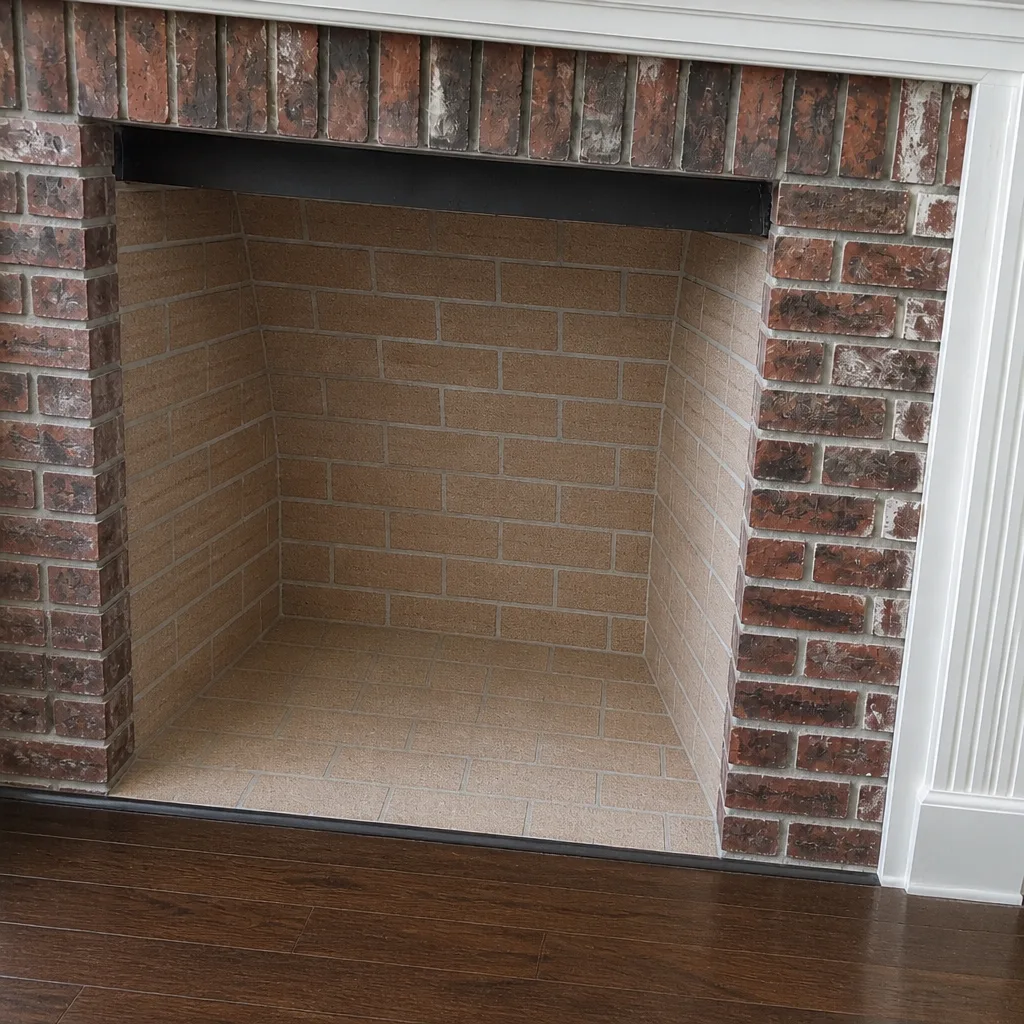 After
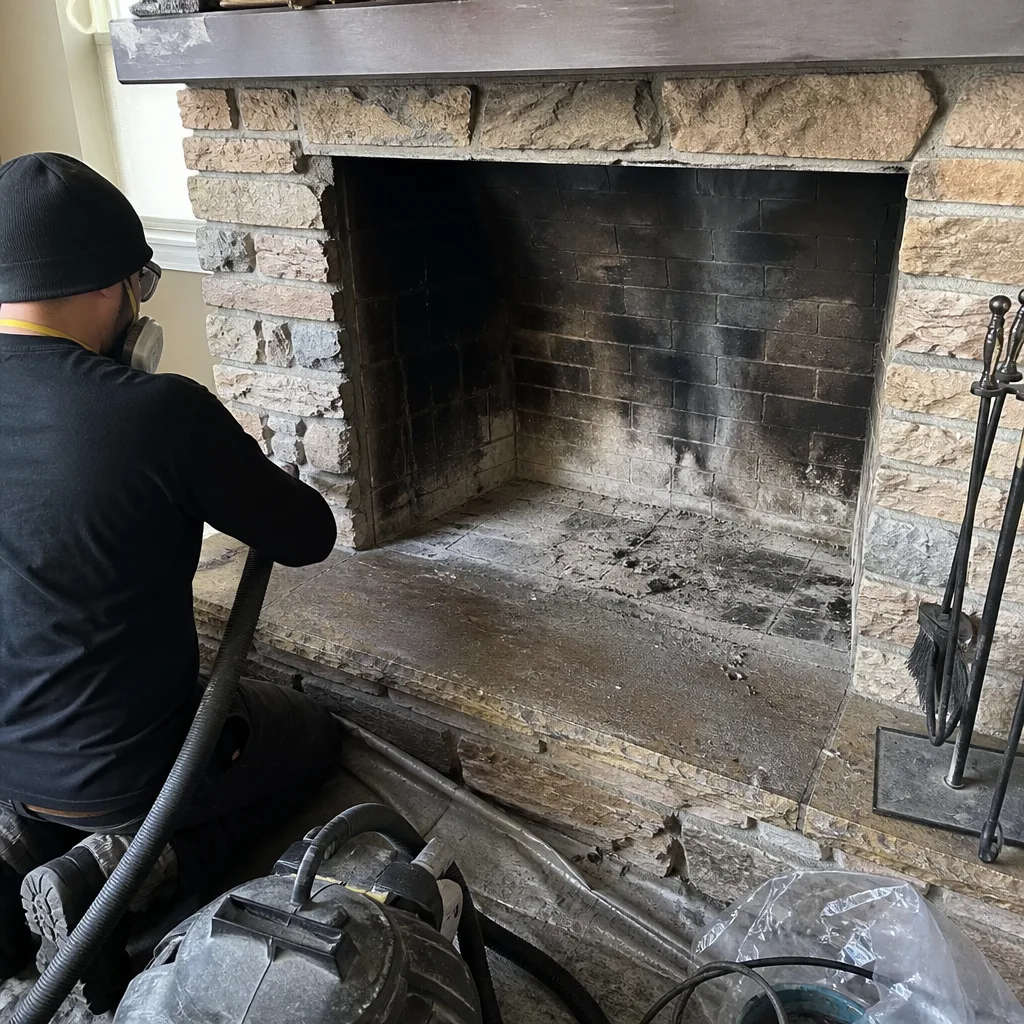 Before
 After
 Before
 After
When to Call a Professional
Call if you’ve had a suspected chimney fire, even if the fire appeared minor and even if the fire department already cleared the structure. A camera inspection is the only way to confirm the liner is intact. Call if you’ve noticed smoke backing into the room repeatedly, if you smell creosote inside the house between burns, if the cap or crown is visibly damaged, or if a CO detector has sounded in a home with a fireplace. Also call if you can’t find the record of your last inspection or if it’s been more than a year. The chimney fireplace repair side of the system gets checked in the same visit so the firebox and the flue are assessed together rather than in isolation. Chimney Sweep Federal Way offers free estimates in Federal Way. Call (844) 625-7660. We answer 24/7. Fast dispatch from 7am to 7pm, Sunday through Friday.
Frequently Asked Questions
A chimney sweep in Federal Way is priced per job by a written estimate once we’ve seen the system, and the estimate is free. The scope depends on the flue type, the creosote load, and whether the inspection finds a crown or cap issue that needs to be scoped separately. Call (844) 625-7660 for an exact quote. Estimates are free.
Signs include a low rumbling or metallic popping from the flue, an acrid smell that lingers after the fire, dense smoke backing into the room, heat radiating from the chimney chase, or puffy creosote flakes on the roof or ground near the cap. A faint event may leave no obvious trace. A camera inspection is the only reliable way to confirm. Call (844) 625-7660 to book an inspection. Estimates are free.
No. The fire department may clear the structure for occupancy, but you need a Level 2 inspection with a camera to confirm the liner is intact before the next fire. A damaged liner is a CO path even when there’s no visible smoke. Call (844) 625-7660 to schedule the post-fire inspection. We answer 24/7.
If the clay tile is structurally sound and the inner face is spalling or cracked, a HeatShield ceramic resurfacing can restore the flue without full relining. If the tile is fractured, offset, or has lost structural integrity, a flexible liner like DuraFlex or Olympia Chimney is the correct repair. The camera inspection determines which applies. Call (844) 625-7660 to book the inspection. Estimates are free.
Annual sweeping and inspection is the standard cadence, and Federal Way’s wet falls and freeze-thaw winters give no reason to stretch it. Homes that burn heavily, burn wet wood, or have an older clay-tile flue should stay on the annual schedule without exception. A flue thermometer can show you when creosote is building faster than usual. Call (844) 625-7660 to schedule. We’re closed Saturday; a call outside dispatch hours is booked into the next opening, Sunday through Friday, 7am to 7pm.
Creosote load keeps building, the crown cracks get wider with every freeze-thaw cycle, and a low-intensity chimney fire that already occurred leaves a liner crack you can’t see from the firebox. The risk isn’t hypothetical at that point; it’s a CO pathway and a fire pathway in the same flue. The inspection is the cheapest point to intervene. Call (844) 625-7660. Estimates are free.
The Bottom Line
Chimney emergencies follow predictable patterns, which means they’re mostly preparable. The low-intensity fire that leaves no obvious trace is the one that needs a camera inspection to find. A cracked liner is a CO pathway whether or not smoke shows up. The crown and cap are the entry points for the water damage that turns a repair into a rebuild after a Federal Way winter. And the timestamp on your last inspection is the number your insurer will ask for. Do the annual inspection on schedule, keep the inspection record on your phone, install the CO detectors, and post the emergency contacts. That’s the whole program. When something does happen, call (844) 625-7660. The estimate is free, and the written scope sets the price before any work begins.
Written by the team at Chimney Sweep Federal Way.