
Last updated November 24, 2026
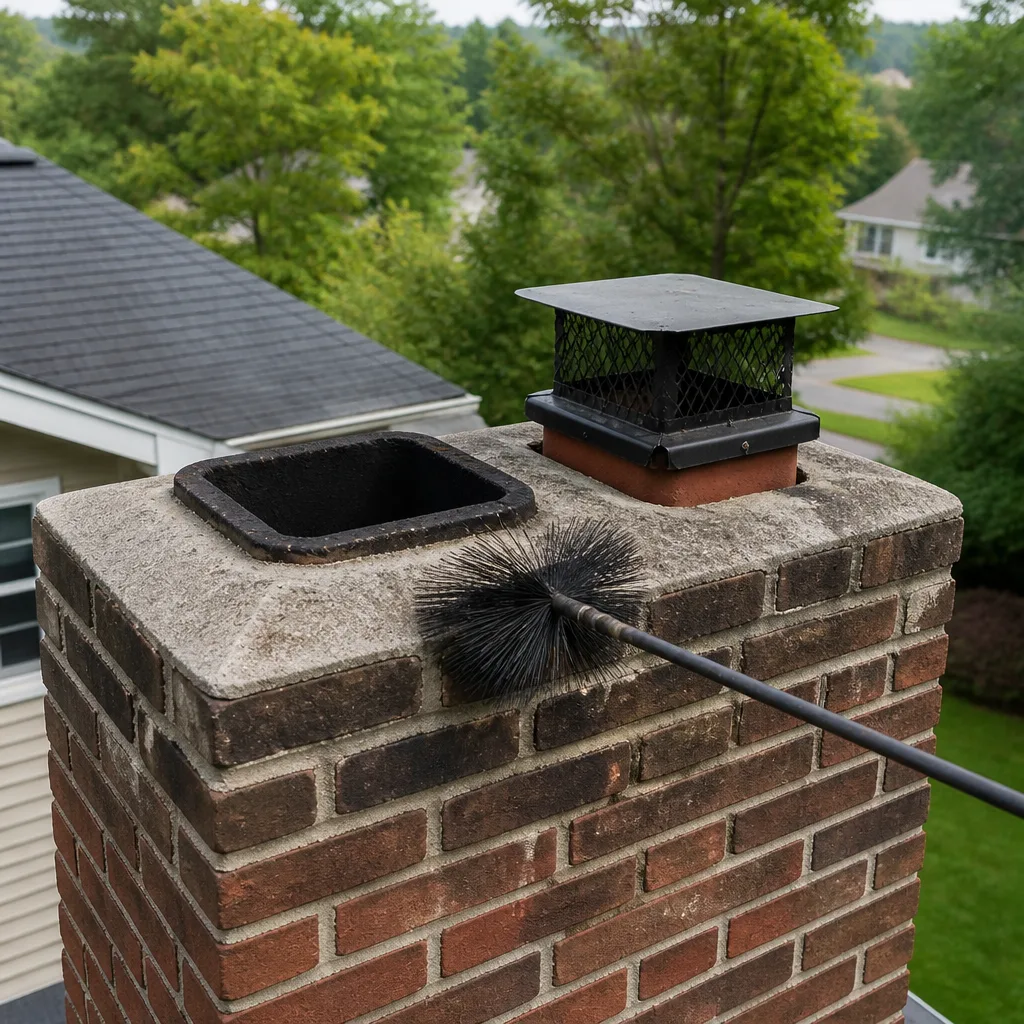 Sweep & inspection
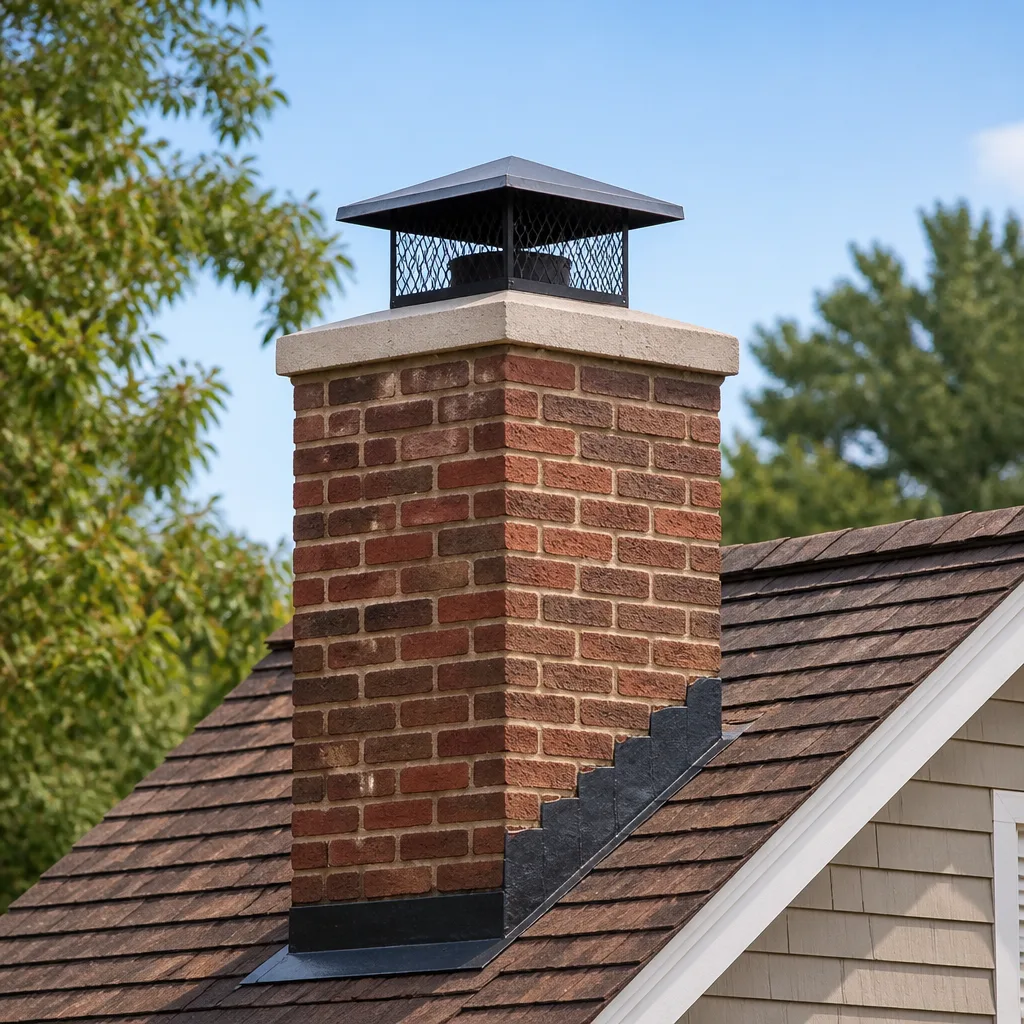 Caps & crowns
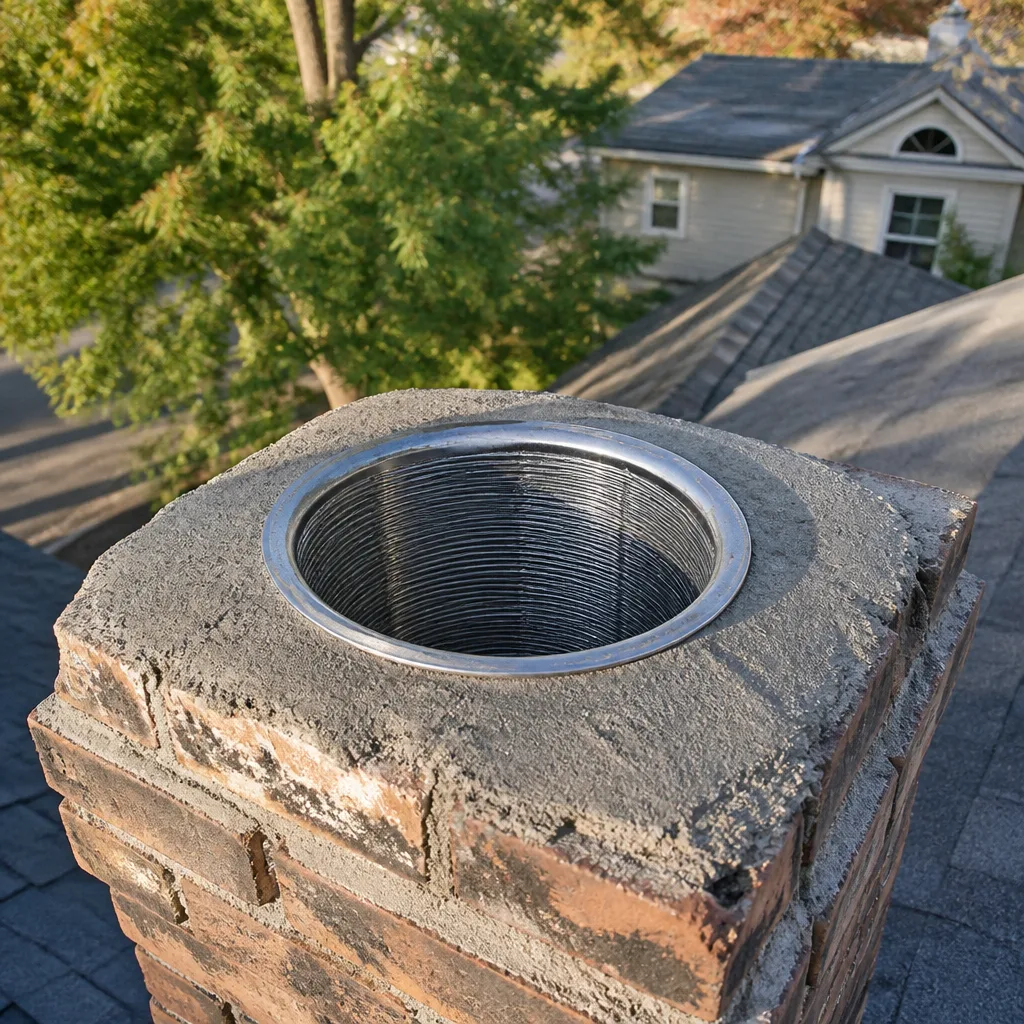 Flue relining
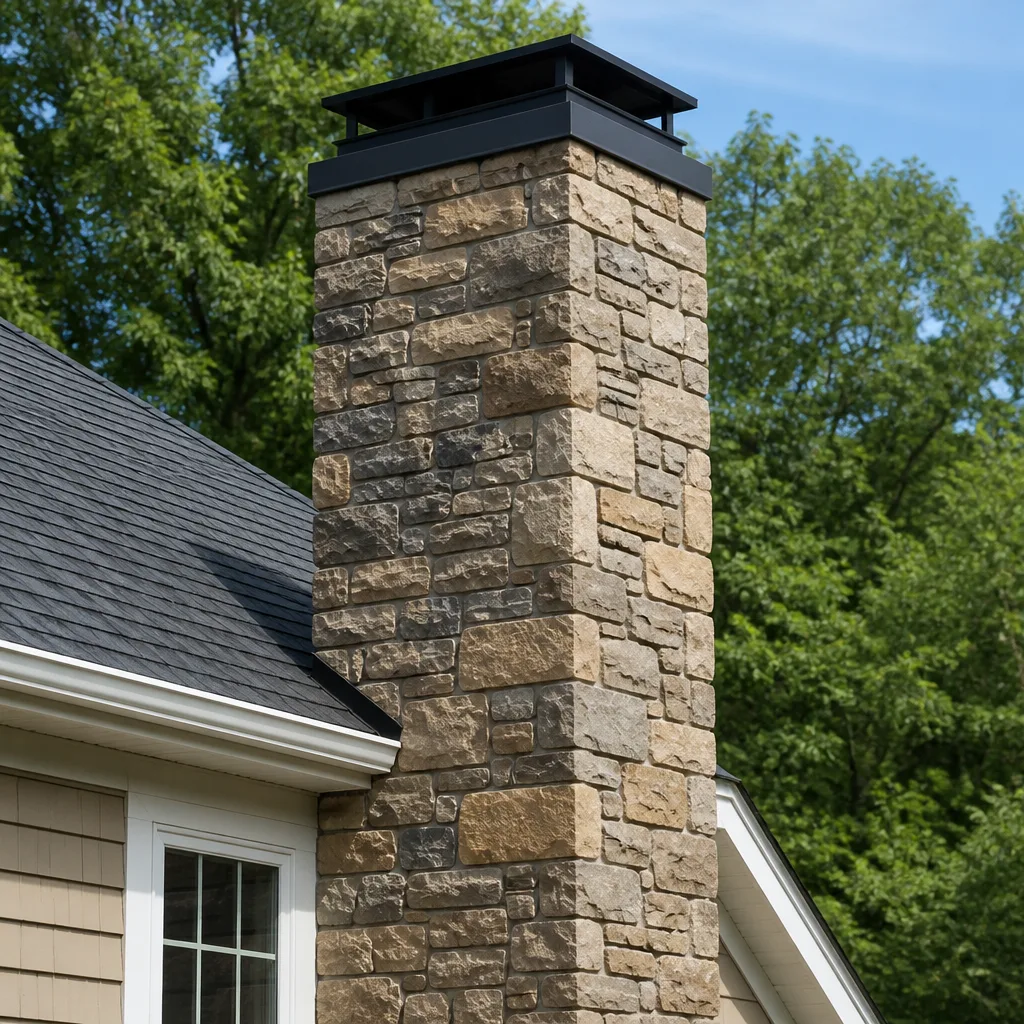 Masonry repair
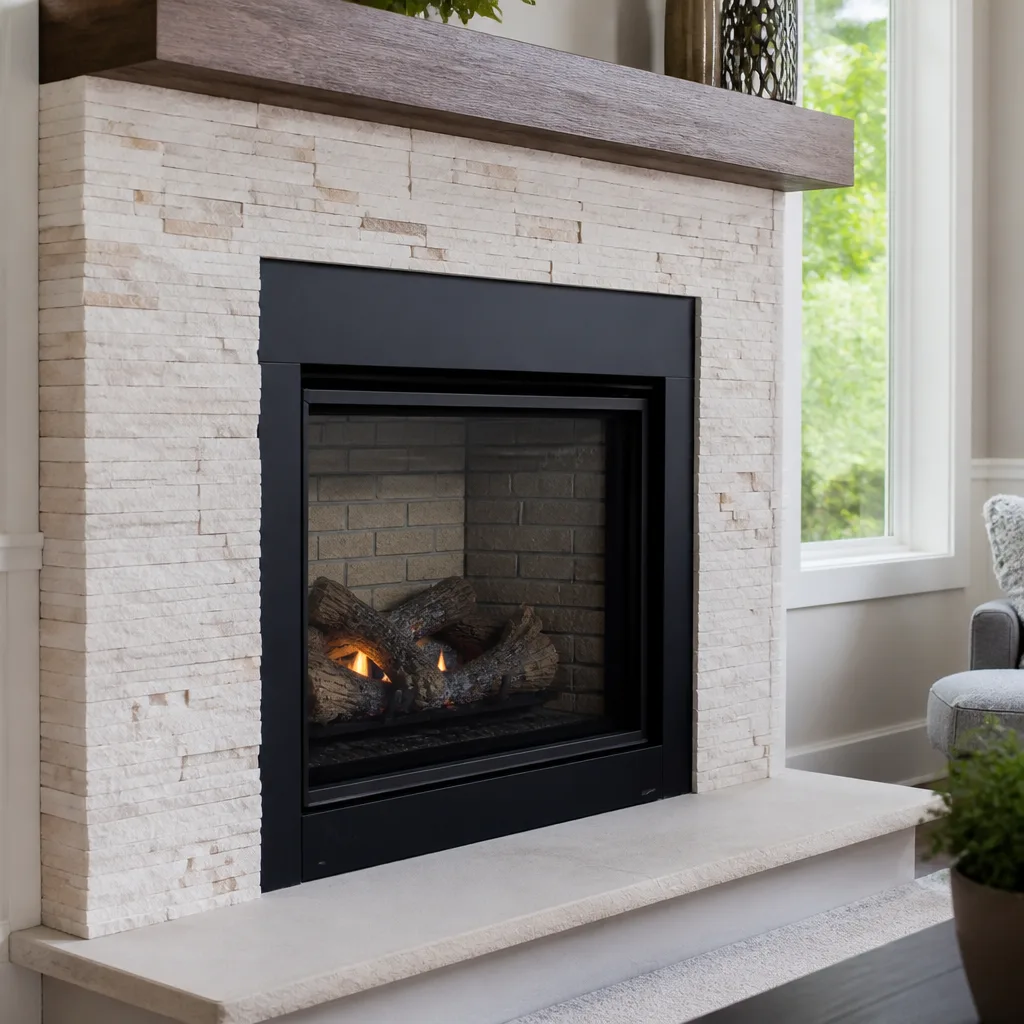 Gas fireplace service
Level 1 sweep and inspection to the NFPA 211 annual standard - flue, crown, cap, and flashing checked and photographed
Chimney sweep logs do not sweep chimneys. They loosen some creosote - which then falls where a brush and vacuum still have to collect it.
Choosing the Right Chimney Cleaning Brand: A Buyer’s Guide for Federal Way
The word “brand” gets used loosely when people talk about chimney care, and most of the time it’s pointed at the wrong thing. Homeowners ask which sweep uses the best brushes or which cleaning solution smells least, when the decision that actually shapes their chimney’s future is the materials a contractor specifies for repairs. A cleaning brand barely matters. A liner alloy does. When a technician recommends a flexible liner system, the gap between 316Ti stainless and standard 304 isn’t marketing talk – it’s a lifespan difference measured in decades against years for a wood-burning appliance. This guide walks through the components that sit inside, on top of, and around a Federal Way chimney, explains which material grades fit which appliance, and shows you how to check that what a contractor proposes actually matches the manufacturer’s requirements for your system. You’ll finish knowing what to question and what to accept.
Styles & brands we work with
- Sweep & inspection
- Caps & crowns
- Flue relining
- Masonry repair
- Gas fireplace service
Quick Answer
Choosing the right chimney brand in Federal Way means choosing the right materials for your flue and appliance, not the right cleaning product. The names that matter are the ones behind the liner, cap, crown, and resurfacing systems a contractor installs: DuraFlex for flexible stainless liners, HeatShield for flue resurfacing, Gelco and Copperfield for caps and venting components. A contractor who can name these brands and explain why one fits your configuration over another is telling you something useful. A contractor who can’t is guessing.
Table of Contents
- Liner Materials Explained: 316Ti vs. 304 Stainless, Aluminum, and Rigid vs. Flexible
- Cap and Chase Cover Brands: What Federal Way Rainfall Demands
- HeatShield and Surecrete Resurfacing Systems: What They Fix and What They Can’t
- Chimney Crown Sealants and Waterproofing: Which Product Differences Matter
- How to Verify Materials Match Your Appliance Manufacturer’s Requirements
- Questions to Ask Before You Hire a Contractor in Federal Way
- Federal Way Climate and Why It Shortens Chimney Component Life
- Common Mistakes to Avoid
- When to Call a Professional
- Frequently Asked Questions
- The Bottom Line
Liner Materials Explained: 316Ti vs. 304 Stainless, Aluminum, and Rigid vs. Flexible
A chimney liner is the pipe that carries flue gases from the firebox to the top of the stack. When it’s working, you never think about it. When it’s failing, everything downstream suffers: draft weakens, creosote builds faster, and carbon monoxide can find its way back into the house instead of up the flue. The material a contractor specifies for a replacement liner is the single most consequential decision in a chimney repair, and it deserves the same scrutiny you’d give a furnace or a water heater.
The two stainless alloys you’ll hear most are 316Ti and 304. They look similar and can be priced close together, but they aren’t interchangeable for wood-burning appliances:
- 316Ti stainless contains titanium, which stabilizes the alloy against the acidic condensate that wood smoke produces. It’s the grade most manufacturers specify for wood-burning fireplaces and inserts, and its service life under normal conditions runs long – measured in decades, not years.
- 304 stainless is a general-purpose alloy. It handles the flue gases from gas and oil appliances reasonably well under the right conditions but degrades faster when exposed to the acidic byproducts of wood combustion. A 304 liner in a wood-burning flue is a common shortcut, and it typically shortens the liner’s working life significantly.
- Aluminum liners are for gas appliances only. They can’t take the heat of wood combustion and should never be installed behind a wood fire.
The rigid versus flexible question is about geometry as much as material. Rigid sections are straight and smooth and work well in chimneys with a clean vertical run. Flexible liners, like the DuraFlex systems we install, can negotiate offsets, offsets around a smoke shelf, and the tight or irregular flues common in older Federal Way homes. A rigid-liner installer may decline those jobs entirely; a flexible system can often handle them without demolition.
The practical takeaway: for a wood-burning fireplace, insist on 316Ti. For gas, aluminum is acceptable and 304 can work. For anything with a bend or offset, ask specifically whether the contractor can install flexible, and which alloy the flexible liner uses.
Cap and Chase Cover Brands: What Federal Way Rainfall Demands
The cap and the chase cover are the two components that face the weather most directly, and in Federal Way that means a lot of rain over a long fall and winter. The western Washington climate delivers steady moisture, not occasional storms, and that changes how you should think about material grade. A cap that would last ten years in a dry climate can rust through much sooner when it’s wet most of the year.
The product landscape here splits roughly into three tiers:
- Painted steel and galvanized caps are the entry level. They’re inexpensive but the finish fails first, and once rust starts at a seam or weld it moves quickly. In a wet climate they’re a short-term solution.
- Stainless steel caps last meaningfully longer. Look for the alloy grade and the gauge – thicker stainless resists denting from falling limbs and holds its finish through wet winters better than thin stock.
- Gelco and Copperfield components are the professional-tier products we work with for caps, termination caps, and chase covers. These are names professional installers specify because they’re built for the local weather load, with heavier gauge metal, better fasteners, and finishes that survive the moisture cycle rather than failing at the first seam.
A chase cover – the flat or sloped lid that caps a wood-framed chase – is a separate piece from the cap. It’s often where leaks begin. A painted steel chase cover in Federal Way will eventually rust at the edges and let water into the framing below. Stainless replacement solves it once. When you’re evaluating a cap recommendation, ask three questions: which material, which gauge, and how is it fastened? A cap that’s held on with the wrong fasteners or the wrong sealant will lift in wind and leak regardless of grade.
We’ve seen plenty of chimneys in Federal Way where the cap was replaced with a low-grade unit and failed within a couple of seasons. The correct fix isn’t the cheapest cap on the shelf; it’s the right cap for the flue size, the appliance, and the weather. And because a cap and crown sit in the same water path, we inspect them together rather than treating them as separate calls. As part of a chimney repair visit, cap condition and fastening are among the first things we check.
HeatShield and Surecrete Resurfacing Systems: What They Fix and What They Can’t
Resurfacing is where a lot of homeowners first get confused, because two different problems get lumped together: a flue that has lost its smooth inner face and a flue that’s structurally failing. Resurfacing systems can often restore the first. They can’t save the second.
HeatShield is a ceramic-based resurfacing product applied to the inside of a damaged or deteriorating clay-tile flue. In qualifying systems it rebuilds the smooth inner surface, closes small cracks and spalling, and restores the flue to something close to its original performance without full demolition and relining. The HeatShield approach is particularly valuable in older homes where the original clay tile is still present but has cracked or eroded. Full relining is still possible later; resurfacing is the liner-preservation alternative when the flue qualifies.
Surecrete is a related family of cementitious repair products used for patching, resurfacing, and rebuilding areas of a chimney structure where a cement-based material is appropriate – crowns, some flue repairs, and structural repairs where the underlying masonry still has integrity.
What resurfacing can’t do:
- It can’t fix a flue that has lost enough tile that the structural integrity is gone. In that case, a new liner is the correct answer regardless of brand.
- It can’t be applied to a flue that hasn’t been cleaned properly first. The product needs a clean, sound surface to bond to.
- It can’t compensate for the wrong appliance. If you’ve added a wood insert to a flue sized for an open fireplace, resurfacing won’t fix a sizing problem.
Whether your system qualifies for HeatShield comes down to an inspection. We climb and camera-inspect the flue before recommending any resurfacing, and we’ll show you what we find. If a full reline is the honest answer, we’ll tell you that too; if resurfacing is safe and appropriate, it saves the cost and disruption of a reline. Ask specifically: is my flue a candidate for HeatShield, and if not, why?
Chimney Crown Sealants and Waterproofing: Which Product Differences Matter
The crown is the sloped concrete or mortar cap on top of the chimney that sheds water away from the flue. It’s small, unglamorous, and one of the most common sources of expensive chimney damage. A cracked crown lets water down into the masonry, where it freezes, expands, and spalls the brick from the inside. In Federal Way, where the wet season is long and the freeze-thaw cycle shows up every winter, crown condition is a real concern.
There are three broad approaches to crown protection, and they’re not equivalent:
- Portland cement crown rebuild – the traditional approach. A new, properly sloped cement crown with an overhang and a bond break at the flue is the most durable long-term fix. It’s also the most labor-intensive. This is the right answer when the existing crown is failing structurally.
- Flexible crown sealants – elastomeric coatings applied over an existing crown to seal hairline cracks and shedding water. These are appropriate for a crown that’s still sound but showing minor surface cracks. They buy time, but they don’t rebuild a broken crown.
- Masonry water repellents – breathable treatments applied to the brick and mortar that shed water at the surface while still letting the masonry dry from within. Products like ChimneySaver are the standard professional choice because they don’t trap moisture inside the brick. A non-breathable sealer on a chimney is worse than no sealer at all.
The mistake we see most often: a homeowner has a failing crown and a contractor paints an elastomeric coating over it. The crack is hidden, water keeps coming in, and the damage continues invisibly until a repair is much more expensive. A crown that’s cracked through or separated from the flue needs rebuilding, not sealing. A crown that’s intact but shows weathering benefits from sealing. The two situations call for different products, and a good contractor can tell you which you have.
How to Verify Materials Match Your Appliance Manufacturer’s Requirements
Here’s the step that most homeowners skip, and it’s the one that protects your warranty and your safety. Every fireplace, insert, and wood stove sold in the US comes with an installation manual that specifies the liner type it’s approved for. The material a contractor proposes should match what the appliance maker requires. You don’t need to be an engineer to check this. You need to know how to look.
- Find the appliance’s data plate or manual. It’s usually on the appliance itself or in the documentation that came with it. If you don’t have the manual, the manufacturer’s website typically hosts it for your model.
- Look for the approved liner specification. The relevant line will name an alloy, a liner class, or a specific approved system. “316Ti stainless” or “class A” are the kinds of specifications to look for. If the manual calls for 316Ti and the contractor proposes 304, ask why.
- Confirm the liner brand is listed as approved. The strongest assurance is when the liner brand itself is approved for use with your appliance. DuraFlex, for example, publishes its approved appliance compatibility. Ask the contractor which brand they’re specifying and whether it’s approved for your model.
- Check that the flue size matches the appliance’s required flue size. A liner that’s technically the right alloy but undersized will draft poorly. The manual specifies the required flue size; the liner has to match.
- Confirm the contractor will provide manufacturer documentation with the install. A properly installed liner comes with a manufacturer’s documentation package. If you don’t get paperwork, you don’t have a documented installation.
This process takes maybe twenty minutes and it protects you in a couple of ways. First, it ensures the appliance stays within manufacturer specifications, which matters for safety and for any warranty you rely on later. Second, it separates contractors who know the material landscape from those who install whatever’s on the shelf. We work with professional-grade brands – DuraFlex, HeatShield, Gelco, Olympia Chimney, Famco, and Copperfield – and we’re comfortable being asked to justify any of them for your specific system. A contractor who gets defensive at that question is telling you something too.
Questions to Ask Before You Hire a Contractor in Federal Way
The brand on the box tells you the material quality. The contractor behind it tells you the installation quality. Here’s how to evaluate the person doing the work, not just the product:
- Will you camera-inspect the flue? Camera inspection is the standard of care for any flue assessment. A contractor who inspects with a flashlight from the firebox is working from incomplete information.
- Which liner brand and alloy are you proposing, and why that one? The answer should reference your appliance, your flue configuration, and the alloy. If the answer is simply “the standard one,” ask for specifics.
- Are you licensed and insured as required in Washington? Ask for the license and insurance; the local pro who performs the work should be able to provide them.
- Do you carry the brands you specify, or do you sub them out? A company that buys and installs professional-grade chimney products is a different operation from a business that refers most of the job to someone else once it’s discovered.
- Will you show me what you find? A good contractor hands you photos or video of the flue, the crown, and the cap. If they won’t, find one who will.
- Does your sweep include a camera inspection and written report? A chimney sweep that doesn’t include at least a visual inspection is a partial service.
- Will the crown and cap be checked at the same time as the liner? These are the two most water-prone components on the whole chimney, and they’re rarely inspected separately in a good visit.
The Federal Way market has both franchise operations and independent specialists. Franchises have their place, but they tend to install one brand line and refer out the moment a job involves HeatShield or a flexible liner or a crown rebuild. Independent specialists who carry multiple brands are the ones who can actually specify the right material for your system, because they aren’t limited to a single supply chain.
We handle the full chimney lifecycle – chimney repair, fireplace repair, sweeping, inspection, and cap and crown work – so no complaint from the flue gets handed to someone else mid-job. One call covers the whole system.
Federal Way Climate and Why It Shortens Chimney Component Life
Federal Way sits in the Puget Sound lowlands, which means a wet fall and winter, mild but not absent freeze-thaw cycles, and a burning season that stretches longer than you’d expect from the temperature alone. That combination has a specific effect on chimney components that doesn’t come up in generic national guides.
The moisture load is the biggest factor. Water finds its way into masonry through the crown, the cap, and any seam in the flashing, then sits in the brick and mortar. When temperatures dip below freezing at night and warm back up during the day, that trapped water expands and contracts. Over a few winters, that cycle spalls brick faces and cracks mortar joints. The components that protect the masonry – crown, cap, chase cover, and water repellent – do more work here than they would in a drier climate, which is why we treat them as core chimney protection rather than accessories.
The burning season is the second factor. Because Federal Way homeowners fire the fireplace from fall well into spring, creosote accumulates across more of the year than in warmer regions. Creosote is the fuel source for chimney fires, and it builds in stages – first as a flaky dust, then as a hardened glaze that’s much harder to remove. A sweep schedule set for a short northern winter isn’t the right schedule for this climate; most Federal Way homeowners benefit from a sweep each year before the season starts and a mid-season check if they burn hard.
The length of the wet season also affects fastener corrosion. Cap fasteners, chase cover screws, and liner connections all see months of moisture. Stainless fasteners and properly graded metal components hold up; cheap steel fasteners rust through and let the cap work loose in wind. When we evaluate a chimney in Federal Way, the fasteners are part of the assessment, not an afterthought.
You can see the result in older Federal Way neighborhoods, where the chimneys on mid-century homes have often had both a cap replacement and a crown repair at some point. That’s not unusual for the climate. It’s the normal wear pattern, and it’s what the right material grades are meant to resist.
Common Mistakes to Avoid
- Treating “brand” as a cleaning product decision. The brush brand doesn’t matter. The liner alloy, cap gauge, and crown material do. Focus your buying attention on the components that stay in place for decades.
- Accepting a 304 stainless liner for a wood-burning appliance without asking why. 304 is fine for gas in many configurations, but it’s the wrong specification for most wood-burning systems. Asking the alloy question costs nothing and can add years of service life.
- Replacing the cap on price alone. The cheapest stainless cap on the Federal Way market is often thin-gauge and will dent or rust early. Look for a professional-grade cap from a brand like Gelco or Copperfield that’s built for the local weather.
- Sealing a crown that should be rebuilt. Elastomeric crown coating over a structural crack hides the damage and lets it continue. If the crown is separated or cracked through, rebuild it. If it’s intact and weather-worn, seal it.
- Skipping the camera inspection. A visual check from the firebox misses flue cracks, gaps at tile joints, and blocked offsets. If the flue hasn’t been camera-inspected, you don’t actually know its condition.
- Applying non-breathable sealant to masonry. A sealer that traps moisture inside the brick accelerates spalling rather than preventing it. Breathable masonry water repellents are the correct choice.
- Hiring a contractor who can’t name the brands they install. A contractor who specifies DuraFlex, HeatShield, Gelco, or Copperfield by name is signaling that they buy from the professional supply chain. A contractor who can’t name anything is telling you what you need to know.
- Not checking appliance compatibility. The appliance manual specifies the approved liner. If your contractor never asks for it, ask them why.
When to Call a Professional
Some chimney issues are safe to observe and schedule at your convenience. Others shouldn’t wait. Call when you notice: a strong smoky odor from the fireplace even when it’s not in use, draft problems that pull smoke into the room, visible cracks in the flue tile, a crown that’s cracked through or separated from the flue, a cap that’s loose or missing, water staining on the firebox or damper frame, or a fireplace that hasn’t been serviced since you bought the house. Also call if you’ve just bought a Federal Way home whose chimney history is unknown – a baseline camera inspection is worth the trip. A professional with the right tools and brands can confirm exactly what’s going on and recommend the right fix the first time.
Chimney Sweep Federal Way offers free estimates in Federal Way – call (844) 625-7660. We answer 24/7. Fast dispatch from 7am to 7pm, Sunday through Friday. Our technicians have up to 8 years of experience, and the estimate is free with the price set per job by the written estimate.
Frequently Asked Questions
There isn’t one “best” chimney cleaning brand, because cleaning itself has no brand worth choosing. What matters is the brand behind the materials your chimney needs – DuraFlex for flexible stainless liners, HeatShield for flue resurfacing, Gelco and Copperfield for caps and venting components. The right answer depends on your appliance, flue configuration, and what an inspection finds. Call (844) 625-7660 for an exact assessment – estimates are free.
For a wood-burning fireplace, 316Ti is generally the right choice because the titanium content resists the acidic condensate wood smoke produces. 304 is acceptable for gas and oil appliances in the right configuration but will degrade faster behind a wood fire. Ask your contractor which alloy they’re specifying and why – that question alone filters out a lot of shortcuts. Call (844) 625-7660 for an exact quote on the liner your system needs.
The right product depends on the crown’s condition. A structurally cracked or separated crown needs a Portland cement rebuild, not a sealant. A sound but weather-worn crown can be protected with a flexible crown sealant. Masonry walls are best treated with a breathable water repellent like ChimneySaver rather than a non-breathable sealer that traps moisture. Ask for photos of the crown before you approve any work. Call (844) 625-7660 for a free crown assessment.
Only if the flue qualifies. HeatShield ceramic resurfacing can restore a deteriorating clay-tile flue without demolition or full relining when the tile is still structurally intact. If the tile has lost enough integrity that the flue is failing, resurfacing isn’t safe and a full reline is the correct answer. A camera inspection is the only way to know which you have. Call (844) 625-7660 – we’ll show you the camera evidence before recommending either.
Most Federal Way chimneys benefit from an annual sweep before the burning season, because the wet climate and long burning season drive creosote accumulation. A home that burns heavily through the winter may also benefit from a mid-season check. The sweep schedule should be based on how much you burn and what the inspection shows, not just a fixed date on the calendar. Call (844) 625-7660 to book a sweep and inspection.
Use a specialist. Liner installation requires the right alloy for the appliance, correct sizing for the flue, proper insulation, and correct termination at the top – and a generalist who isn’t set up for chimney work will often get at least one of those wrong. A specialist who carries professional-grade brands and installs them to manufacturer specs is the safer choice for a component that sits behind a fire for decades. Call (844) 625-7660 for a proper liner assessment.
Creosote builds in stages and becomes harder to remove the longer it sits; at the glazed stage it needs more aggressive removal and it’s the fuel source for a chimney fire. A failing crown lets water into the masonry, where freeze-thaw cycles spall the brick from inside. Neither is immediate, which is what makes them easy to put off – and both are cheaper to fix early. Call (844) 625-7660 to get both checked at the same visit – estimates are free.
The Bottom Line
The right chimney “brand” is the one behind the materials that will sit inside and on top of your chimney for decades. For a wood-burning appliance, that means 316Ti stainless, not 304. For a wet climate, that means stainless caps and chase covers from professional-tier brands like Gelco or Copperfield, not thin painted steel. For a deteriorating clay flue, HeatShield resurfacing may be the right answer – and a full reline is the honest answer when it isn’t. The strongest protection against being oversold is a camera inspection you can see yourself, and a contractor who can name the brands they install and justify them for your appliance. Call (844) 625-7660 for a free estimate. We answer 24/7. Fast dispatch from 7am to 7pm, Sunday through Friday.
If you’re still sorting out the basics, Chimney Sweep Federal Way is a good place to start understanding the full service picture.
Written by the team at Chimney Sweep Federal Way.
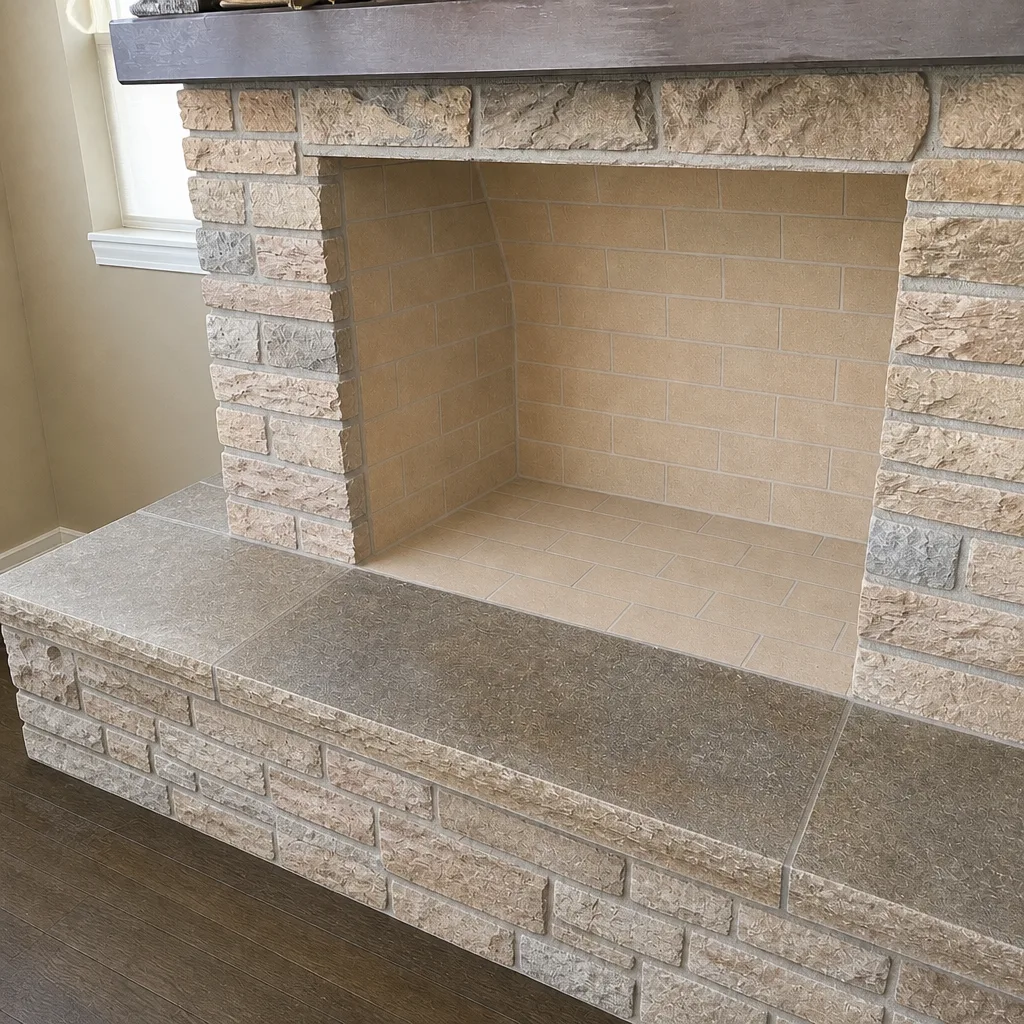
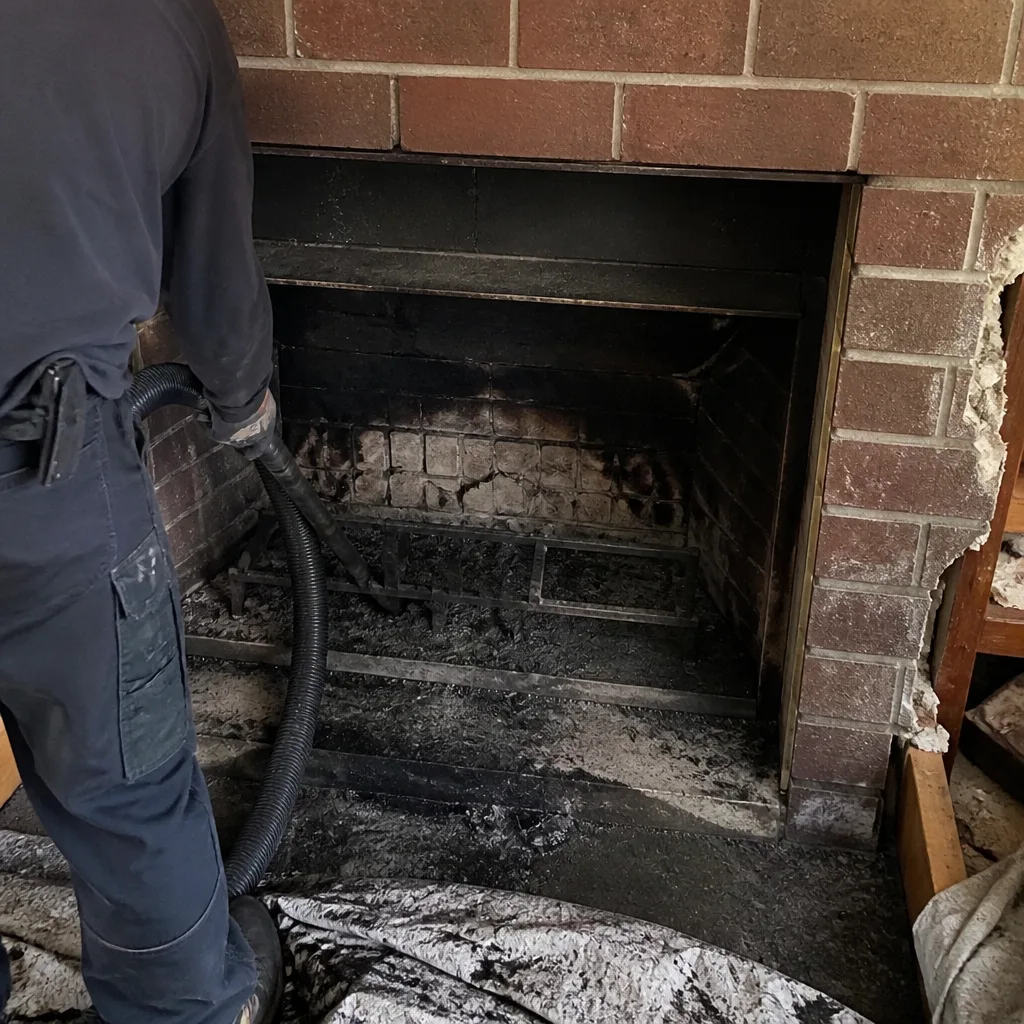
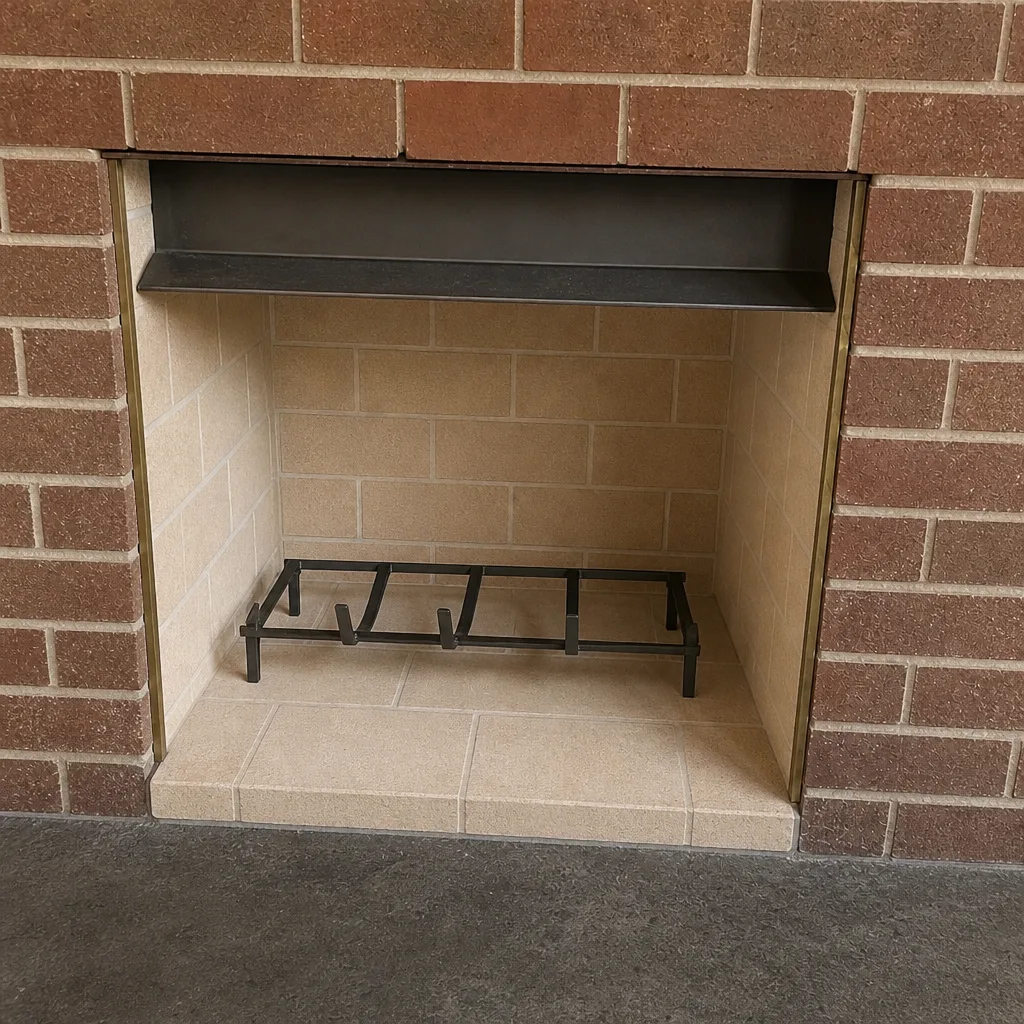
See the difference
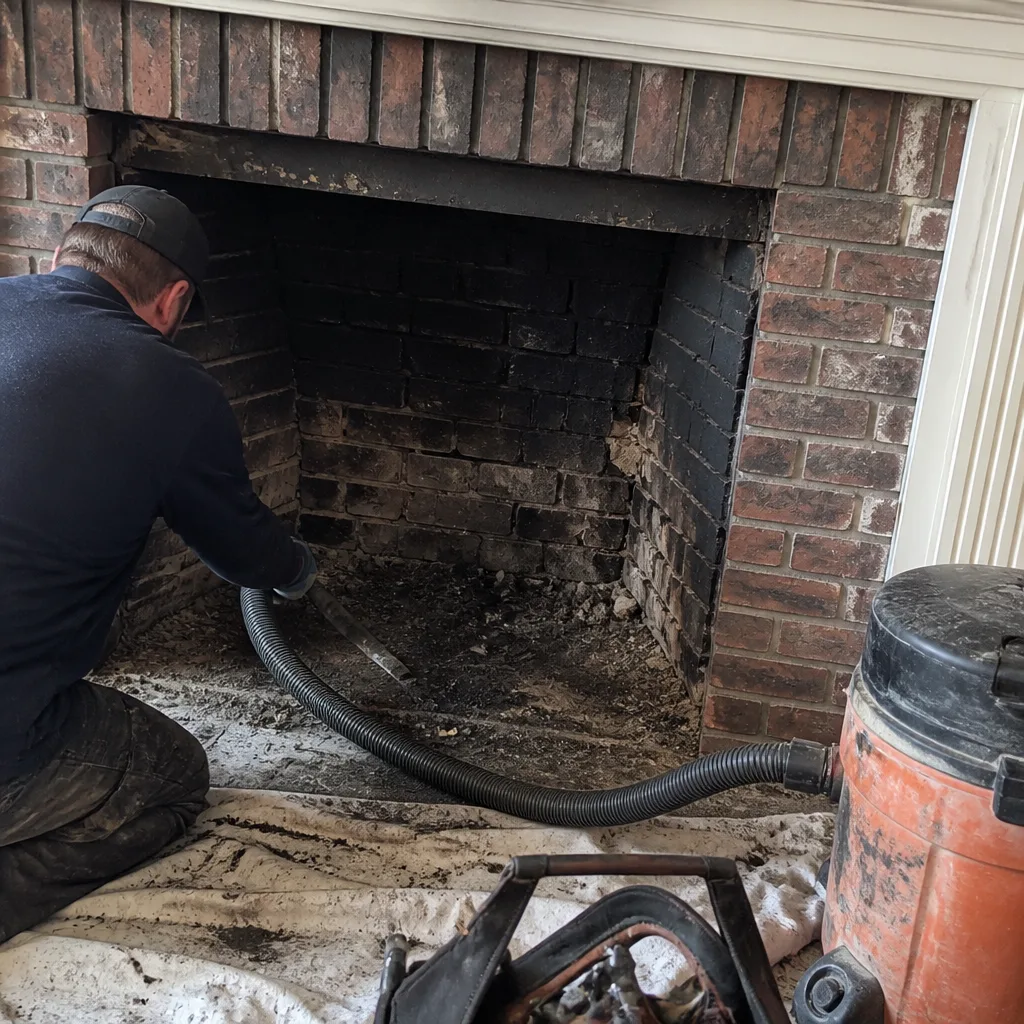 Before
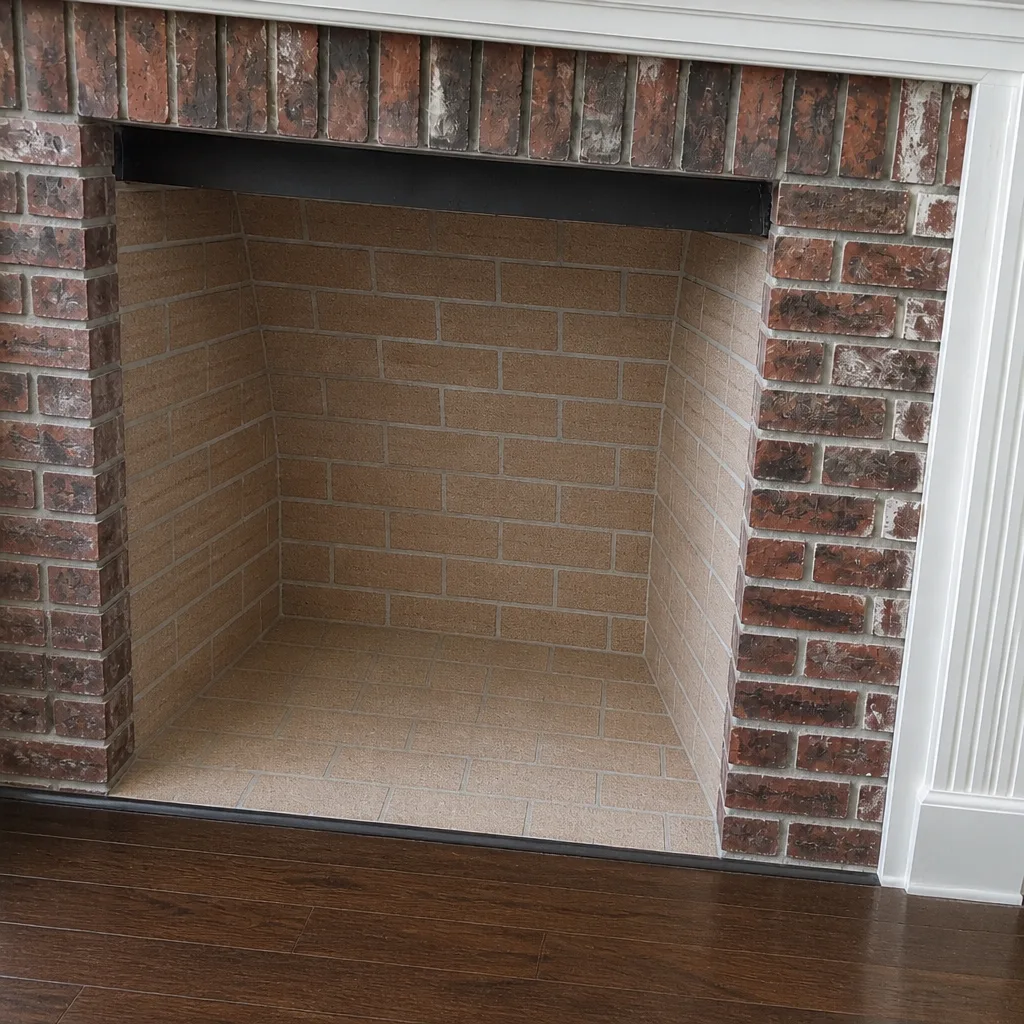 After
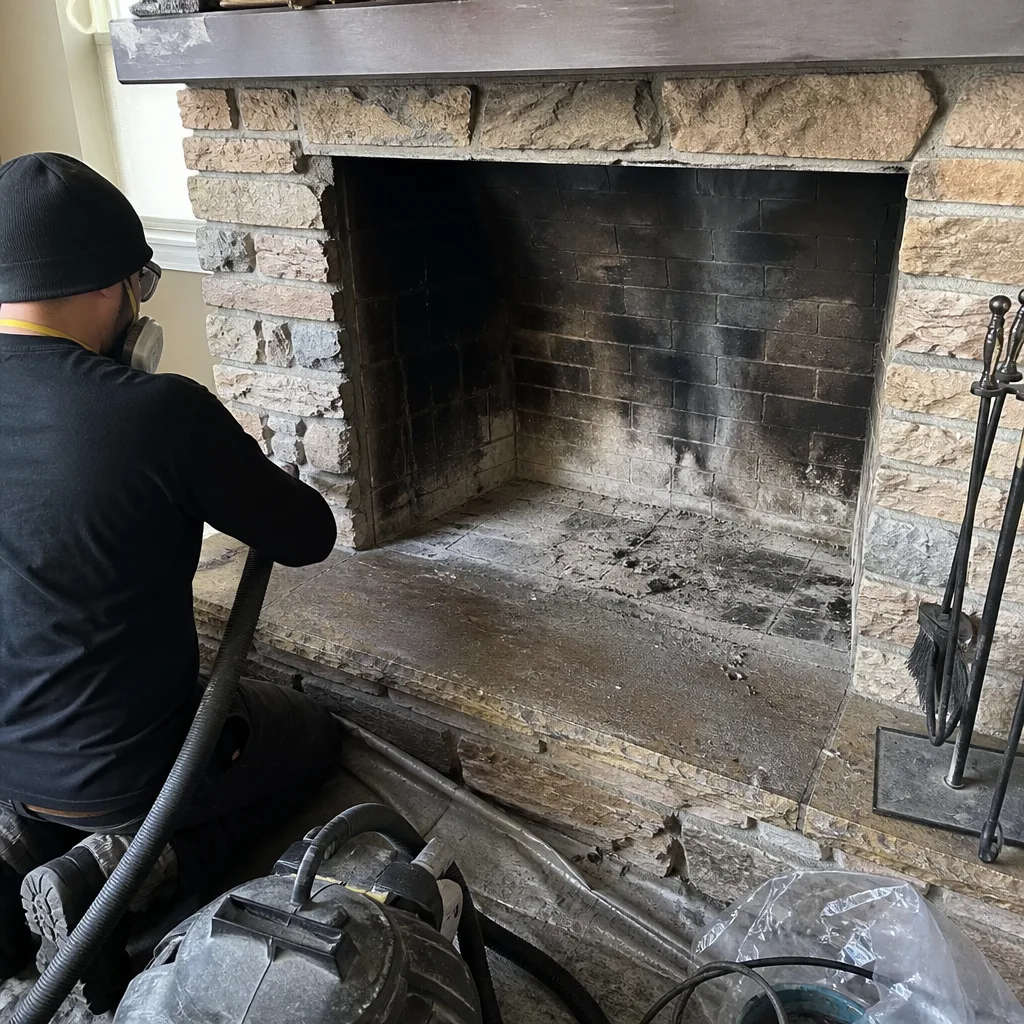 Before
 After
 Before
 After