
Last updated November 24, 2026
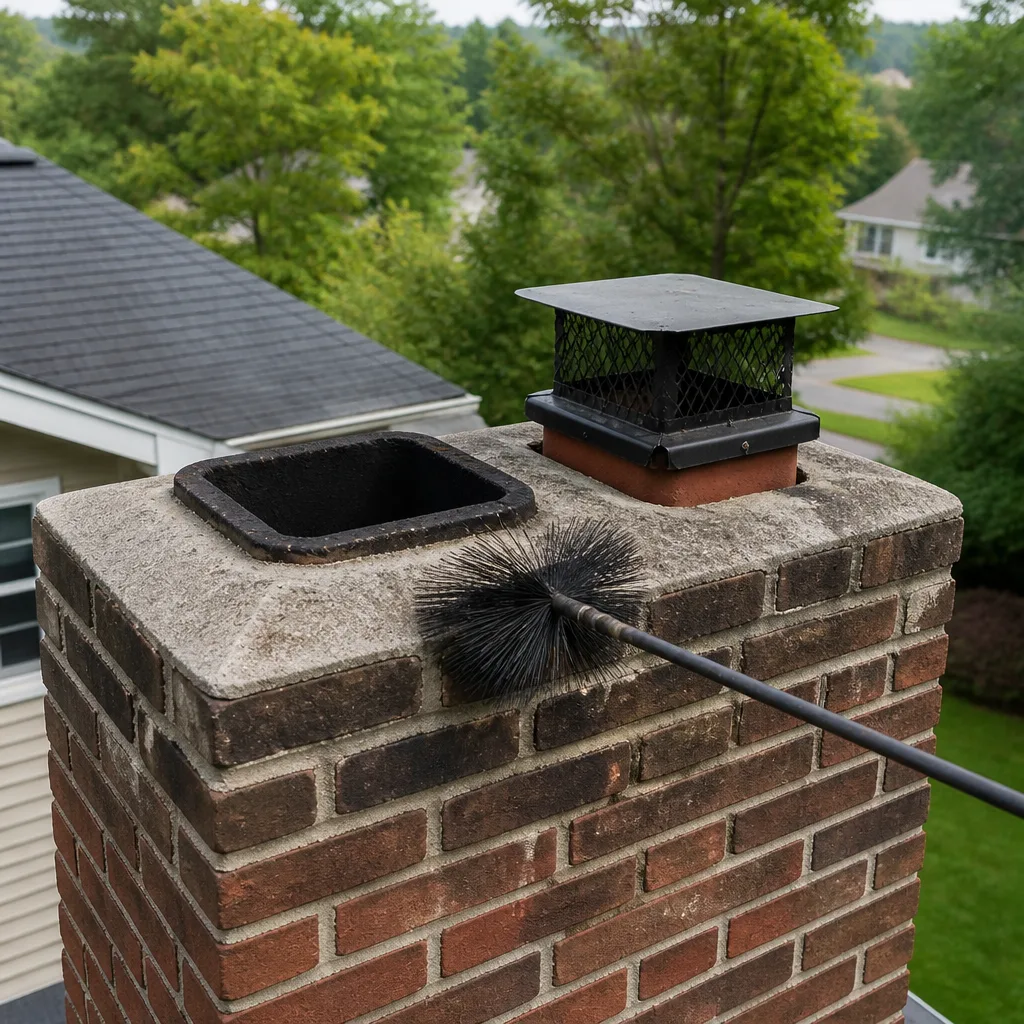 Sweep & inspection
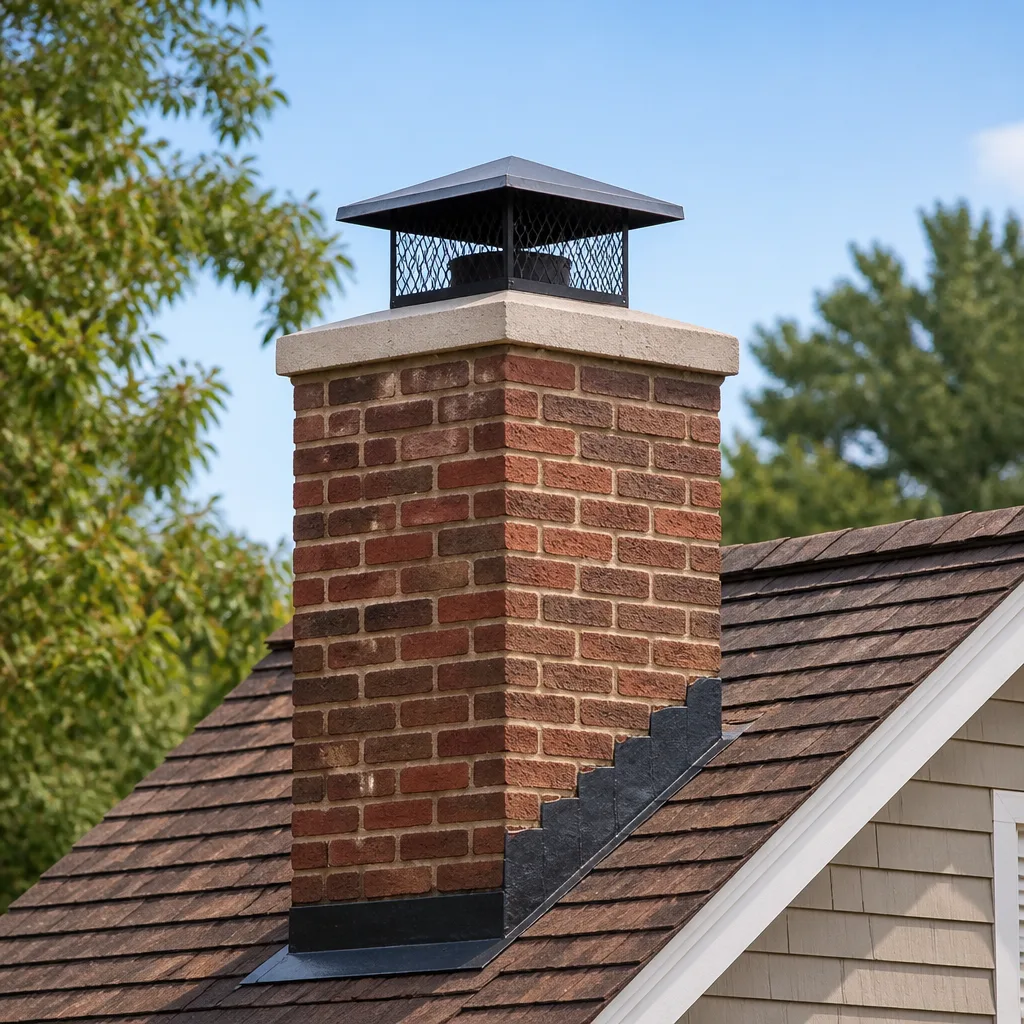 Caps & crowns
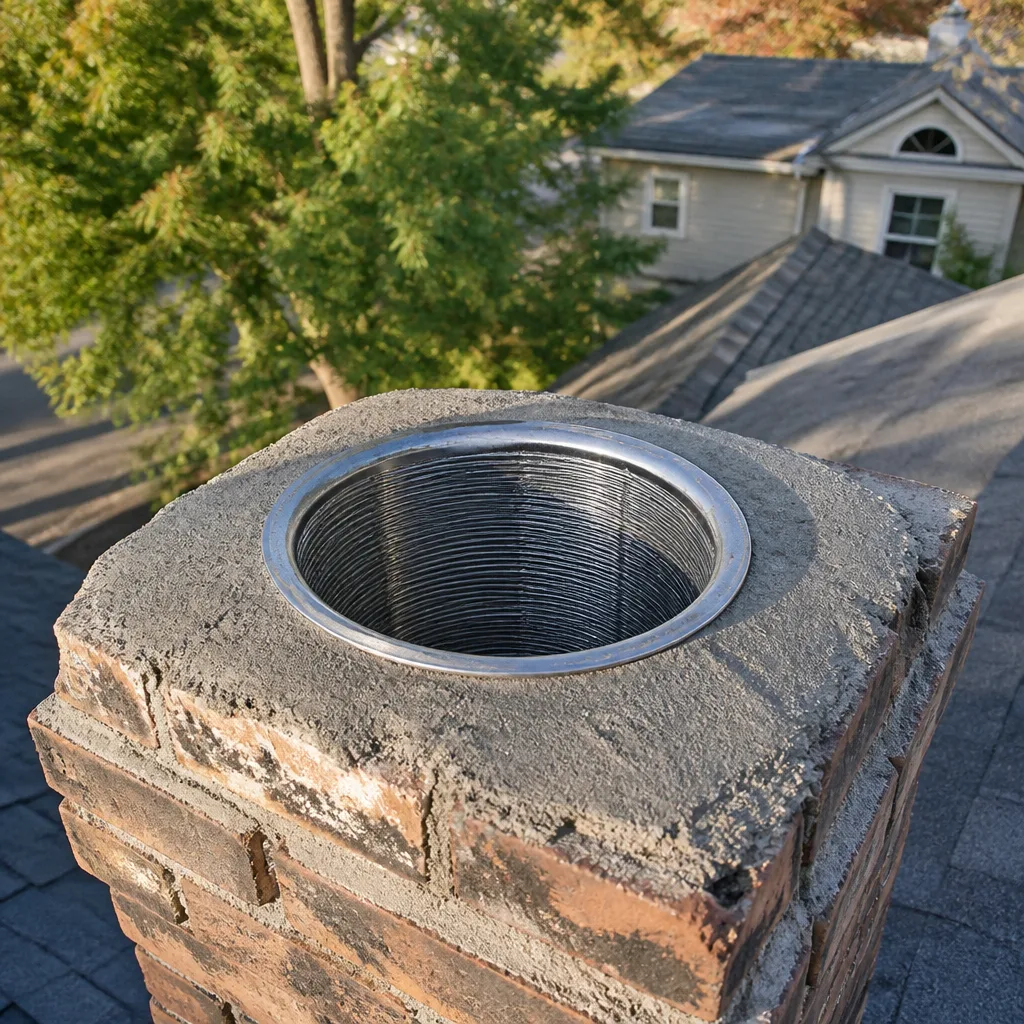 Flue relining
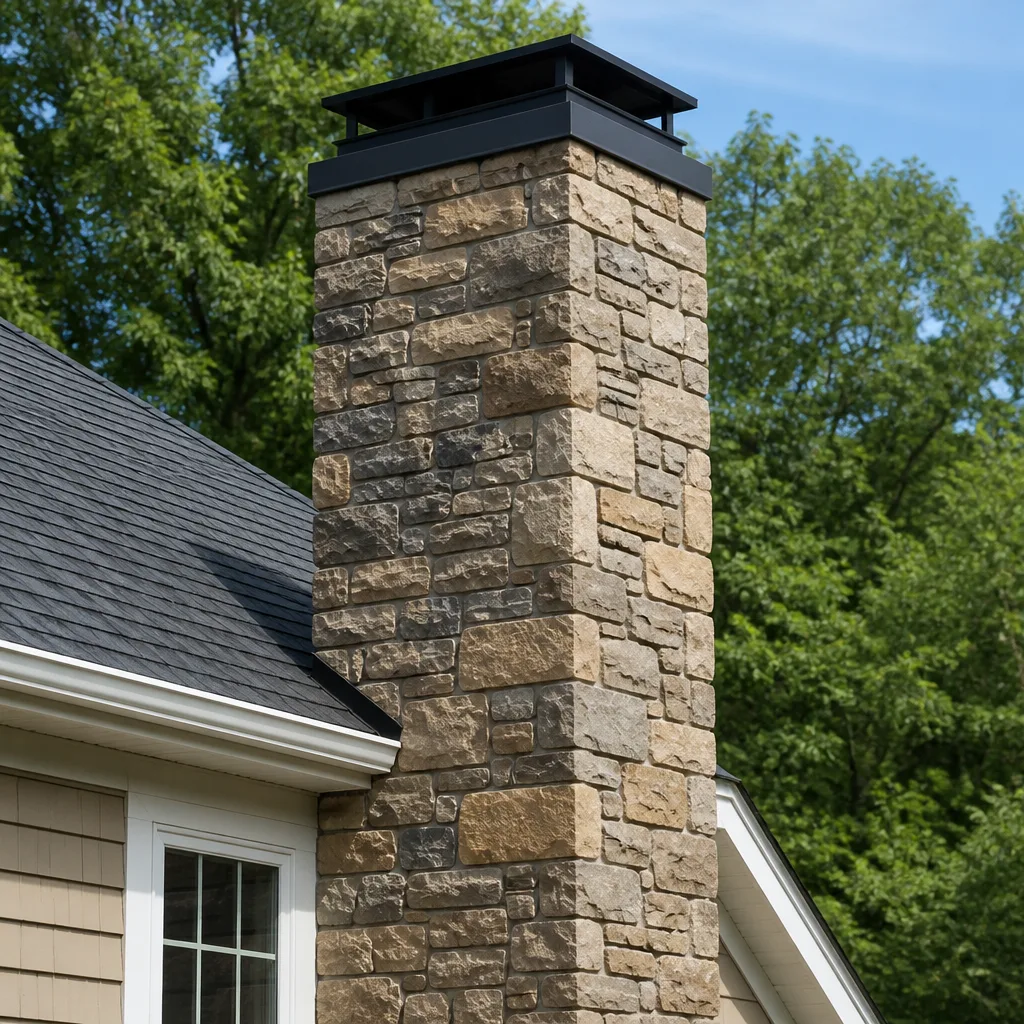 Masonry repair
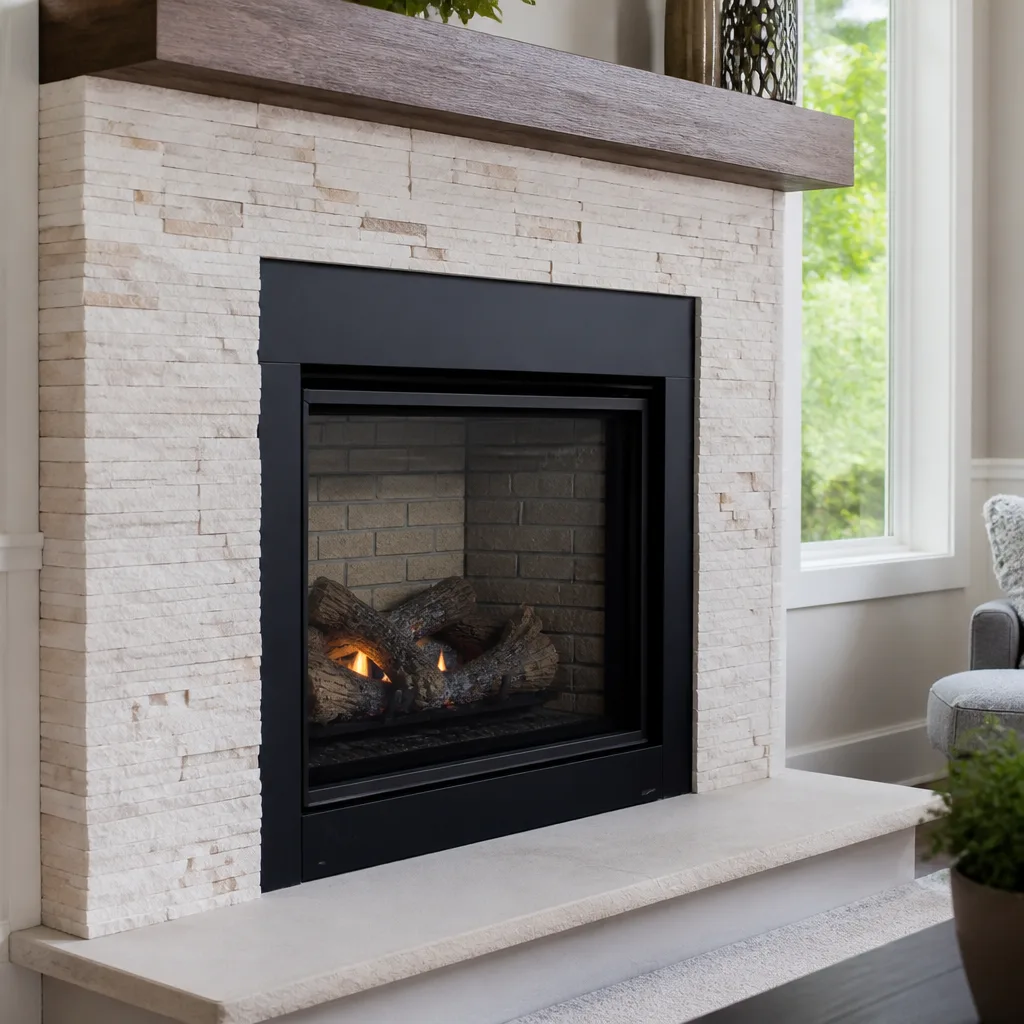 Gas fireplace service
Level 1 sweep and inspection to the NFPA 211 annual standard - flue, crown, cap, and flashing checked and photographed
Chimney sweep logs do not sweep chimneys. They loosen some creosote - which then falls where a brush and vacuum still have to collect it.
How to Hire a Chimney Cleaning Contractor in Federal Way: A Step-by-Step Guide
The instinct when you need a sweep is to compare prices and pick the lowest one. That’s backwards. The real question is what happens when the technician finds cracked flue tile, a failing crown, or a gap in the liner three minutes into the job. A sweep-only operation does one thing: it cleans. When it discovers the problem, it hands you a business card and wishes you luck. You’ve paid once for the cleaning, and now you’re paying a second contractor to fix what the first one found. This guide is about closing that loop before you book. You’ll learn how to verify a Federal Way contractor’s credentials, what separates a full-service specialist from a sweep shop, and the exact questions that reveal which one you’re talking to.
Quick Answer
A chimney contractor in Federal Way should be verified on three fronts before you hire: Washington State Department of Labor & Industries registration, liability and workers’ compensation insurance, and the ability to actually repair what they find. CSIA certification is worth asking about, but it covers sweeping and inspection, not structural repair. A contractor who can only clean will refer out the liner, crown, or cap work – and you’ll pay twice. Ask what they’re authorized to install before you book, and require a written post-inspection report.
Styles & brands we work with
- Sweep & inspection
- Caps & crowns
- Flue relining
- Masonry repair
- Gas fireplace service
Table of Contents
- Why Diagnostic Capability Matters More Than Price
- CSIA Certification vs. Washington State Licensing: What Each Covers
- How to Verify a Federal Way Chimney Contractor
- Five Interview Questions That Separate Specialists from Sweep Shops
- Red Flags in a Chimney Cleaning Quote
- Why a Written Post-Inspection Report Is Non-Negotiable
- What Repair Capacity Looks Like in Practice
- Federal Way-Specific Considerations
Why Diagnostic Capability Matters More Than Price
A chimney cleaning is scheduled to remove creosote and soot. What it actually does is give a trained technician a look at the inside of your flue. That look is the value. What they see behind the brush determines whether you need a spot of maintenance or a repair that could run into real money. A contractor who can only clean is a contractor who stops at the diagnosis and hands the problem to someone else.
The cost of that handoff is two-fold. You pay for the sweep, then you pay a second crew to come out to handle the liner crack, the crumbling crown, or a cap that’s been letting water into the joints for a couple of winters. The second crew, unless they inspect the flue themselves, may not know what the first contractor saw. The scope gets fuzzy, and fuzziness almost always costs more than a straight diagnosis from the start.
What diagnostic capability looks like on a real job:
- The technician runs a camera and shows you the footage, or describes exactly what’s on it in plain language.
- They tell you the difference between cosmetic surface spalling and a tile that’s actually breaking apart, and they show you which is which.
- They know if a HeatShield ceramic resurfacing system qualifies for your flue, or whether the damage is past that and needs a full liner. A sweep shop won’t know, because they don’t install it.
- They can give you a repair estimate on the spot, in writing, with materials named.
- They don’t say “call a mason” three minutes into the visit.
That last point is the whole thesis. The question isn’t whether the contractor has a license to clean. It’s whether they have the equipment, the materials, and the brand relationships to handle what the cleaning reveals. We carry the same brands professional chimney professionals specify – DuraFlex and HeatShield among them – because the repair should close in one engagement, not two.
CSIA Certification vs. Washington State Licensing: What Each Covers
These are two different things, and homeowners routinely confuse them. Knowing the difference changes what you ask on the phone.
The Chimney Safety Institute of America (CSIA) is a credentialing body. Its Certified Chimney Sweep credential is a voluntary industry certification that indicates the holder has passed an exam and agreed to a code of ethics. A CSIA certification means the person should know how to sweep and inspect a chimney to a recognized standard. What it doesn’t cover is the repair side. It doesn’t certify masonry work, liner installation, or structural repair. It’s a credential about sweeping and inspection, and that’s where it stops.
A CSIA credential is a useful signal on the phone. It’s not the whole picture.
Washington State is the separate requirement. Chimney sweeping and repair work falls under contractor licensing rules administered by the Department of Labor & Industries, and a contractor performing this work should be registered with L&I. That registration ties to insurance requirements: liability insurance and workers’ compensation coverage. A crew member injured on your roof with no workers’ comp is a problem for you, and an unregistered contractor is a problem way before that.
So the CSIA credential answers “does this person know chimney systems?” The L&I registration answers “is this business licensed to do the work in Washington, and are their workers covered?” You want both. One without the other is incomplete.
What to check and where:
- CSIA status: ask directly. A certified sweep will tell you without hesitation.
- L&I registration: verify through the Department of Labor & Industries contractor lookup on the state’s website. Don’t rely on a logo on a van.
- Insurance certificates: request a certificate of insurance for liability and workers’ comp. A registered contractor will provide it.
- Business standing: check that the business name on the certificate matches the name in the L&I lookup.
Federal Way contractors operate under the same state rules as the rest of Washington, so the lookup applies to anyone you’re considering from Federal Way or anywhere in the region. Running that check takes five minutes and saves you from a much longer problem.
How to Verify a Federal Way Chimney Contractor
Verification isn’t a single phone call. It’s a short sequence you can run before you book, and it tells you more than any review or referral. Work through it in order.
- Confirm the business is registered with Washington State L&I. Use the state contractor lookup. If the business doesn’t come up, stop there. If it does, note the registration status and the legal business name.
- Ask for a certificate of insurance. You want liability and workers’ compensation coverage. Review the certificate to confirm the policy is active and the business name matches the registration you just checked.
- Ask whether the technician is CSIA-certified. This is a signal of sweep and inspection training. If multiple technicians work the route, ask whether the person coming to your home is certified.
- Ask what they’re authorized to install. Listen for product names. DuraFlex flexible liner systems, HeatShield ceramic flue resurfacing, Gelco caps and venting, Copperfield components. If the answer is “we clean and refer,” that’s your answer on whether they’re a full-service specialist.
- Request a sample inspection report. A contractor who produces written reports will send you an example. If they can’t, treat that as a missing feature, not a minor gap.
- Confirm the estimate is free and in writing. The estimate should be per job, based on what the inspection finds, and not a flat rate quoted over the phone before anyone’s looked at the flue.
This sequence takes maybe twenty minutes and it screens out most of the headaches. In our experience, the contractors who pass all six points are the ones who show up, do the work, and put the findings in writing. Our technicians have up to 8 years of experience, and they’re the ones running this same verification on themselves with every customer who asks.
Five Interview Questions That Separate Specialists from Sweep Shops
You need about five minutes on the phone. These questions are designed so a sweep-only operation can’t bluff through them. A full-service chimney specialist answers each one with specifics.
1. “If you find cracked flue tile during the sweep, what are my options?”
A specialist will name the paths: HeatShield ceramic resurfacing if the system qualifies, or a DuraFlex flexible liner if the damage is beyond resurfacing. A sweep shop will say “we’d refer that out.” That’s the tell.
2. “Do you install chimney caps and crowns, or just recommend them?”
The cap and the crown are the two biggest entry points for water damage on a chimney. If the contractor can’t install or replace them, they can only point at the problem. Ask which product lines they work with. Gelco and Copperfield are the kind of names that come up in a confident answer.
3. “Do I get a written report after the inspection, with the findings and photos?”
Yes is the only acceptable answer. A written report is the record you use to decide what work to schedule, and to compare if you get a second opinion. A contractor who won’t put findings in writing is asking you to trust a verbal summary.
4. “What level of inspection do you perform, and can you explain the difference?”
Inspection standards describe three levels: a basic visual check, a more thorough accessible inspection that often follows a chimney change or a sale, and a level that involves camera views and access to concealed portions of the system. A specialist will tell you which level your situation calls for and why. A sweep shop may only know how to do the first one.
5. “Who actually does the repair work, your company or a subcontractor?”
One call covering the whole system is the goal. If repairs go to a subcontractor, the scope can drift and the diagnosis can get lost in the handoff. The answer you want is that the same company handles the sweep, the inspection, the crown and cap, the fireplace repair, and the liner work.
Listen for one more thing while you’re asking: whether the contractor volunteers that some findings can safely wait. A trustworthy specialist will tell you when a repair isn’t urgent. A sales operation won’t.
Red Flags in a Chimney Cleaning Quote
Most bad quotes share the same weaknesses. Recognizing them early saves you a phone call and a deposit.
- Flat pricing with no itemization. A quote that’s one number with no breakdown of sweep, inspection, and repair line items can’t be compared to anything and can’t be challenged later. You want separate line items.
- No mention of inspection level. If the quote says “cleaning” and never describes the inspection, the contractor is likely doing a visual once-over and calling it done. That’s not the same as a documented inspection.
- Vague scope language. “Repairs as needed” or “address chimney issues” isn’t a scope. Scope names the material and the system: liner, crown, cap, flue tile, damper, firebox.
- Pressure to decide on the spot. A repair recommendation that expires if you don’t sign today is a sales tactic, not a diagnosis. Get it in writing, take the report, and decide on your own timeline.
- No brand names anywhere. A specialist names the products they install. DuraFlex, HeatShield, Gelco, Copperfield. Absence of any product reference in a repair quote suggests a generalist or a sweep-only crew.
- No post-inspection report mentioned. If the report isn’t referenced in the quote, ask. If they don’t produce them, that’s a structural gap.
- Price quoted before anyone’s seen the flue. Cleaning prices can be estimated over the phone. Repair prices can’t. A contractor quoting a repair before the inspection is either guessing or padding.
A quote for a chimney sweep should name the type of cleaning, the inspection level included, and what happens if a problem is found. If any of those are missing, ask why before you book.
Why a Written Post-Inspection Report Is Non-Negotiable
The written report is the most important deliverable of the whole visit. Not the cleaning, the report. The cleaning will need doing again in a year or two. The report is your record of what the system looked like on a specific date, and it’s what makes every decision that follows defensible.
What a useful report includes:
- The inspection level performed and what it covered.
- Findings by component: flue, liner, crown, cap, damper, firebox, and any joints or connections visible to the inspection.
- Photos or camera footage, or at minimum a description specific enough that you can see for yourself what’s being described.
- Recommendations split into two groups: what should be addressed before the next burning season and what can safely wait.
- The company’s findings on record, which means if you get a second opinion later, you have something to compare.
We insist on the report for a practical reason. Repair estimates for chimneys can be significant, and homeowners have no independent way to verify a claim that the liner is failing or the crown needs rebuilding. The report is the verification. It’s the difference between “you need a new liner” and “here’s the view of the flue, here’s the crack, here’s why it matters.”
If a contractor doesn’t produce written reports, ask what happens if the technician finds a problem. If the answer is “we tell you verbally,” that’s a real gap. The written record is what holds the scope together when you’re making a decision about chimney repair that could run to thousands of dollars.
What Repair Capacity Looks Like in Practice
Repair capacity is the ability to handle the full chimney system, not just the flue. A chimney has several components that fail differently and get serviced by different trades. A full-service specialist handles them without handing you off.
Here’s how the work breaks down by component:
- Flue and liner. Cracked or spalling clay tile can sometimes be restored with HeatShield ceramic resurfacing, which rebuilds the flue’s interior surface without full demolition. When the damage is past that, a flexible liner system like DuraFlex handles offset or complex flues that rigid-liner installers turn away.
- Crown. The crown is the concrete or masonry cap at the top of the chimney that sheds water away from the flue. Cracks in the crown let water into the chimney structure. Crown repair or replacement is part of the full-service scope.
- Cap. The chimney cap sits above the flue opening and keeps rain, debris, and animals out. It’s a small component with an outsized effect on how long the rest of the system lasts. Cap work falls in the same service category as crown work for a reason.
- Firebox and damper. Firebox repairs and damper work are part of fireplace repair and matter as much as flue work for how the fireplace drafts and burns.
When one contractor can handle all four, the scope stays coherent. When one contractor cleans and another repairs, the first one’s photos don’t necessarily reach the second one, and the recommendation can change depending on who’s looking. A specialty shop with the right brand relationships closes that gap. We work with Copperfield and Gelco for caps and venting components, HeatShield for flue resurfacing, and DuraFlex for flexible liner work, precisely because one call should cover the whole system.
It’s worth asking a contractor directly: which of these can you handle, and which do you refer out? If the list of referrals is longer than the list of capabilities, you’re looking at a sweep shop.
Federal Way-Specific Considerations
Federal Way sits in a part of the Puget Sound region where the wet season is long and the burning season is short. That pattern shapes chimney wear in specific ways.
Chimneys here spend most of the year dealing with moisture. Rain on the crown, water on the cap, condensate in the flue. The wet months are hard on masonry and on the joints that hold caps and crowns in place. By the time the fireplace gets used in the fall, the water exposure has had months to work on the weak points. This is why cap and crown work is a priority here rather than an afterthought. A missing or damaged cap on a Federal Way chimney isn’t cosmetic. It’s a path for water into the flue and the surrounding structure.
The other local reality is the burn cycle. Fireplaces in Federal Way often sit idle for much of the year, then get used regularly during the cooler months. Creosote builds up during that burning season, and a chimney that was last swept a couple of years back is probably overdue. A cleaning before the season starts, with a proper inspection, catches problems before they’re expensive.
Housing stock in Federal Way varies widely. Older homes in some neighborhoods still run original clay-tile flues that have been through many wet seasons and can show spalling or cracking that a quick look won’t catch. Newer homes may have different liner systems and venting configurations. Either way, the inspection should evaluate the actual system in your house, not be a one-size-fits-all checklist.
That’s the practical case for hiring a Federal Way contractor who can both diagnose and repair. If your home needs chimney sweep Federal Way service, the value isn’t the brush work. The value is the inspection and the repair capacity behind it. That’s what chimney repair in a wet climate should look like: one contractor, one visit, findings in writing, repair scope on the spot.
Common Mistakes to Avoid
- Hiring on price alone. A cheap sweep that discovers a liner problem and refers it out costs you twice. Pay for the diagnosis and the repair capacity, not just the cheapest brush.
- Skipping the L&I lookup. A logo on a van is not a registration. Check the state contractor database before you book. It takes minutes and covers the most basic risk.
- Confusing CSIA certification with full licensing. CSIA covers sweeping and inspection. Washington State licensing and insurance are a separate requirement. You want both, not one instead of the other.
- Accepting a verbal summary. “Everything looked fine” isn’t a report. Insist on written findings, with photos if possible, before the visit ends.
- Booking a repair quote over the phone. Cleaning prices can be estimated remotely. Repair prices can’t. If a repair is quoted before anyone’s inspected the flue, ask why.
- Ignoring the cap and crown. These are the two biggest entry points for water damage. In a wet-climate city like Federal Way, neglecting them is the slow path to a much larger repair.
- Not asking what can safely wait. A good contractor will tell you which findings are urgent and which can be scheduled later. If everything is urgent, get a second opinion.
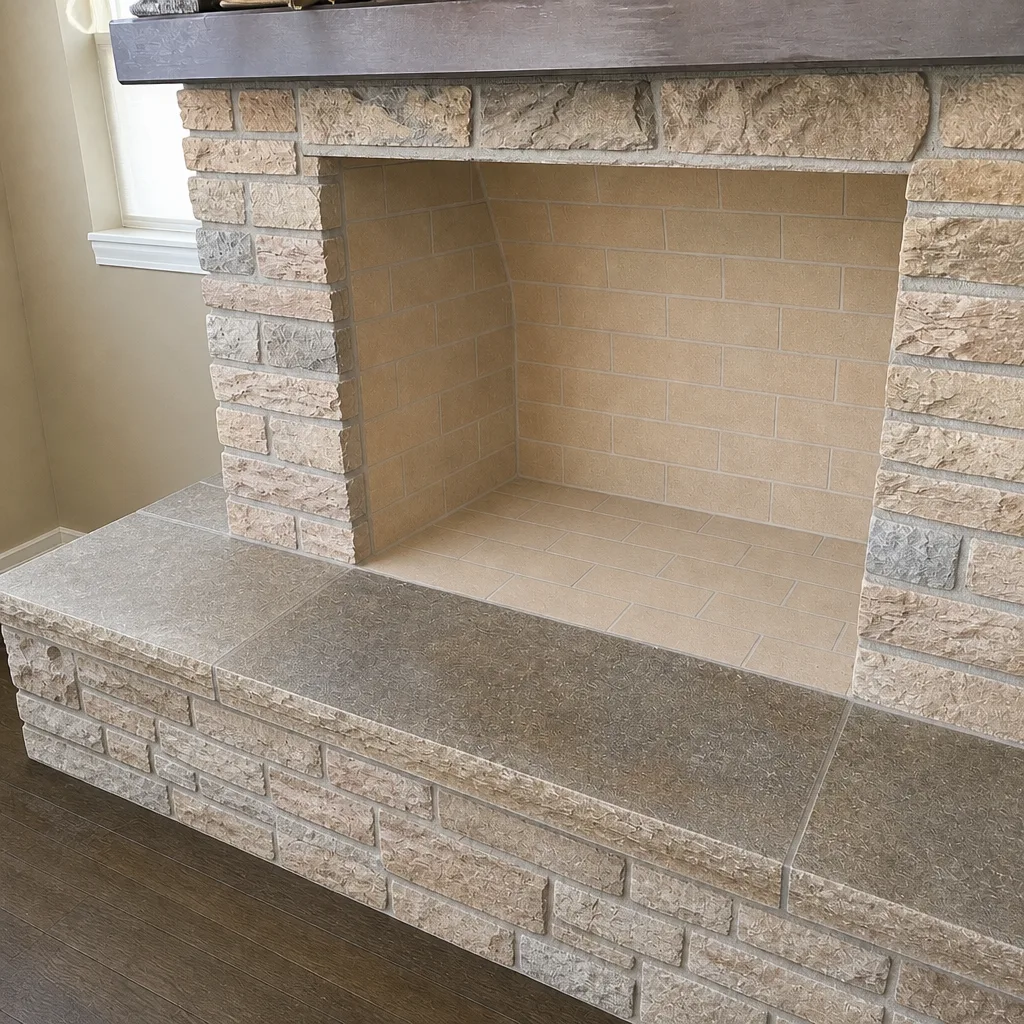
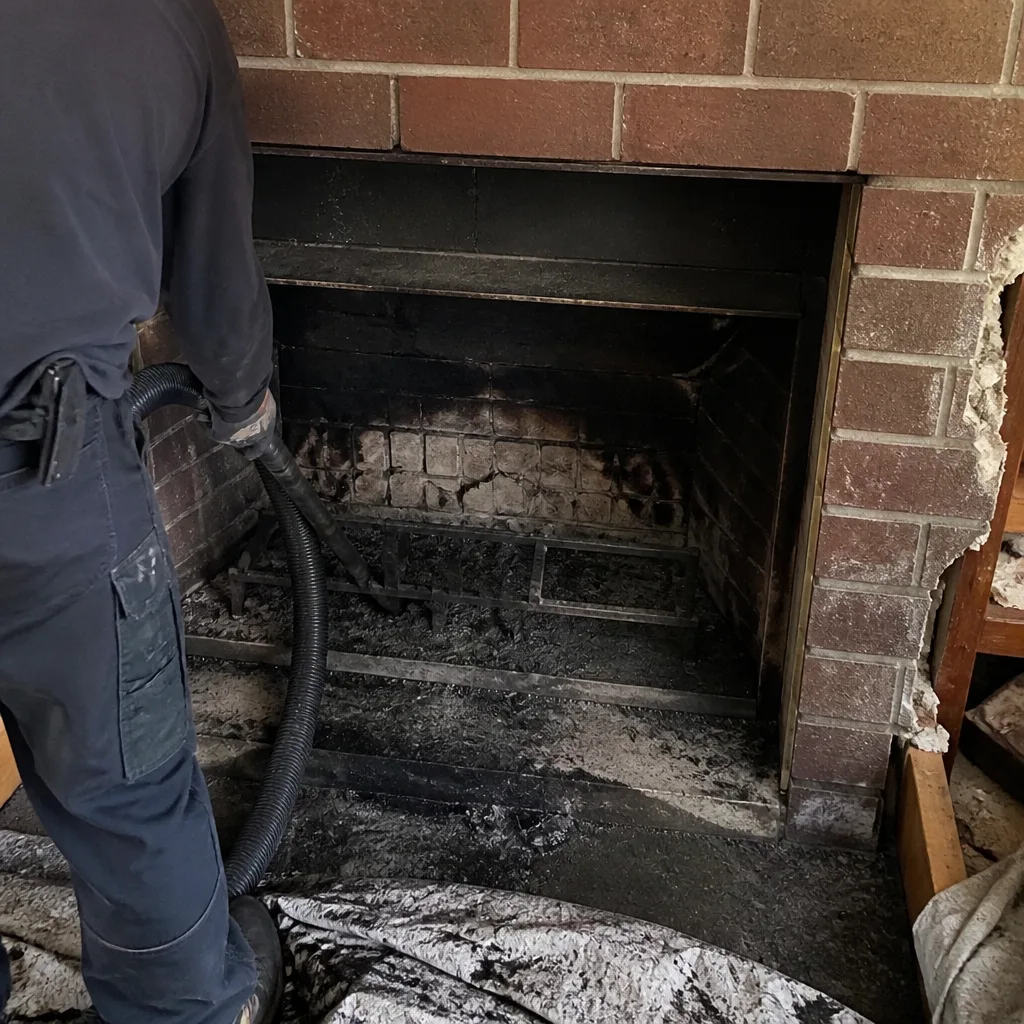
See the difference
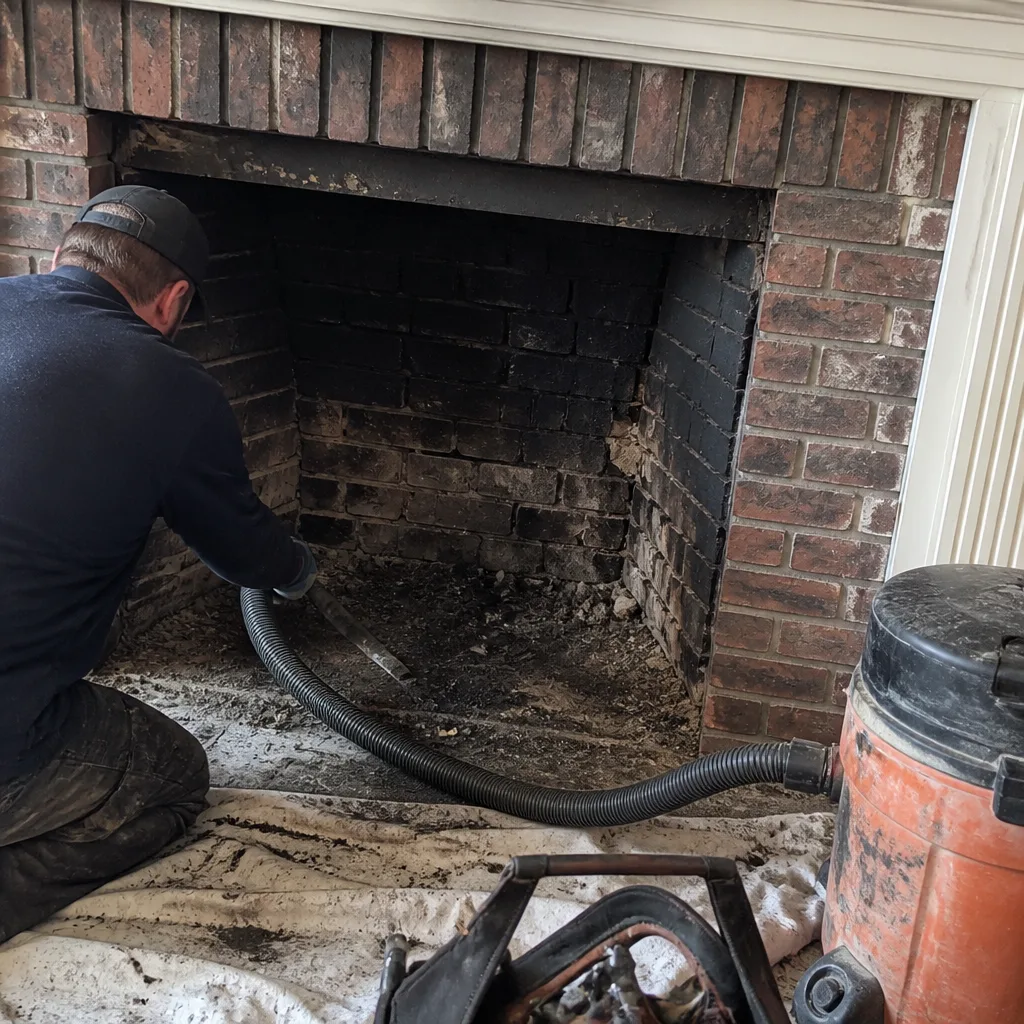 Before
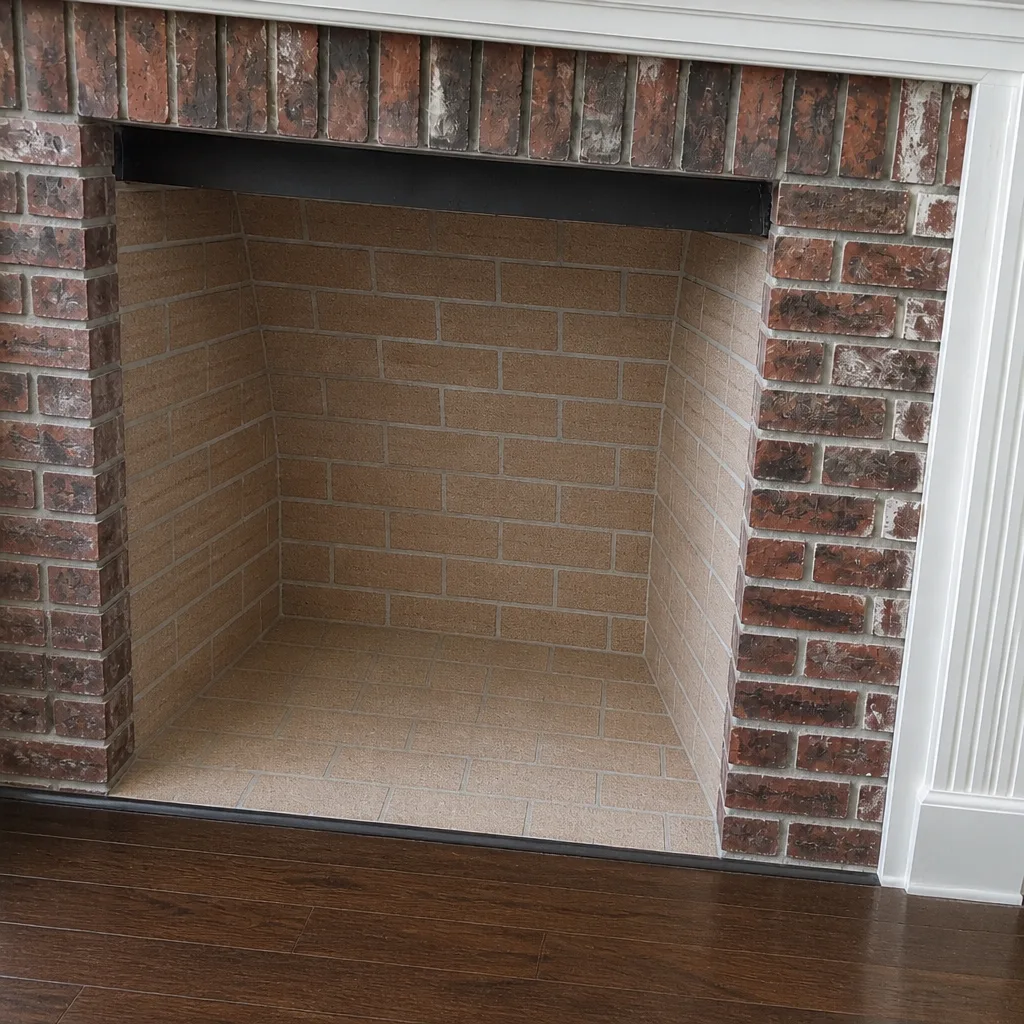 After
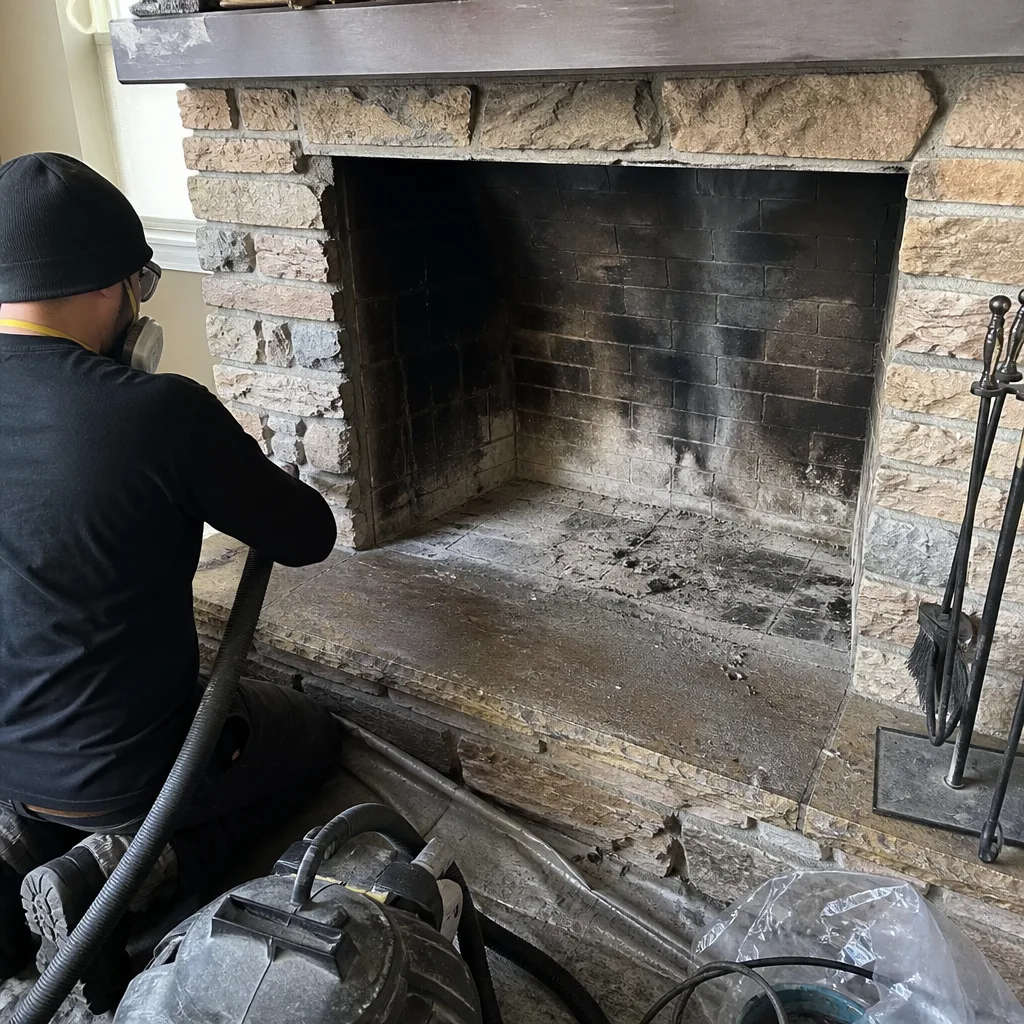 Before
 After
 Before
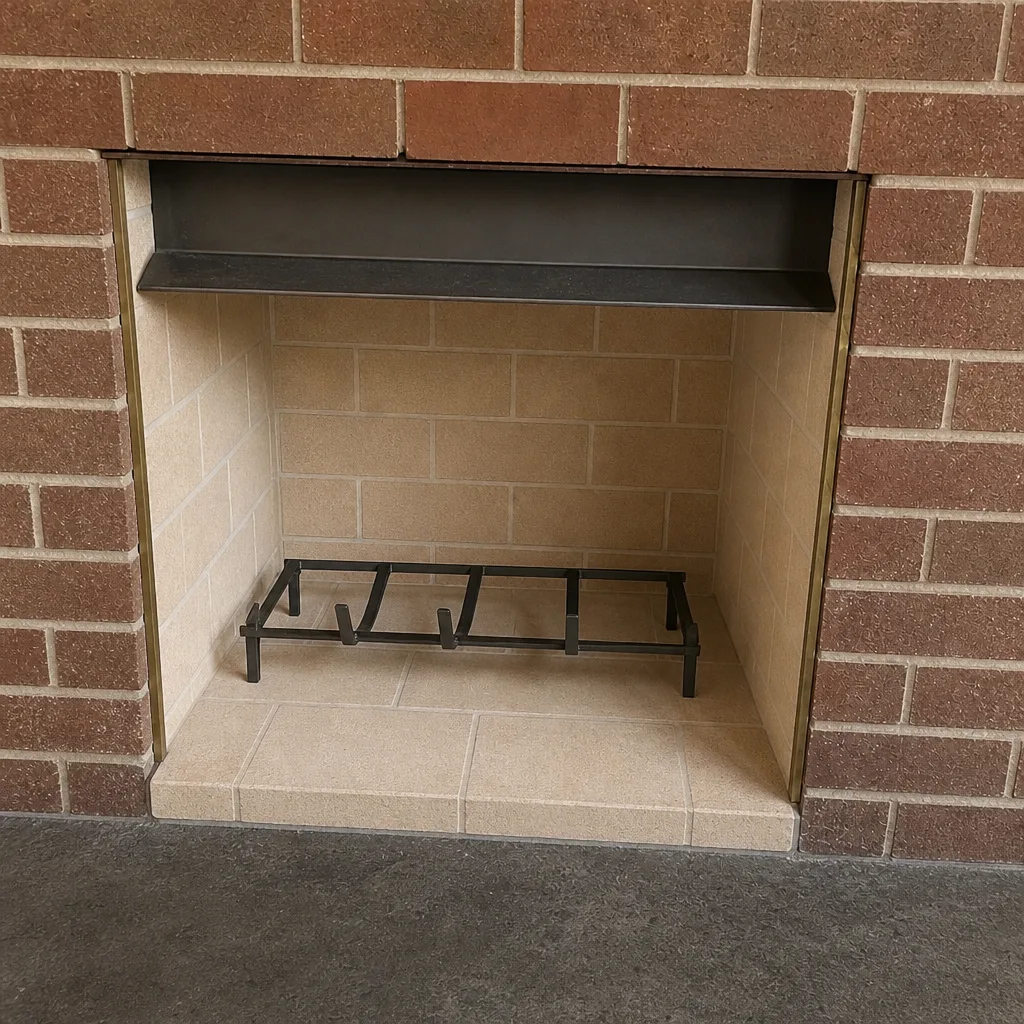 After
When to Call a Professional
Some chimney work is routine and can be scheduled. Some situations call for a professional visit without delay. Call us when you notice any of the following: a strong odor coming from the fireplace, especially in warm weather when the fireplace hasn’t been used; smoke rolling back into the room when you build a fire; visible crumbling, spalling, or missing mortar on the chimney exterior; a damaged or missing cap or crown; water stains on the ceiling or near the chimney chase; or a fireplace that hasn’t been serviced in several seasons. Call us if you’re buying a Federal Way home with a fireplace and want the system inspected before closing, or if your last chimney professional gave you a verbal recommendation you couldn’t verify. We answer 24/7. Fast dispatch from 7am to 7pm, Sunday through Friday. Chimney Sweep Federal Way offers free estimates in Federal Way – call (844) 625-7660.
Frequently Asked Questions
Look the business up in the Washington State Department of Labor & Industries contractor database and confirm the registration is active. Then ask for a certificate of insurance showing liability and workers’ compensation coverage. A registered contractor will provide both without hesitation. CSIA certification is a separate credential for sweeping and inspection, and you should ask about it too, but it doesn’t replace the state registration. Call (844) 625-7660 for an exact quote – estimates are free.
CSIA certification is a voluntary industry credential, not a state requirement. What Washington State requires is contractor registration through L&I, along with the insurance that goes with it. CSIA certification signals that a technician has passed an industry exam and follows a code of ethics for sweeping and inspection. It’s a useful marker, but it doesn’t cover repair work.
A written report should name the inspection level performed, list findings by component (flue, liner, crown, cap, damper, firebox), include photos or a clear description you can verify against, and separate urgent findings from those that can safely wait. If the contractor can’t produce a written report, treat that as a real gap. The report is what lets you make a repair decision with something to check.
Only an inspection can answer that. Cracked or deteriorated flue tile may be restorable with HeatShield ceramic resurfacing in qualifying systems, which avoids full relining. If the damage is more extensive, a flexible liner system like DuraFlex may be the practical route. A contractor who recommends a new liner should be able to show you why on camera or in photos. Ask to see the evidence before you agree to the work. Call (844) 625-7660 for an exact quote – estimates are free.
Sweeping frequency depends on how much you burn. A fireplace used regularly through the cooler months typically needs a cleaning each year, and the best timing is before the burning season starts. If the fireplace is used occasionally, the interval can be longer, but an annual inspection still makes sense. A cleaning is also the best time to catch crown and cap issues before the wet season does more damage.
Creosote builds up in the flue with continued use, and a heavy deposit raises the risk of a chimney fire. Separately, water entering through a failing cap or crown can damage masonry and flue tile over one or more wet seasons. Skipping service doesn’t cause an immediate failure in every case, but it allows small problems to become larger ones. A scheduled inspection with a written report is the way to know where your system actually stands. Call (844) 625-7660 for an exact quote – estimates are free.
Yes, and that’s the reason to ask. A full-service chimney contractor handles sweeping, inspection, fireplace repair, chimney repair, and cap and crown work without referring out. We work with DuraFlex, HeatShield, Gelco, Olympia Chimney, Famco, and Copperfield on the repair side, so the diagnosis and the fix stay with the same team. If a contractor can only clean and refers everything else, you’ll pay twice.
The Bottom Line
Hiring a chimney contractor in Federal Way comes down to verifying three things: state licensing through L&I, liability and workers’ comp insurance, and the capability to repair what the inspection finds. CSIA certification is worth asking about, but it covers sweeping and inspection and not structural repair. Insist on a written post-inspection report, ask which product lines the contractor installs, and treat a repair quote with no itemization or inspection level as a red flag. A full-service specialist with the right brand relationships closes the whole job in one engagement. A sweep shop hands you a card when the real work starts. That gap is what costs homeowners twice. Call (844) 625-7660. We answer 24/7. Fast dispatch from 7am to 7pm, Sunday through Friday. Estimates are free, and the written estimate sets the final price.
Written by the team at Chimney Sweep Federal Way.