
Last updated November 24, 2026
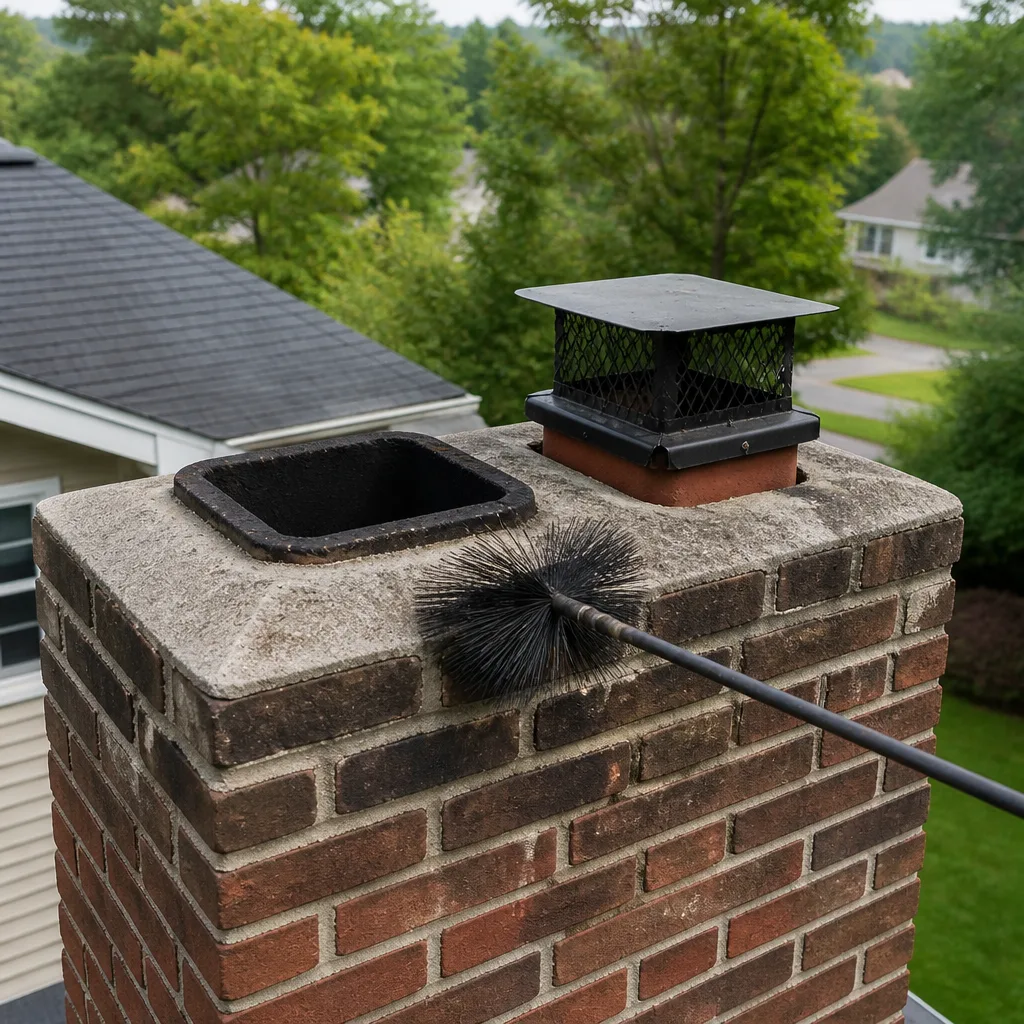 Sweep & inspection
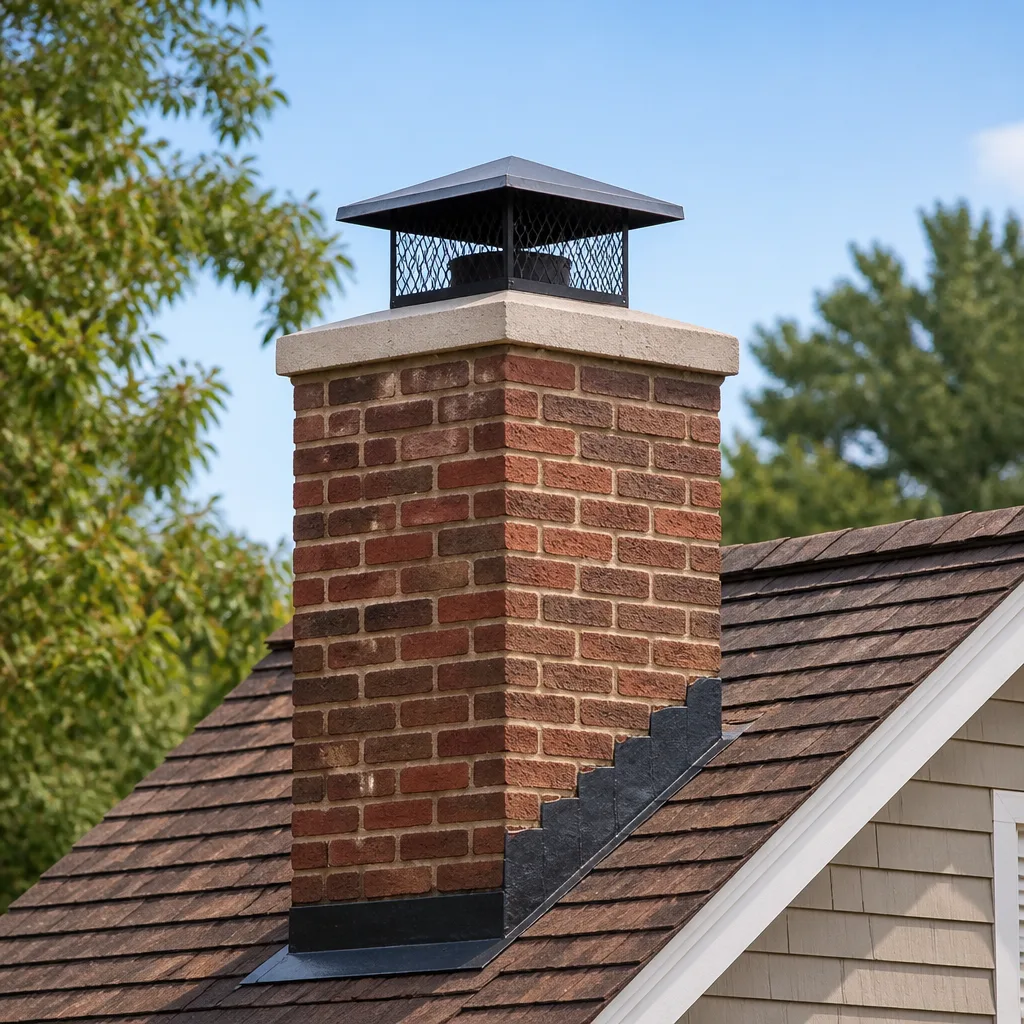 Caps & crowns
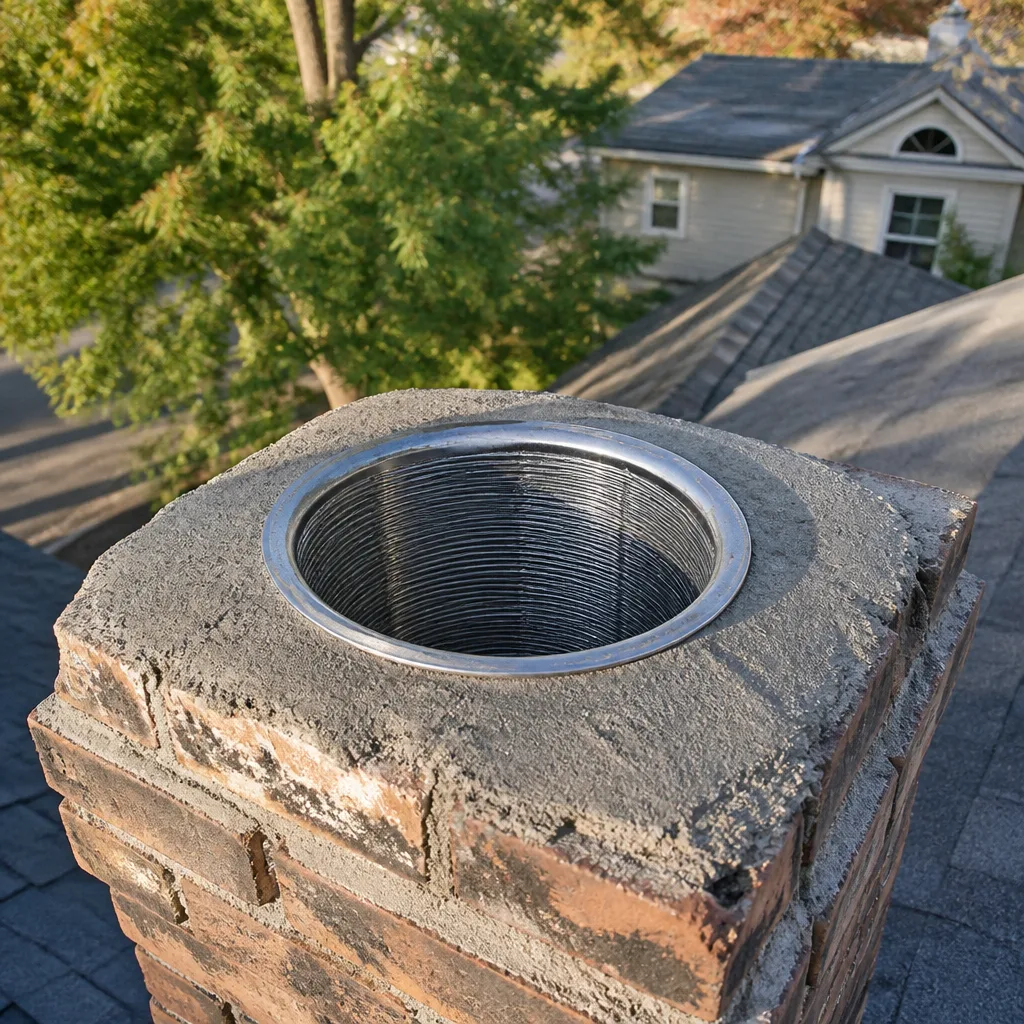 Flue relining
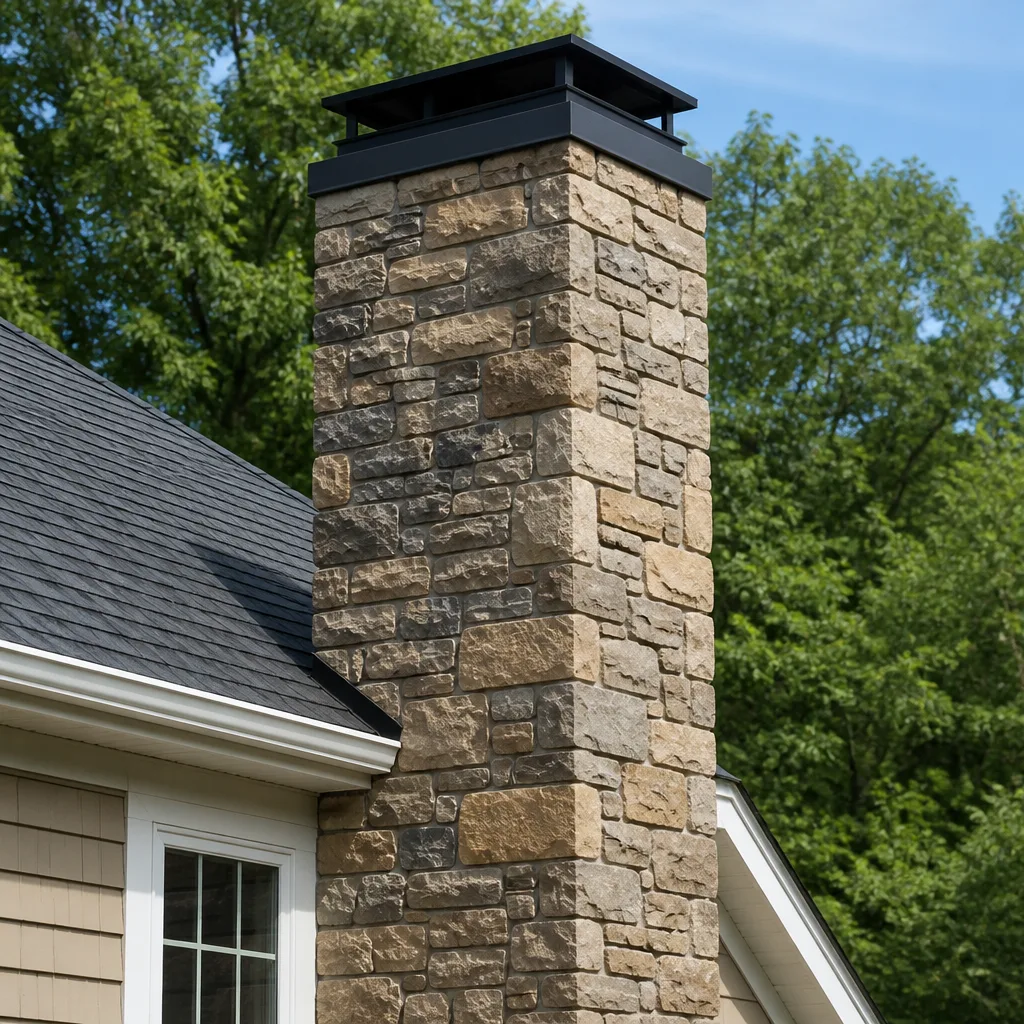 Masonry repair
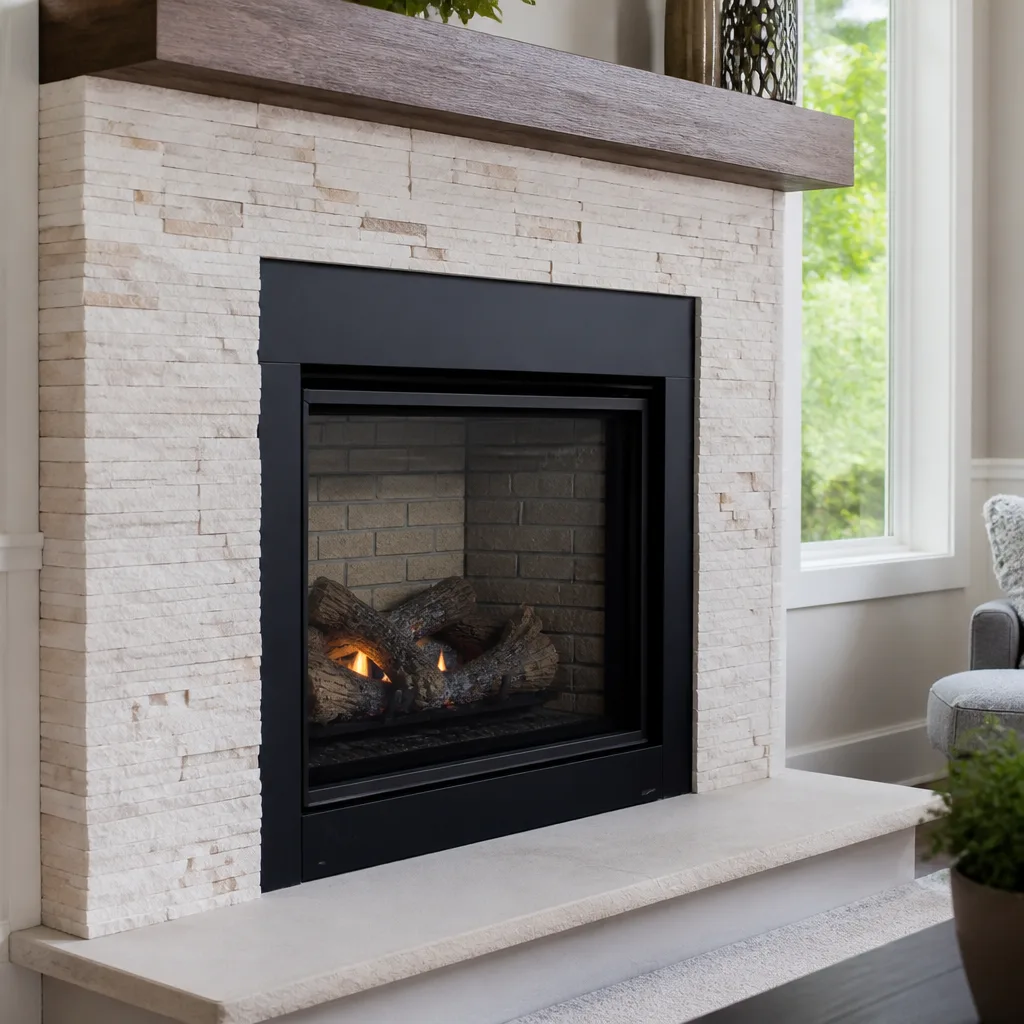 Gas fireplace service
Level 1 sweep and inspection to the NFPA 211 annual standard - flue, crown, cap, and flashing checked and photographed
Chimney sweep logs do not sweep chimneys. They loosen some creosote - which then falls where a brush and vacuum still have to collect it.
The Complete Guide to Chimney Cleaning in Federal Way
Most chimney fires in the Pacific Northwest don’t start because a homeowner skipped cleaning. They start because cleaning happened without anyone checking what the creosote buildup was hiding. A flue can come out looking spotless on the brush and still have a cracked tile, a failed crown, or glazed deposits fused to the liner wall that no sweep alone will fix. In Federal Way, where the wet season runs long and the wood burns damp, that gap between “clean” and “safe” is where real problems live. This guide walks through what a full-system clean actually involves, how to read the report afterward, and how to tell a cleaning from a diagnosis.
Quick Answer
Chimney cleaning in Federal Way is a full-system inspection and diagnostic service, not just a brush-down of the flue. A proper cleaning includes an NFPA 211 inspection, removal of soot and creosote, and a written report on the condition of the flue, liner, crown, cap, and firebox. The cleaning itself is the entry point; what the technician finds during it determines what work is actually needed next.
Styles & brands we work with
- Sweep & inspection
- Caps & crowns
- Flue relining
- Masonry repair
- Gas fireplace service
Table of Contents
- Why Federal Way’s Wet Climate Changes Chimney Cleaning
- Level 1, Level 2, and Level 3 Inspections Explained
- What Actually Happens During a Full-System Clean
- Rotary Whip vs. Brush: When Each Method Applies
- How to Read a Post-Cleaning Report
- Gas Fireplace Flues Still Need Annual Cleaning
- How Often Should a Federal Way Chimney Be Cleaned?
- Clearance, Crown, and Cap: What Cleaning Reveals
Why Federal Way’s Wet Climate Changes Chimney Cleaning
Creosote doesn’t form the same way everywhere. In dry, high-desert climates, wood seasons fast and burns hot, and the deposits that accumulate in a flue tend to stay in the powdery Stage 1 range. In Federal Way, the equation is different. The wet season drags from late fall into spring, firewood stored outdoors absorbs moisture, and homeowners burn longer and cooler than they would in a drier place. Cool flue temperatures plus high-moisture fuel is precisely the recipe for glazed creosote, the hard, tarry Stage 2 and Stage 3 deposits that bond to the liner wall and won’t come off with a simple brush.
We’ve seen how the local pattern plays out. A homeowner in a neighborhood near Dash Point or Twin Lakes burns through a cord of wood over a winter, and by March the flue is coated in a layer of Stage 2 creosote that formed because the fire never got hot enough to burn it off. The cleaning isn’t hard. The problem is what the glazing conceals: hairline cracks in the clay tile underneath, corrosion on a metal liner, or a crown that’s been leaking all winter. Federal Way’s climate makes the glazing layer thicker, which makes the diagnostic step more important, not less.
There’s a practical takeaway here. Buy firewood early enough to season it properly, store it under cover and off the ground, and burn hot fires rather than long smoldering ones. Those habits slow creosote formation. They don’t eliminate it. Every wood-burning chimney in Federal Way still needs an annual cleaning and inspection, because the deposits accumulate whether you burn carefully or not.
Level 1, Level 2, and Level 3 Inspections Explained
The National Fire Protection Association’s standard 211 defines three inspection levels, and knowing which one applies to your situation helps you understand what a technician is doing. A cleaning visit usually includes a Level 1, but a Level 2 is often warranted when the situation calls for it. Here’s how the three break down.
Level 1 Inspection
A Level 1 is the baseline. It covers the readily accessible portions of the chimney and fireplace: the firebox, damper, smoke chamber, flue, and any visible exterior components. It’s what gets performed during a routine cleaning when nothing has changed in the system since the last visit. If your setup is unchanged and your last inspection was thorough, a Level 1 is usually enough.
Level 2 Inspection
A Level 2 goes deeper. It covers everything in a Level 1 plus accessible portions of the attic, crawlspace, and any connected appliance. It’s required when a property changes hands, when a fuel source or appliance changes, when an event has occurred (a chimney fire, an earthquake, a severe storm), or when there’s evidence of a problem that the Level 1 couldn’t resolve. In Federal Way, a Level 2 is common after a long-neglected fireplace gets back into regular use, because the system’s condition is unknown and the accessible areas beyond the firebox need checking.
Level 3 Inspection
A Level 3 is diagnostic and invasive. It’s performed when a Level 1 or Level 2 has turned up a problem that can’t be resolved without opening concealed spaces, like removing a section of wall to inspect hidden chimney components. In our experience, a Level 3 is rare, and it’s only warranted when there’s a specific, identified concern.
- Level 1 – routine annual cleaning, no changes to the system.
- Level 2 – new appliance, home sale, chimney fire, or unresolved concern.
- Level 3 – a known problem behind a concealed space.
If you’re booking a cleaning and you’re not sure which level applies, tell us upfront. We’ll ask a few questions and recommend the right level before anyone gets on the roof. The chimney sweep service covers inspection as part of the visit, so you’re not paying separately for a routine check.
What Actually Happens During a Full-System Clean
“Chimney cleaning” gets used loosely. In our experience, a full-system clean follows a defined sequence, and the difference between a full-system clean and a quick brush-down shows up in the report at the end. Here’s the sequence.
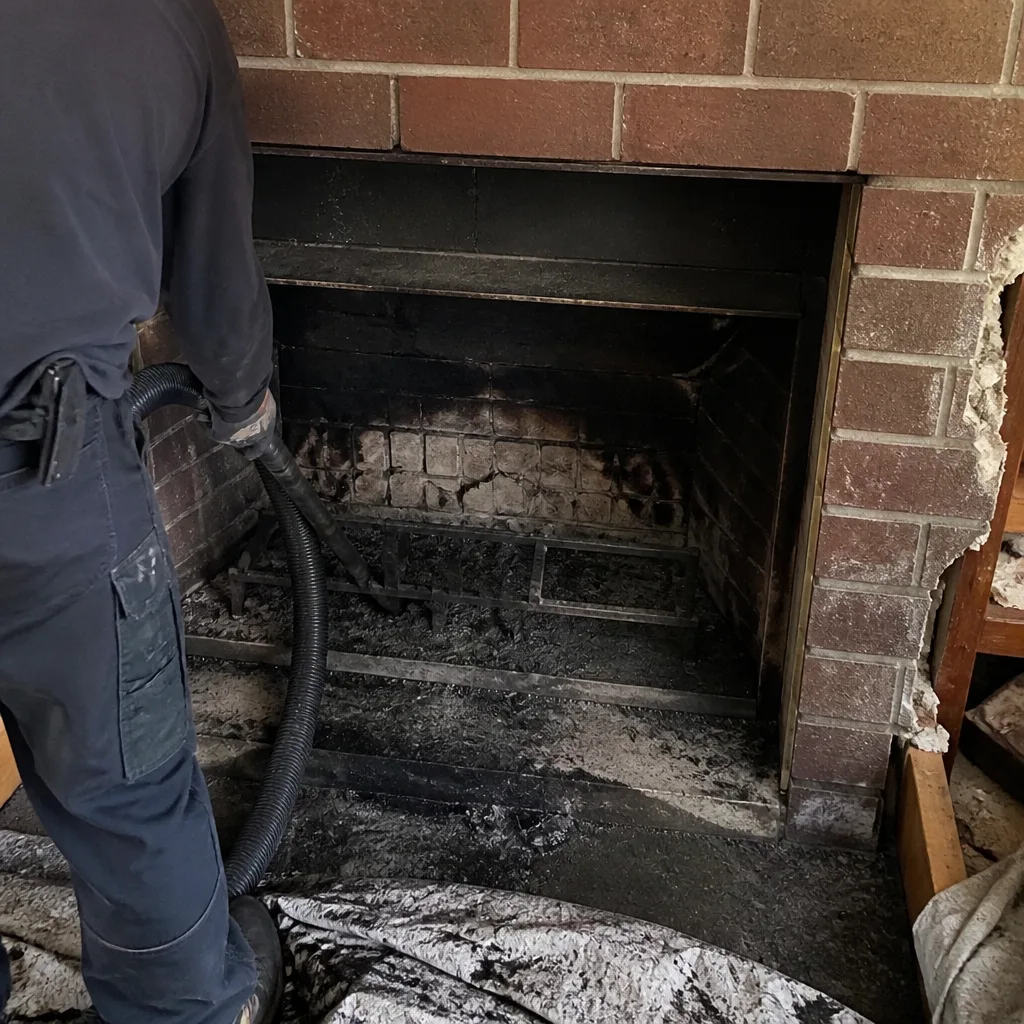
- Set up protection. We lay drop cloths around the hearth and work area, seal the firebox opening with a dust-containment system, and set up a HEPA vacuum to pull airborne soot out of the room. Federal Way homes with finished living spaces around the fireplace need this step; a dirty sweep makes a bigger mess than it fixes.
- Inspect the accessible system. Before cleaning, we look at the firebox, damper, smoke shelf, flue, crown, and cap. The inspection tells us what cleaning method will work and whether anything needs to be documented before deposits come off.
- Remove the creosote. The method depends on the deposit stage (more on that below). We use rotary whips for glazed buildup and brushes for looser soot, and we work top-down or bottom-up depending on the flue’s configuration.
- Clean the firebox and smoke chamber. Soot collects outside the flue too. The smoke chamber’s sloped walls get scraped and swept, and the firebox floor and walls get cleared.
- Inspect what the cleaning revealed. This is the step sweep-only companies often skip. Once the flue is clear, we camera-inspect the liner, check the crown for cracks, verify the cap is intact and correctly sized, and look at the mortar joints.
- Write the report and walk you through it. We document what we found with photos and explain which items need attention now, which can wait a season, and which are just monitoring items.
Cleaning the flue without the inspection step leaves you with a clean chimney of unknown condition. That’s the gap this whole guide exists to close.
Rotary Whip vs. Brush: When Each Method Applies
The choice between a rotary whip and a traditional brush isn’t preference. It’s dictated by the creosote stage, and using the wrong method can leave deposits behind or, worse, crack a clay tile. Here’s how the two compare.
Traditional brushes
A chimney brush is a set of stiff polypropylene or wire bristles sized to the flue. It works by mechanical scraping as it’s pushed and pulled through the flue. Brushes are the right tool for Stage 1 creosote (flaky, soot-like deposits) and for routine maintenance cleaning where the flue isn’t heavily fouled. They’re gentler on clay tile liners and work well for straight, standard-diameter flues.
Rotary whips
A rotary whip is a spinning head attached to a flexible rod or cable. It’s driven by a drill or motor and turns at high speed against the flue wall, grinding away deposits a brush can’t touch. Rotary whips are the tool for Stage 2 and Stage 3 glazed creosote, which is hard, tarry, and bonded to the liner. In Federal Way’s wet climate, where glazing is common, rotary whips get more use than they would in drier regions. The whip also lets us reach offset flues and irregular configurations where a straight brush won’t track.
- Stage 1 creosote – brush. Powdery, flaky, easy to remove.
- Stage 2 creosote – rotary whip. Hard, crusty, bonded to the wall.
- Stage 3 creosote – rotary whip, often followed by restorative treatment. Glazed, tarry, thick.
There’s a limit to what cleaning can fix. If the glazing is thick enough that removing it would damage the liner, the flue may need resurfacing rather than repeated cleaning. That’s where HeatShield comes in: a ceramic resurfacing system that restores deteriorating clay tile without a full reline in qualifying systems. If your cleaning report flags glazed creosote that won’t clear, ask whether HeatShield applies.
If the liner itself is compromised, DuraFlex flexible liner systems handle offset and complex flues that rigid-liner installers turn down. The right answer depends on the diagnosis, and the diagnosis depends on a proper cleaning and inspection.
How to Read a Post-Cleaning Report
The report at the end of a cleaning is the most important document you’ll get from any chimney service. It’s also the one most homeowners skim and file away without understanding. Here’s how to read it.
A good report organizes findings by urgency. We use three categories.
- Immediate – fix before the next fire. These are findings that pose a real hazard: cracked or displaced flue tiles, a failed liner, a blocked flue, a crown cracked through to the flue, or a missing cap. A blocked flue is the one to take seriously; it’s a carbon monoxide risk for any appliance venting through it.
- Next season – plan for it. These need attention but not this week. Deteriorated mortar joints, a cap that’s dented but still intact, minor crown spalling, or creosote that’s building faster than it should and points to a burning-habit change.
- Monitor – check at the next visit. These are watch items that haven’t reached a repair threshold: a hairline crack in one tile, a slightly deteriorated crown edge, or a damper that’s stiff but functional.
The report should include photos. If a technician tells you your liner needs replacing and can’t show you the evidence, push back. Our reports include the camera image and the photo of what we found, so you can see what we saw. That matters more in Federal Way than in a lot of places, because the wet climate produces a specific pattern of wear (bottom-up moisture damage near the crown, efflorescence on the exterior brick) that’s easy to see in a photo and easy to describe vaguely in words.
If the report recommends repair, ask what happens if you wait a season. Some items genuinely can wait. Others can’t. A good technician will tell you which is which rather than pushing every finding into the “now” column.
Gas Fireplace Flues Still Need Annual Cleaning
Gas fireplaces don’t produce creosote the way wood does, so the assumption that they don’t need cleaning is common and wrong. Gas appliances produce a different kind of deposit, and they still need annual attention. The venting system can collect dust, debris, insect nests, and the byproducts of incomplete combustion. A blocked or partially blocked gas flue is a carbon monoxide risk, and the only way to catch a problem early is an annual inspection.
In Federal Way, gas fireplaces are common in newer construction and in conversions from wood. The cleaning they need is lighter than a wood flue’s, but the inspection is every bit as important. We check the vent pipe, the termination cap, and the appliance connection, and we verify the cap isn’t blocked by debris or birds’ nests. If the fireplace has a glass front, dust buildup on the glass and inside the firebox is normal and gets cleaned as part of the visit.
For gas inserts and log sets, we also check the burners and the pilot assembly. Those are parts of the fireplace system, not the flue, but the same visit covers them. The point is that “gas doesn’t need cleaning” is a shortcut that skips the inspection, and the inspection is where carbon monoxide problems get caught.
How Often Should a Federal Way Chimney Be Cleaned?
The rule most professionals use is an annual inspection, with cleaning performed when the deposits warrant it. For a wood-burning fireplace used regularly through the Federal Way wet season, that usually means a yearly cleaning. For a gas fireplace, an annual inspection with cleaning as needed is the standard. For a chimney that hasn’t been used in years, the first visit should include a full inspection before any fire is lit.
The variables that push toward a sooner cleaning include burning unseasoned wood, burning long, slow, smoldering fires, and using the fireplace heavily through the winter. The variables that let you stretch the interval include a well-seasoned fuel supply, hot fires, and a flue that drafts correctly. Even with all the good habits in place, the creosote layer builds. It just builds more slowly.
There’s one more thing to check. The stage of creosote matters more than the thickness. A thin layer of glazed Stage 2 creosote is a bigger concern than a thick layer of flaky Stage 1, because the glazed layer fuses to the liner and conceals what’s underneath. If a cleaning reveals that you’ve been running at Stage 2 for a while, the interval until the next cleaning may need to be shorter.
Clearance, Crown, and Cap: What Cleaning Reveals
Federal Way’s wet climate attacks a chimney from the top down. Water gets into the flue through two main entry points, and the cleaning visit is when both get checked.
The crown
The crown is the sloped concrete cap at the top of the chimney. Its job is to shed water away from the flue. When the crown cracks, water runs down the outside of the flue and into the masonry, and the freeze-thaw cycle that follows widens the crack and damages the tile. A cracked crown is one of the most common findings we document in Federal Way. The repair is straightforward when it’s caught early: a crown repair or replacement that reseals the top.
The cap
The chimney cap is the metal cover that sits on top of the flue, and it does two jobs: it keeps rain and animals out, and it improves draft by keeping the termination clear of downdrafts. A missing, rusted, or incorrectly sized cap lets water straight into the flue. Most of the water damage we see in Federal Way’s older chimneys traces back to a cap problem. We install caps from manufacturers like Gelco and Famco, which produce termination caps and venting components that hold up to the local weather.
The connection between the crown, cap, and cleaning is direct. A cleaning visit is the only time someone is physically on the roof looking at both. If a sweep-only service cleans the flue and never inspects the crown and cap, the two most common water entry points go unchecked, and the next wet season does the damage. That’s why our chimney repair service and our cap and crown work are part of the same conversation as a cleaning, not a separate call months later.
Common Mistakes to Avoid
- Treating a cleaning as the whole job. A flue that’s swept but not inspected tells you nothing about its condition. The inspection is where the value is.
- Skipping the annual visit because the chimney “looks fine” from inside. In Federal Way, the damage happens at the crown and cap, on the roof, which you can’t see from the living room.
- Burning unseasoned wood to save money. Wet wood burns cool and deposits more creosote. It’s the single biggest driver of Stage 2 buildup we see in Federal Way.
- Ignoring a cracked crown for a season. A hairline crack becomes a wide crack after a freeze-thaw cycle, and the repair cost goes up with it.
- Letting a “sweep” sell you a liner without showing you the camera image. If the evidence isn’t visible, the recommendation isn’t verifiable.
- Assuming a gas fireplace doesn’t need cleaning. It needs an annual inspection for blockages and carbon monoxide risk, even though it produces far less creosote.
- Relighting a fireplace that hasn’t been used in years without an inspection first. A dormant flue can develop animal nests, blockages, or liner damage that only shows up during an inspection.
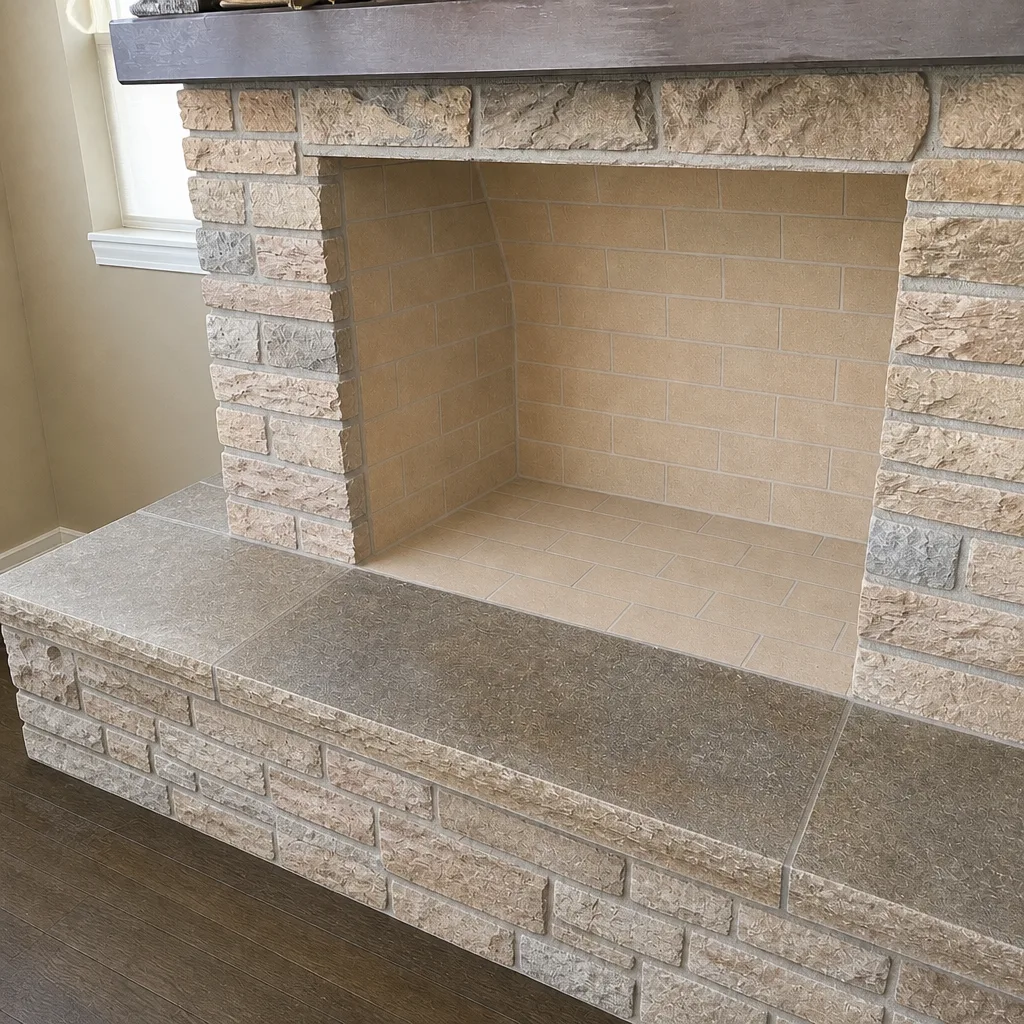
See the difference
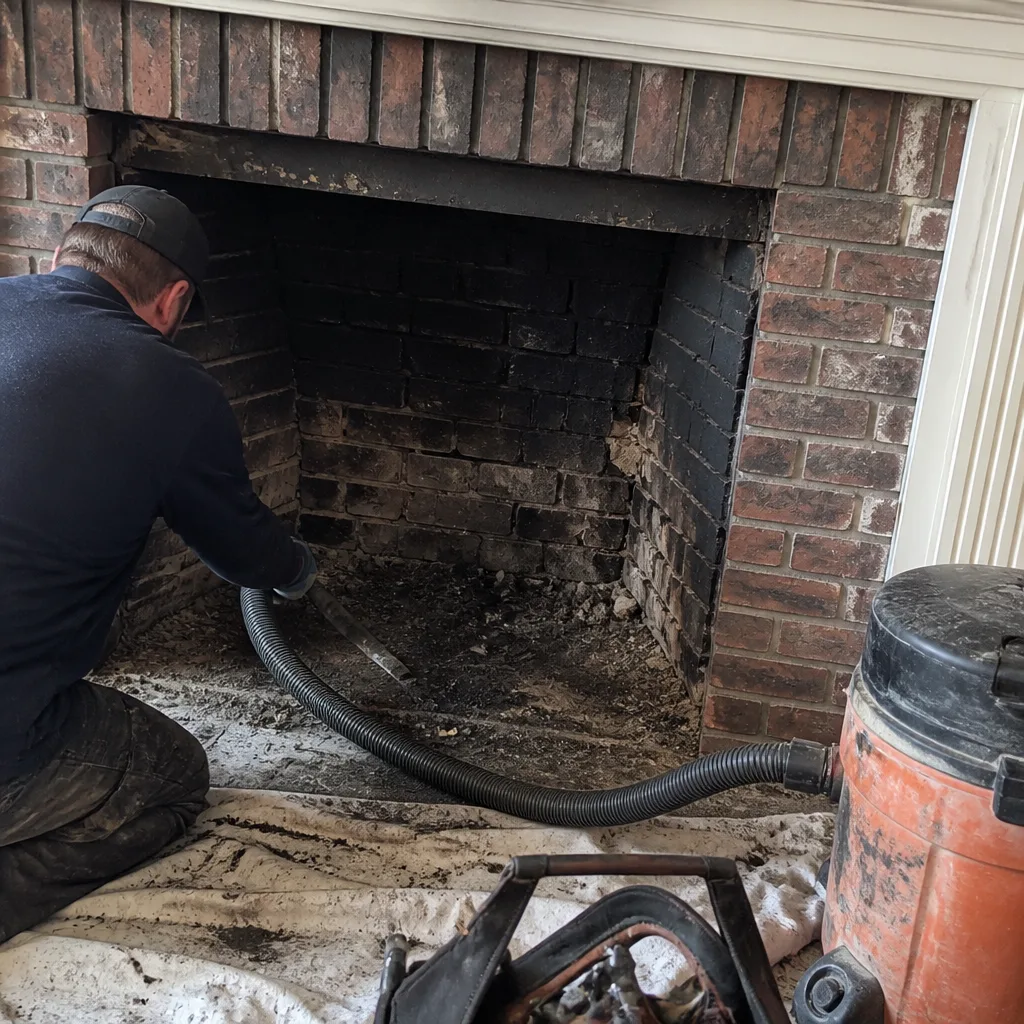 Before
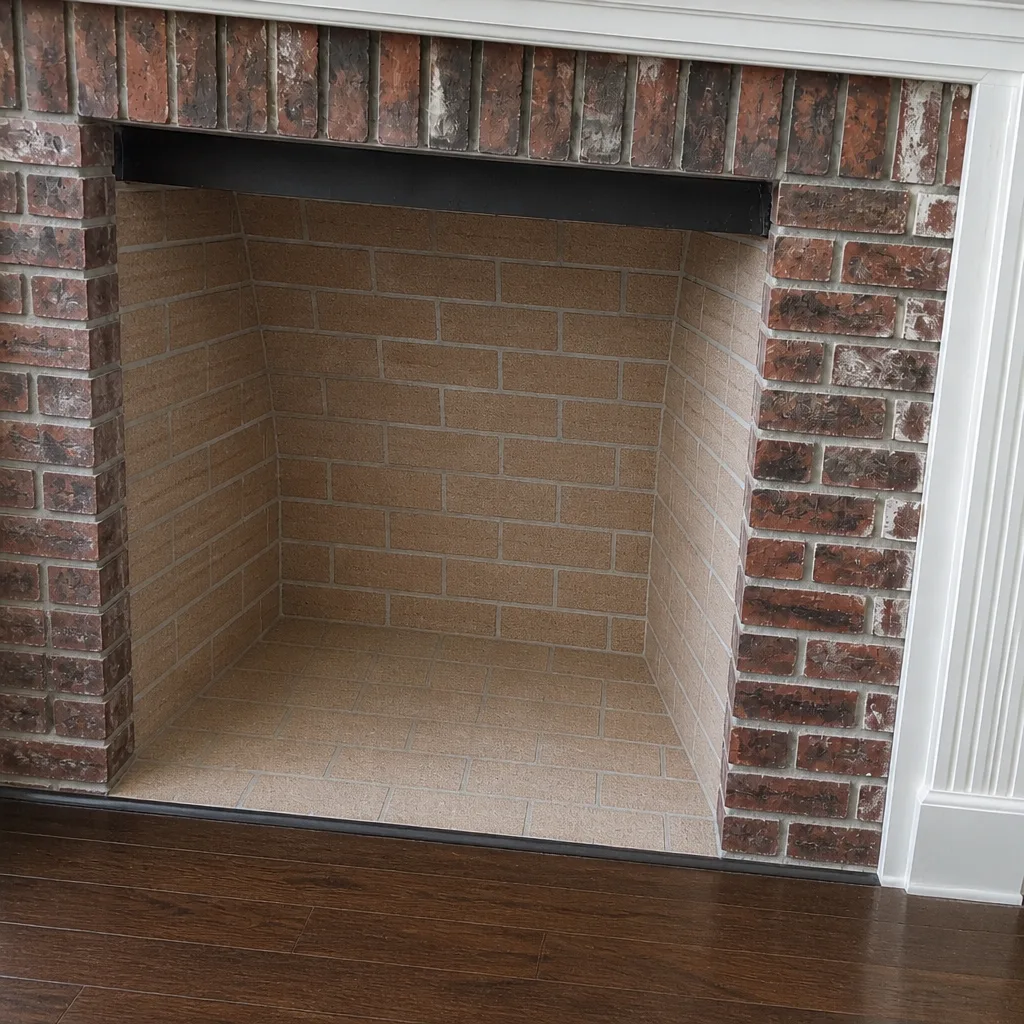 After
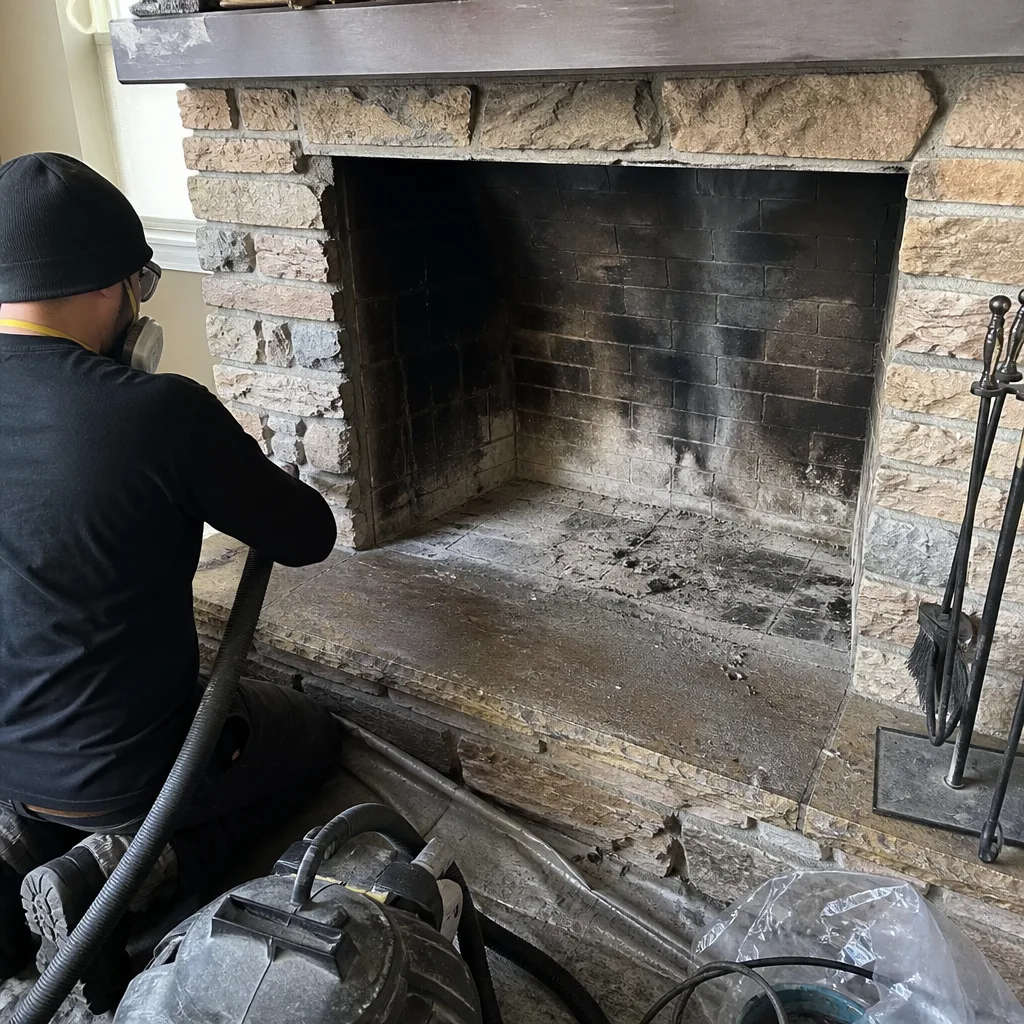 Before
 After
 Before
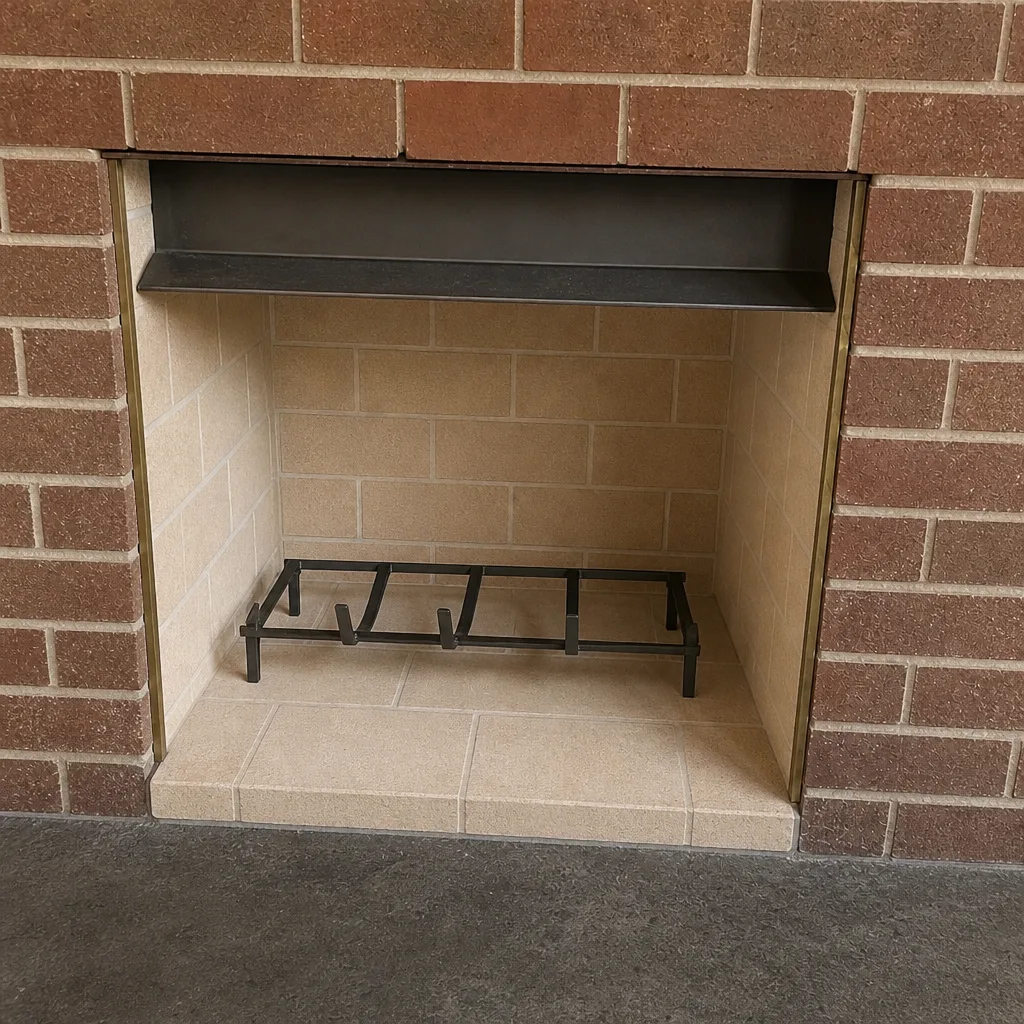 After
When to Call a Professional
Some chimney work is a phone call. Others can wait for the annual visit. Call a professional when you smell a strong creosote odor in the house, especially on warm days when the flue reverses; when smoke rolls back into the room instead of going up; when you see visible damage to the crown, cap, or exterior brick; when you’ve had a chimney fire, even a small one; or when the fireplace hasn’t been serviced in years and you’re ready to use it again. Any of those means an inspection before the next fire, not after. A glazed flue, a cracked tile, or a compromised liner is not something to diagnose by looking up the flue with a flashlight. Chimney Sweep Federal Way offers free estimates in Federal Way. Call (844) 625-7660. We answer 24/7. Fast dispatch from 7am to 7pm, Sunday through Friday. The local pro is licensed and insured as their state requires, and the written estimate sets the final price.
Frequently Asked Questions
A standard chimney cleaning in Federal Way typically runs in the low-to-mid hundreds of dollars, and a cleaning that includes a Level 2 inspection costs more than a routine Level 1 visit. Complex flues, heavy glazed creosote, or a flue that needs restorative work after cleaning add cost. The written estimate sets the final price, and estimates are free. Call (844) 625-7660 for an exact quote.
Only if the inspection shows the existing liner is compromised, and you should see the camera evidence before you agree. A cracked clay tile, a corroded metal liner, or glazing too thick to remove without damage can all call for relining. But not every worn liner needs replacement. HeatShield ceramic resurfacing can restore qualifying clay-tile flues without a full reline, which is a middle option between cleaning and replacement. Ask whether your system qualifies before you commit to a liner.
Once a year for a wood-burning fireplace in regular use, with more frequent cleaning if you burn unseasoned wood or notice heavy creosote. Gas fireplaces need an annual inspection but usually less frequent cleaning. The annual inspection matters more than the cleaning interval itself. Call (844) 625-7660 to book the visit.
The creosote layer keeps building, and the crown and cap keep weathering, and neither shows any sign from inside the house. The risk you’re accepting is a chimney fire from accumulated creosote and water damage to the masonry from a failed crown or cap. It’s not an emergency on day one. It becomes one after a few seasons. Call (844) 625-7660 for an estimate before that happens.
The most common reason is fuel and burning habits, not the chimney itself. Unseasoned wood, cool smoldering fires, and a flue that drafts poorly all accelerate glazed creosote formation, and Federal Way’s long wet season makes all three more likely. A cleaning report will tell you which stage you’re at and what’s driving it.
Sometimes, depending on the flue configuration, but the crown and cap can’t be inspected from the ground, and those are the two top sources of water damage. A roof inspection is part of a full-system clean. If the roof access is unsafe, we’ll say so and explain what can still be checked from below.
The Bottom Line
Chimney cleaning in Federal Way is a system diagnosis, not a brush-down. The wet climate accelerates glazed creosote, the crown and cap are where water damage starts, and the inspection is where the real information lives. A full-system clean includes the NFPA 211 inspection, the rotary-whip or brush work matched to your creosote stage, and a written report you can read and act on. The report should tell you what needs fixing now, what can wait, and what to monitor. If a recommendation comes without visible evidence, ask for it. That’s the difference between a cleaning and a diagnostic. We carry and install the same brands professional chimney technicians specify, and one call covers the flue, liner, crown, and cap. Your flue, liner, crown, and cap need to be inspected together, not in isolation.
If it’s been more than a year since your last cleaning, or if you’ve noticed an odor, a draft problem, or visible wear, the next step is a visit. We tell you what we find, show you why it matters, and fix it with materials built for the job. Whether the outcome is a routine cleaning, a crown repair, or a conversation about fireplace repair, the diagnosis comes first. Call (844) 625-7660 for a free estimate. We answer 24/7. Fast dispatch from 7am to 7pm, Sunday through Friday. The written estimate sets the final price, and the estimate itself is free. For the parent service overview, start at Chimney Sweep Federal Way.
Written by the team at Chimney Sweep Federal Way.