
Last updated November 24, 2026
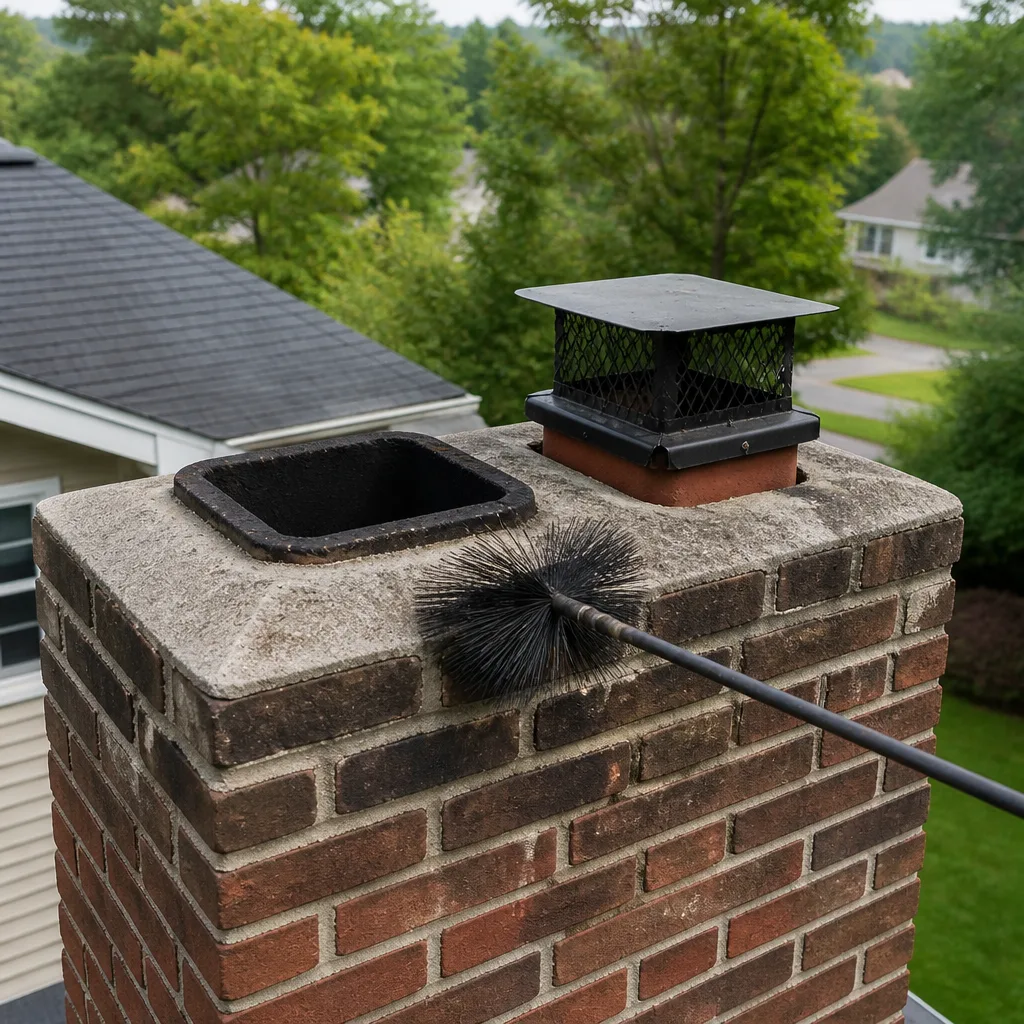 Sweep & inspection
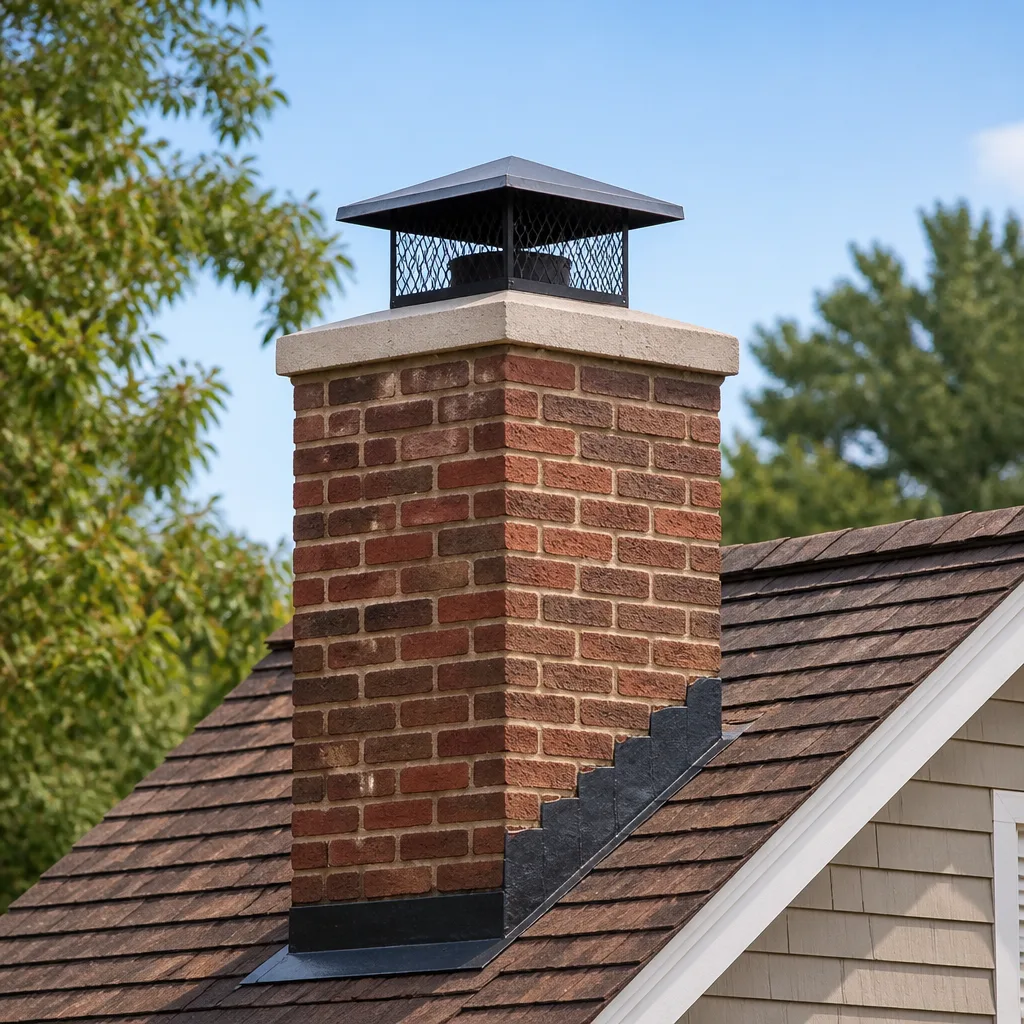 Caps & crowns
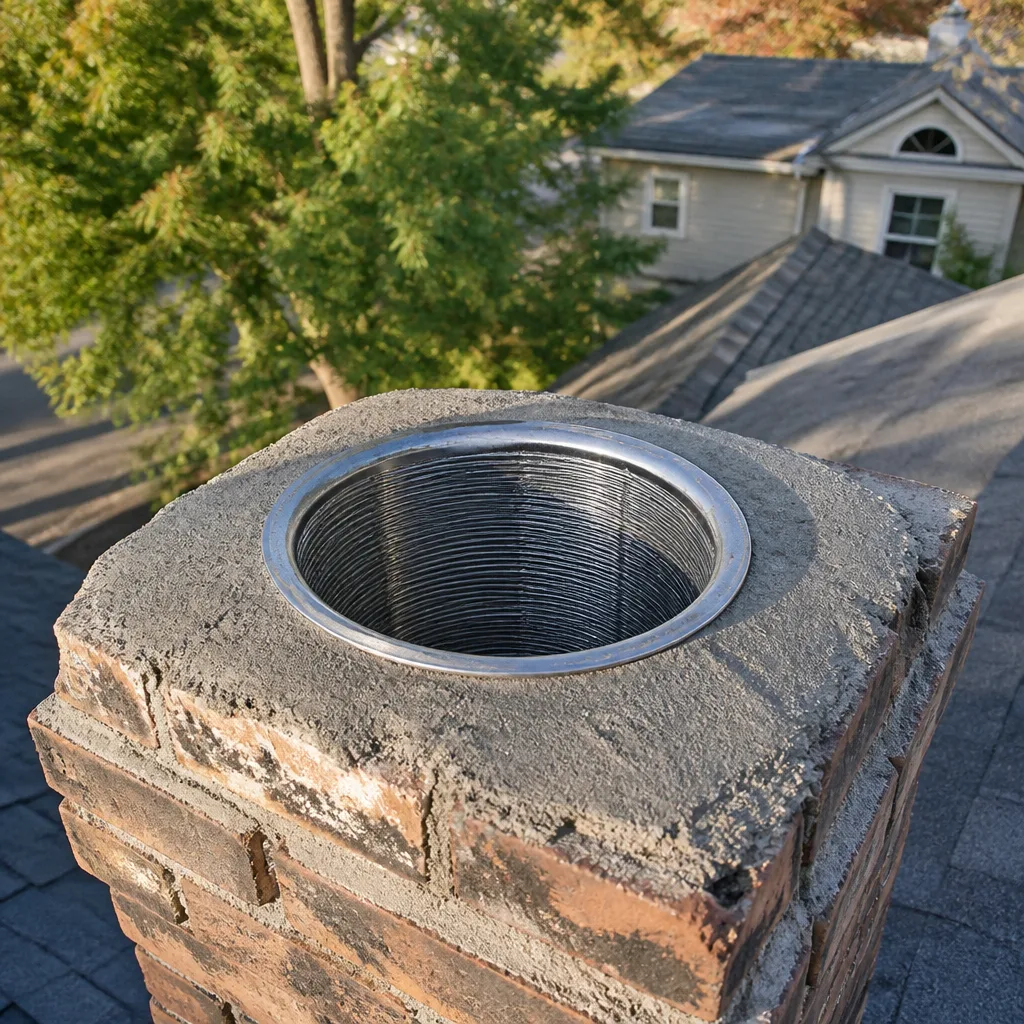 Flue relining
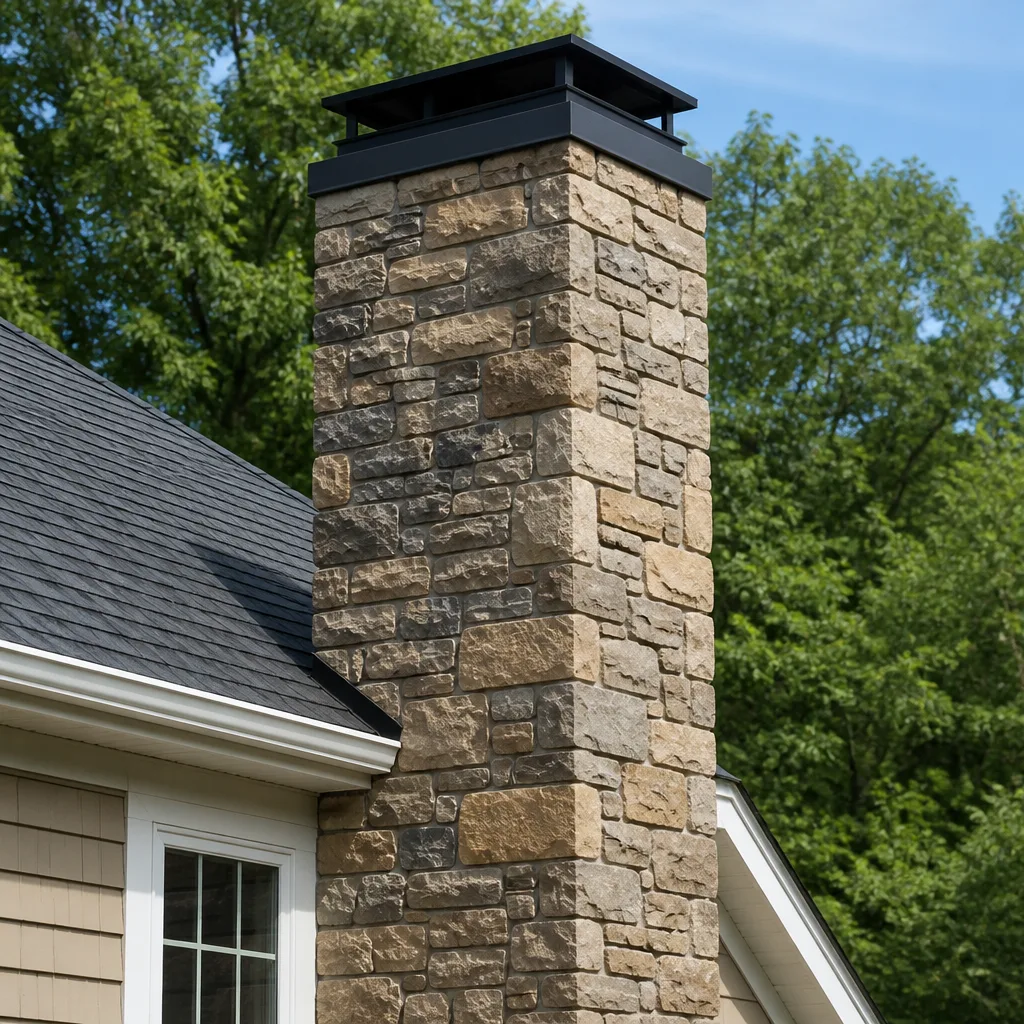 Masonry repair
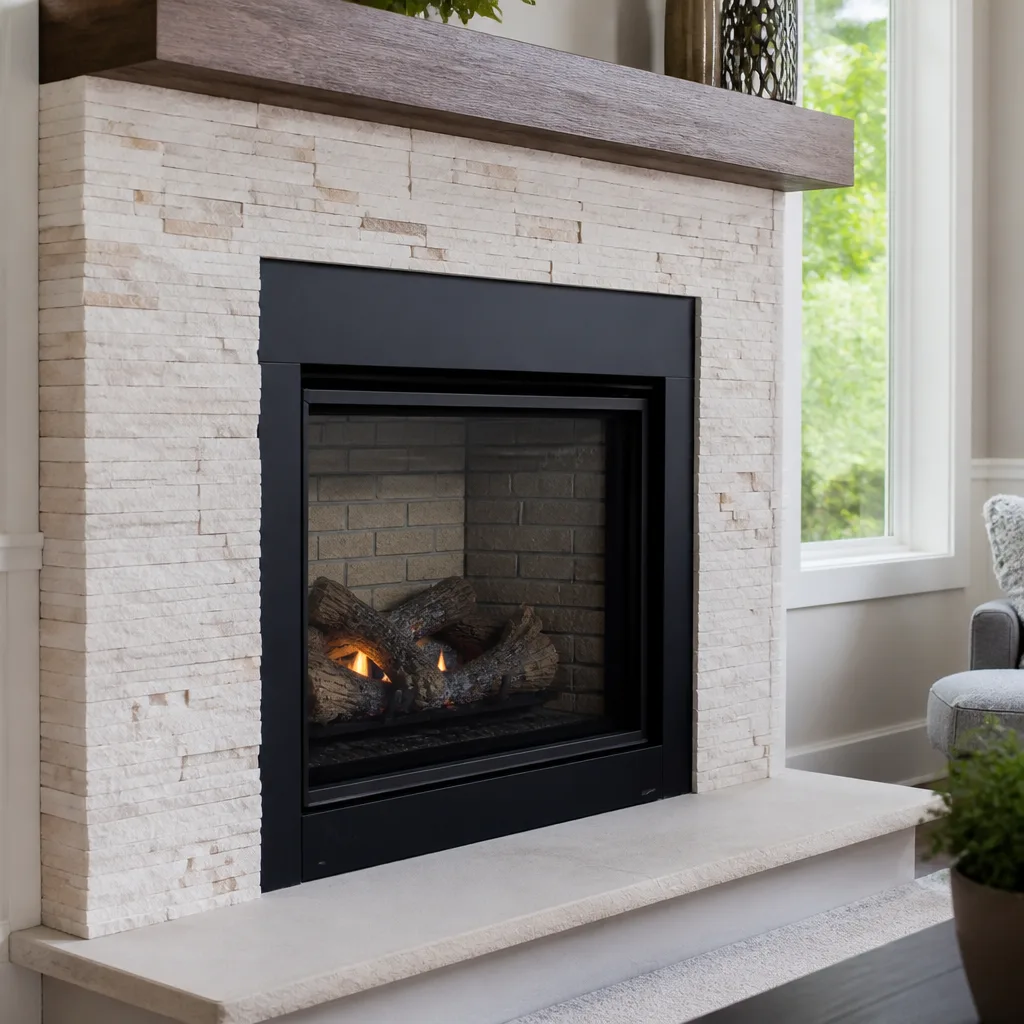 Gas fireplace service
Level 1 sweep and inspection to the NFPA 211 annual standard - flue, crown, cap, and flashing checked and photographed
Chimney sweep logs do not sweep chimneys. They loosen some creosote - which then falls where a brush and vacuum still have to collect it.
DIY vs Professional Chimney Cleaning: The Federal Way Homeowner’s Decision Guide
The chimney brush kits stacked at the hardware store are built for annual maintenance on a flue that’s already clean. They aren’t built for removing Stage 2 glazed creosote from a flue that hasn’t been serviced in four years, which is what most people who try this themselves actually face. The gap between what a $60 brush set can do and what a neglected Federal Way chimney needs is wider than the kit’s packaging suggests, and that gap is where most DIY attempts quietly fail. This guide walks through what self-cleaning can honestly accomplish, what it can’t, and how to figure out which category your chimney falls into before you climb a ladder in Federal Way. You’ll leave knowing whether your situation fits the narrow DIY profile or whether a professional sweep is the safer call.
Quick Answer
DIY chimney cleaning works for a narrow case: a straight flue, light fireplace use, dry soot and ash only, and a maintenance history that’s been kept up. Everything else, especially glazed creosote, cracked flue tile, or a flue that hasn’t been touched in years, needs a professional sweep with rotary equipment, negative-pressure containment, and a camera inspection. The honest test is whether you can see the full flue and whether the deposits are dry.
Styles & brands we work with
- Sweep & inspection
- Caps & crowns
- Flue relining
- Masonry repair
- Gas fireplace service
Table of Contents
- What DIY Chimney Cleaning Can and Cannot Accomplish
- The Equipment Gap: Why a Shop Vac and Flex Rod Aren’t a Rotary System
- Safety and Liability in Federal Way: Roof Pitch, Weather, and Insurance
- The Honest DIY Candidate Profile
- How a Professional Baseline Cleaning Sets Up Confident DIY Later
- Understanding Stage 1 vs Stage 2 Creosote
- How Often Should a Federal Way Chimney Be Swept?
- A Step-by-Step Decision Process
What DIY Chimney Cleaning Can and Cannot Accomplish
A brush and rod can remove dry, flaky creosote and loose soot from an accessible flue. That’s it. The chemistry of what builds up inside a chimney falls into distinct stages, and the brush only touches the early stages. Understanding the difference tells you immediately whether self-cleaning is realistic for your Federal Way home.
Stage 1 creosote is the fluffy, dusty soot and light flake that accumulates during the first weeks of regular use. It brushes off easily. Stage 2 is denser, sticky, and harder to scrape. Stage 3 is glazed and tar-like, bonded to the flue wall so firmly that a wire brush spins over it without making a dent. A homeowner with a straight flue and a fireplace they run a few times a week may only ever produce Stage 1. A homeowner who burns green wood, smolders fires overnight, or hasn’t swept in several seasons is likely looking at Stage 2 or worse.
What DIY cleaning can do:
- Remove light, dry soot and Stage 1 flake from a straight flue
- Keep a well-maintained chimney from falling behind between professional visits
- Clear a small bird nest or loose debris from an easily reached flue
- Let you keep an eye on things year to year if you already know your flue is sound
What DIY cleaning cannot do:
- Break down glazed Stage 2 or Stage 3 creosote (this takes rotary equipment and, sometimes, chemical treatment)
- Show you a cracked, spalling, or offset flue tile, because you can’t see past the damper from the firebox
- Provide negative-pressure containment, which is what keeps soot out of your living space
- Give you documentation an insurer or a future buyer might want to see
That last point matters more than people realize. When a Federal Way homeowner files an insurance claim after a chimney fire, the adjuster often asks about maintenance history. There’s no paperwork if the only maintenance was a homeowner running a brush up the flue. A professional sweep produces a record. The companies that install DuraFlex and Olympia Chimney liner systems also document flue condition before and after work, which is exactly the kind of file an insurance company wants to see.
The Equipment Gap: Why a Shop Vac and Flex Rod Aren’t a Rotary System
The single biggest misconception about DIY chimney cleaning is that a flex-rod brush and a shop vac replicate a professional sweep. They don’t, and the difference isn’t just power. It’s containment. A shop vac pulls soot into a filter; a professional sweep uses negative-pressure containment to keep it out of your home’s air entirely. For a Federal Way homeowner with a fireplace in a main living area, that distinction has real consequences.
Here’s what a professional setup actually involves, and why each piece exists:
- Rotary cleaning head. A spinning whip or chain head scrapes Stage 2 deposits off the flue wall rather than brushing over them. Flex rods with a flat brush only push, they don’t cut.
- Negative-pressure vacuum system. A high-volume HEPA unit captures fine ash and seals the firebox opening. The room stays clean and, more importantly, your HVAC system doesn’t pull soot into the rest of the house.
- Camera inspection. A flue camera sees the interior of the entire liner, from the damper to the cap. This is how cracked tiles, gaps at joints, and offset flues get found before they become bigger problems.
- Creosote assessment. Trained technicians read the flue wall and tell you what stage the deposits are at, which determines whether rotary work, chemical treatment, or a HeatShield resurfacing makes sense.
- Cap and crown check. The cap and crown are the two entry points for water damage. A sweep who’s on the roof can look at both; a homeowner cleaning from below cannot.
We’ve seen Federal Way flues where a homeowner did everything right with their kit and still ended up with a problem: the brush removed the dry soot and left a hard glazed band just above the smoke shelf, invisible from the firebox. That band is exactly what ignites during a chimney fire. The kit didn’t fail because the homeowner was careless. It failed because a flat brush can’t cut glaze. The same issue shows up when a flue has an offset near the top of the chimney, which a flex rod often can’t navigate smoothly, and deposits build up in the elbow where the brush can’t reach evenly. Rotary equipment with a flexible head gets around the offset and cleans the whole wall. That’s the working difference between a DIY attempt and a rotary cleaning, and it’s the reason a properly equipped sweep operating in Federal Way will often find deposits a homeowner thought were gone.
Safety and Liability in Federal Way: Roof Pitch, Weather, and Insurance
Roof access is the safety question that separates most DIY attempts from safe ones. Federal Way homes run the full range, from low-pitch ranch-style roofs where a ladder is manageable to steeper two-story roofs where the chimney sits well above the eaves. A chimney sweep who does this daily works with roof anchors, harnesses, and ladders sized for the pitch. A homeowner doing it once a year is working with a standard extension ladder and, often, no fall protection at all.
Two more Federal Way-specific factors make roof work riskier than it looks:
- Wet weather. The Pacific Northwest’s rainy months mean moss, algae film, and damp shingles, all of which reduce footing on a roof. A dry summer day is the only safe window, and even then the chimney itself may still be damp from overnight condensation.
- Wind. Federal Way sits in an area where wind gusts across an open roof can be strong, and a person holding a brush rod at chest height on a sloped surface catches a lot of wind. Professional sweeps work from anchored positions with harnesses; most homeowners don’t.
Fall protection isn’t optional for anyone doing roof work in Federal Way. If you’re not set up with a harness and anchor, the honest answer is that the roof access part of the job isn’t a DIY candidate no matter how straight your flue is. Working from the ground with a rod up the flue, sometimes called a bottom-up clean, is possible on some systems, but it’s the method that most often leaves deposits behind in the upper flue and near the cap where they’re hardest to see.
Liability is the quieter issue. If a DIY cleanup precedes an insurance claim, the adjuster will look at maintenance records. A professional sweep gives you a dated inspection report with photos of the flue interior. A homeowner with a brush receipt doesn’t have anything close. If you’re ever in a position where you need to demonstrate your chimney was maintained, the record matters as much as the cleaning. This is one of the areas we cover in more depth on our Chimney Sweep Federal Way page, because the documentation side of a sweep is often more valuable than the sweep itself.
The Honest DIY Candidate Profile
Most Federal Way homeowners who ask whether they should DIY their chimney don’t fit the profile. The profile is narrow, and it’s worth being specific about who actually qualifies. If you match all five criteria below, self-cleaning between professional checkups is realistic.
- Straight flue with no offsets. A flue that runs vertically without elbows or angle changes is the only kind a flex-rod brush can clean evenly from top to bottom.
- Light use, dry wood. A fireplace that runs a few evenings a week, burning seasoned hardwood, produces mostly Stage 1 soot. If you’re burning unseasoned wood or smoldering fires overnight, you’re producing denser creosote than a brush can handle.
- Recent professional inspection. You’ve had the flue inspected within the last few years and know it’s sound. DIY on an unexamined flue is guesswork.
- No deferred maintenance. If the chimney hasn’t been serviced in more than a couple seasons, assume deposits are thick and call a professional first.
- Safe roof access with proper equipment. A harness, a roof anchor, and a ladder sized for your roof’s pitch. If you don’t have those, the answer is no regardless of the flue condition.
If even one of those criteria fails, the DIY path is a gamble. The most common failure point is criterion four. Federal Way homeowners who haven’t swept in three or four years tend to find out quickly that the deposits are beyond brush work. Ceiling height, fireplace insert style, and whether you’ve got a wood stove at all also change the profile; inserts and stoves often produce deposits higher up the flue where the brush is least effective.
There’s an honest middle path. Get a professional baseline cleaning and inspection, then maintain between those visits yourself if your setup qualifies. That gives you the flue condition report, the documentation, and the confidence to run a light brush once a year without wondering whether you’re missing something. Our chimney sweep service page explains what a baseline appointment covers.
How a Professional Baseline Cleaning Sets Up Confident DIY Later
A baseline cleaning is the single most useful thing a DIY-inclined homeowner can do, and it’s not just about getting the flue clean. It’s about knowing what you’re maintaining. Without a baseline, you’re brushing a flue you can’t see, guessing at the stage of deposit and the condition of the tile. With a baseline, you know exactly what you’re working with, and DIY between professional visits becomes a reasonable annual habit instead of a blind gamble.
What a baseline appointment establishes:
- Flue condition. A camera inspection records the condition of every flue tile joint, the smoke chamber, and the cap. Cracks and gaps get documented, so you know what to watch for.
- Creosote stage. The technician tells you whether your flue had mostly Stage 1, or whether you’re producing Stage 2 despite light use. That changes what you can safely do yourself.
- Cap and crown status. Both entry points for water damage get checked. A cracked crown or a missing cap is a repair; ignoring it is a slow water problem that reaches the flue liner.
- A reference point. Each year you clean yourself, you can compare against the baseline. If soot builds faster or looks different, that’s a signal to book a professional visit.
We work with a roster of professional-grade product lines, including DuraFlex flexible liner systems, HeatShield ceramic resurfacing, Gelco caps and venting, and Olympia Chimney liners. That range matters at the baseline stage because it means a problem found during a routine sweep doesn’t turn into a referral. If the inspection turns up a flue tile that’s spalling, HeatShield-qualified technicians can often restore it without full relining. If the flue is offset and rigid liners won’t work, DuraFlex handles it. The point isn’t that every baseline turns into a repair. Most don’t. The point is that when something does come up, the appointment doesn’t stall while someone else gets called in.
Our chimney repair page covers the repair side of that scope, and it’s worth reading if your baseline inspection flagged anything. Knowing what the repair path looks like helps you decide, honestly, whether DIY maintenance between visits is realistic for your system.
Understanding Stage 1 vs Stage 2 Creosote
Creosote stages determine what cleaning method actually works, and most DIY guides skip this entirely. Here’s the practical breakdown for a Federal Way homeowner deciding between self-cleaning and a professional sweep.
| Stage | Appearance | Typically Produced By | Can a Brush Remove It? |
|---|---|---|---|
| Stage 1 | Dry, flaky soot and light dust | Regular light use, seasoned wood, good draft | Yes, most of the time |
| Stage 2 | Sticky, dense, hard to scrape | Smoldering fires, unseasoned wood, restricted draft | No, needs rotary equipment |
| Stage 3 | Glazed, tar-like, bonded to the flue | Long-deferred maintenance, repeated smoldering | No, needs rotary plus chemical treatment |
Most Federal Way homeowners who’ve skipped several seasons are looking at Stage 2. The flame-retardant properties of a dense deposit mean it can smolder and re-ignite even after a fire is thought to be out. A chimney fire fed by Stage 2 or Stage 3 deposits burns hot enough to crack flue tiles, which opens the path for carbon monoxide and smoke to reach the rest of the house. This is the specific reason a brush kit doesn’t solve the problem it’s sold to solve when the deposit is glazed. It’s also the reason a professional sweep uses rotary equipment: the deposits simply don’t come off any other way.
If you want to know your flue’s stage, you can look up from the firebox with a flashlight and a mirror. Dry, flaky deposits visible near the damper suggest Stage 1 and a better DIY profile. Shiny, tar-like patches that don’t scrape off with a fingernail are Stage 2 or 3, and that’s the signal to book a professional sweep rather than buy a brush. A camera inspection confirms it. If your flue needs resurfacing beyond a sweep, HeatShield ceramic is one of the options, and it’s worth asking specific questions about whether your system qualifies.
How Often Should a Federal Way Chimney Be Swept?
Most chimneys used regularly should be swept annually, and a Federal Way fireplace that runs through the heating season usually needs a sweep once a year, ideally in late summer or early fall before the season starts. Homes that burn heavily, use the fireplace as a primary heat source, or have a long maintenance gap often need a sweep sooner. The standard most professionals work to is simple: if there’s an eighth of an inch or more of deposit on the flue wall, it’s time.
For Federal Way specifically, two local factors affect frequency:
- Burn season length. The heating season here runs long, which means more fireplace hours per year than in a milder climate. More burn hours, more deposit.
- Wood moisture. Federal Way’s wet climate makes it harder to season firewood fully. Wood that hasn’t dried to a low moisture content produces more creosote per cord. If you’re not sure your wood is dry, assume it’s contributing to faster buildup.
A sensible annual rhythm looks like:
- Sweep and inspect once per year, before the heating season starts.
- Watch for warning signs mid-season: odors in warm weather, poor draft, visible soot at the firebox.
- Book a professional if you notice any of those signs, or if a full season passed since the last sweep.
- Have the cap and crown checked at the same appointment so both get documented.
If you’re cleaning yourself between visits, the annual professional sweep is the baseline that catches what DIY misses. Our fireplace repair page covers warning signs that go beyond cleaning and point to repair work. Our technicians have up to 8 years of experience, and between them they’ve seen plenty of Federal Way flues where a mid-season symptom was actually a repair issue rather than a cleaning one.
A Step-by-Step Decision Process
If you’re still on the fence after all that, here’s a practical way to decide whether DIY or professional cleaning makes sense for your Federal Way chimney. Work through it in order.
- Look up the flue. Shine a flashlight from the firebox, use a mirror if you need to. Note the color and texture of deposits near the damper.
- Match what you see to the stage table above. Dry and flaky suggests a possible DIY candidate. Shiny or tar-like means stop and call a professional sweep.
- Check your maintenance history honestly. More than two seasons since the last sweep means a professional visit is the right first step, regardless of what the flue looks like.
- Confirm your roof access is safe. Harness, anchor, ladder sized for the pitch. If you can’t check all three, professional.
- Book a baseline cleaning and inspection. This gives you the camera report and deposit stage, which is the information you need to decide what to do going forward.
- Decide on between-visit maintenance. If the baseline shows Stage 1 deposits and a sound flue, annual DIY brushing between professional checkups becomes a reasonable option.
- Reassess yearly. If soot looks different, builds faster, or you notice a drafting problem, book a professional sweep rather than pushing through.
Common Mistakes to Avoid
- Buying a brush kit before knowing the flue condition. The kit only works on Stage 1 deposits. If the flue hasn’t been swept in years, the kit cleans the easy layer and leaves the dangerous one.
- Skipping roof safety gear on Federal Way’s steeper homes. A standard extension ladder on a pitched roof is not enough. If you fall, the savings on one cleaning disappear immediately.
- Cleaning from the bottom and calling it done. Bottom-up cleaning misses the upper flue and the cap, which is where glazed deposits tend to concentrate.
- Ignoring the cap and crown. Federal Way’s rain makes water intrusion a real risk. A cracked crown or missing cap lets water into the flue, and that water damages the liner from the inside out. Cap and crown work is one of the things we handle alongside cleaning.
- DIY right before an insurance claim. A homeowner cleaning right before a fire-related claim looks like an attempt to conceal condition. A dated professional inspection report is what an adjuster wants to see.
- Assuming a sound flue because there’s no visible soot. Cracks and gaps in flue tile don’t show from the firebox. Only a camera inspection finds them.
- Burning unseasoned wood to extend the DIY window. Wet wood defeats the purpose by producing denser creosote faster, which pushes you toward the stage a brush can’t handle.
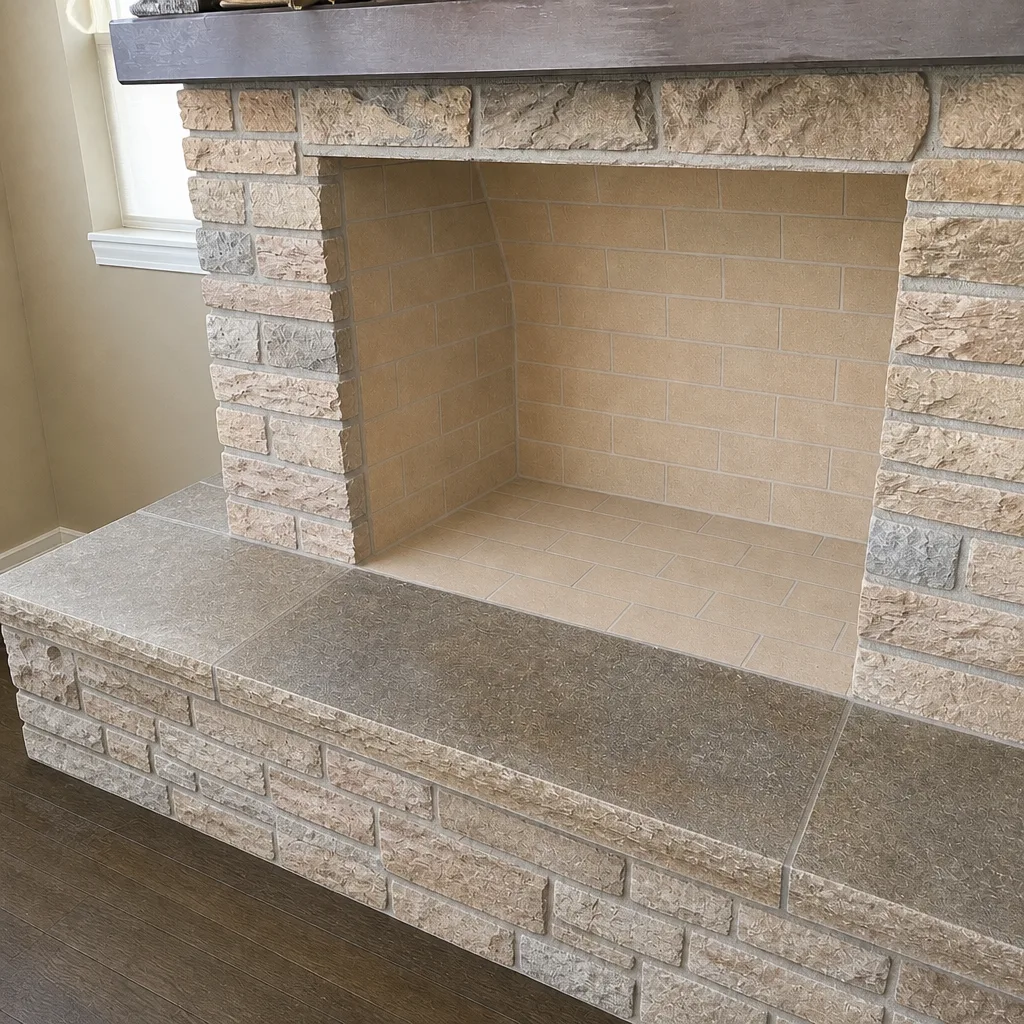
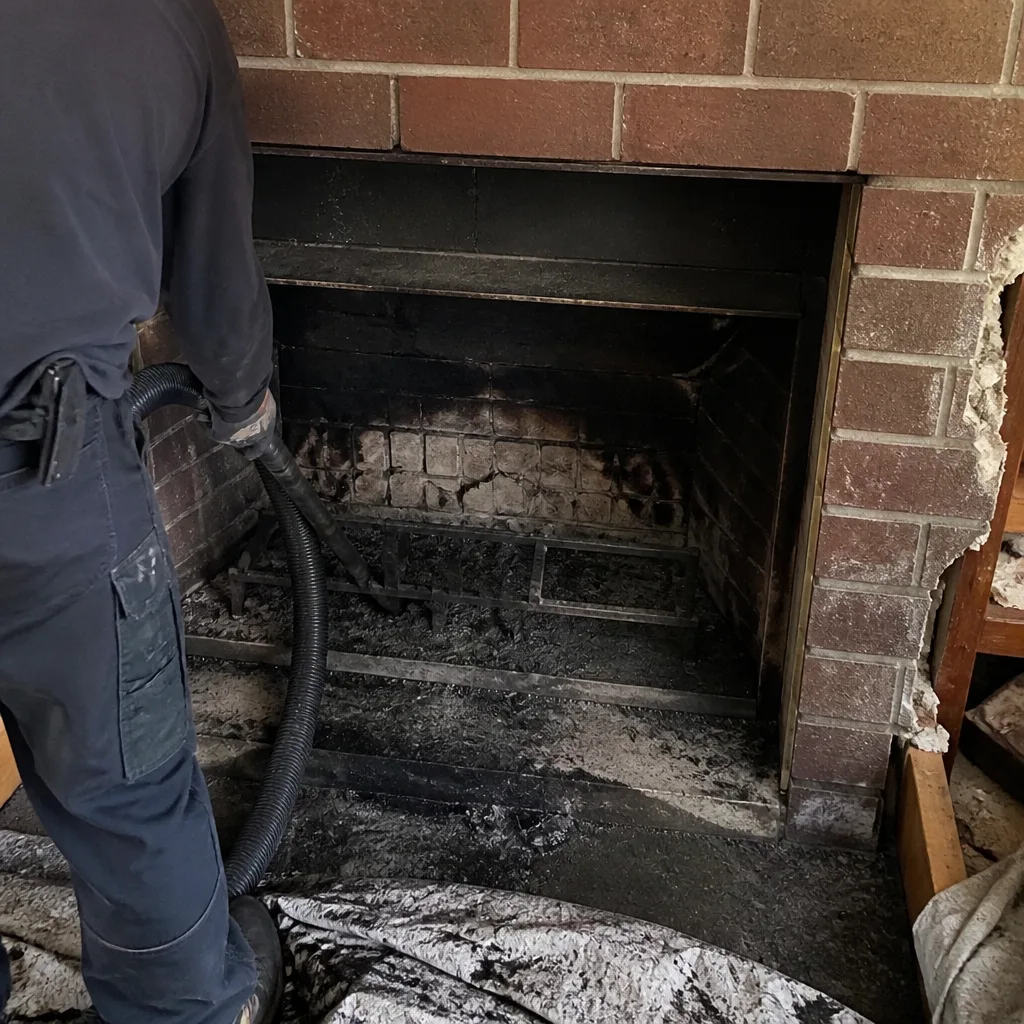
See the difference
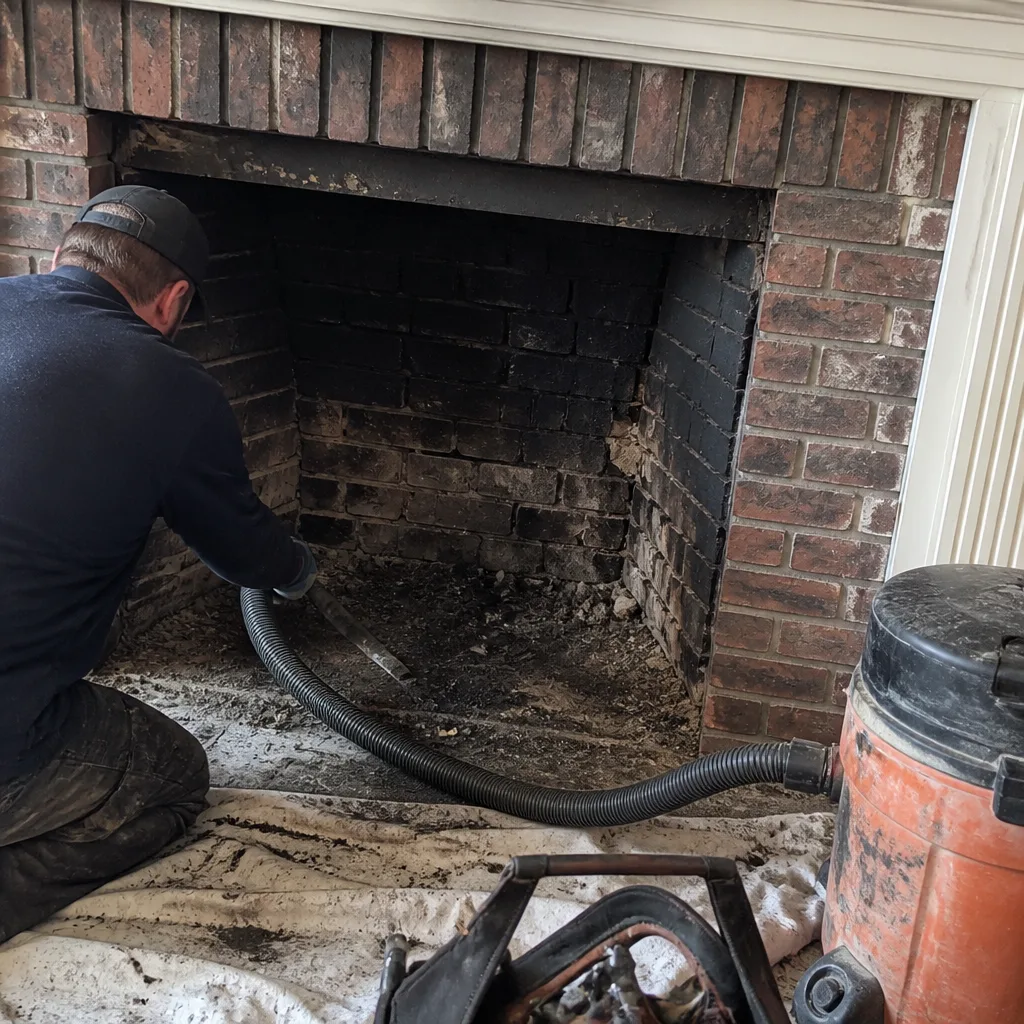 Before
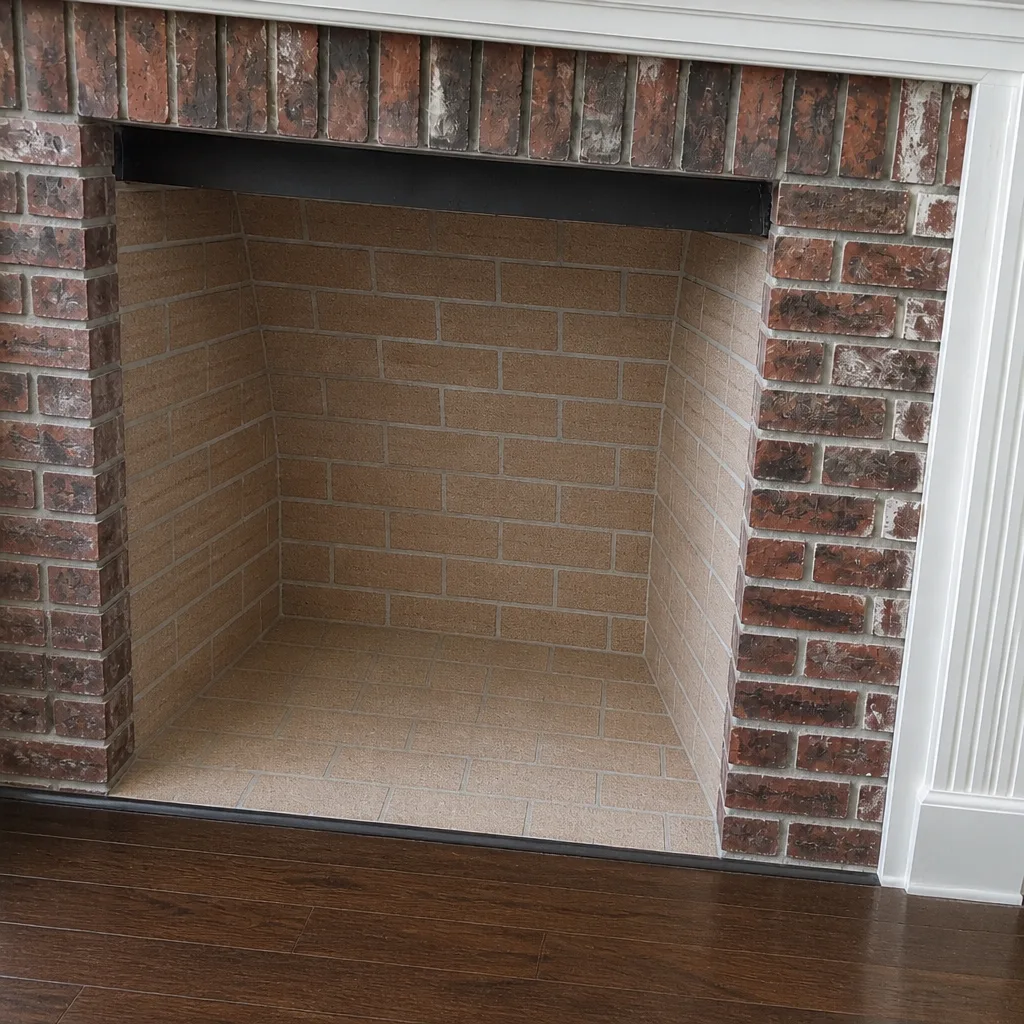 After
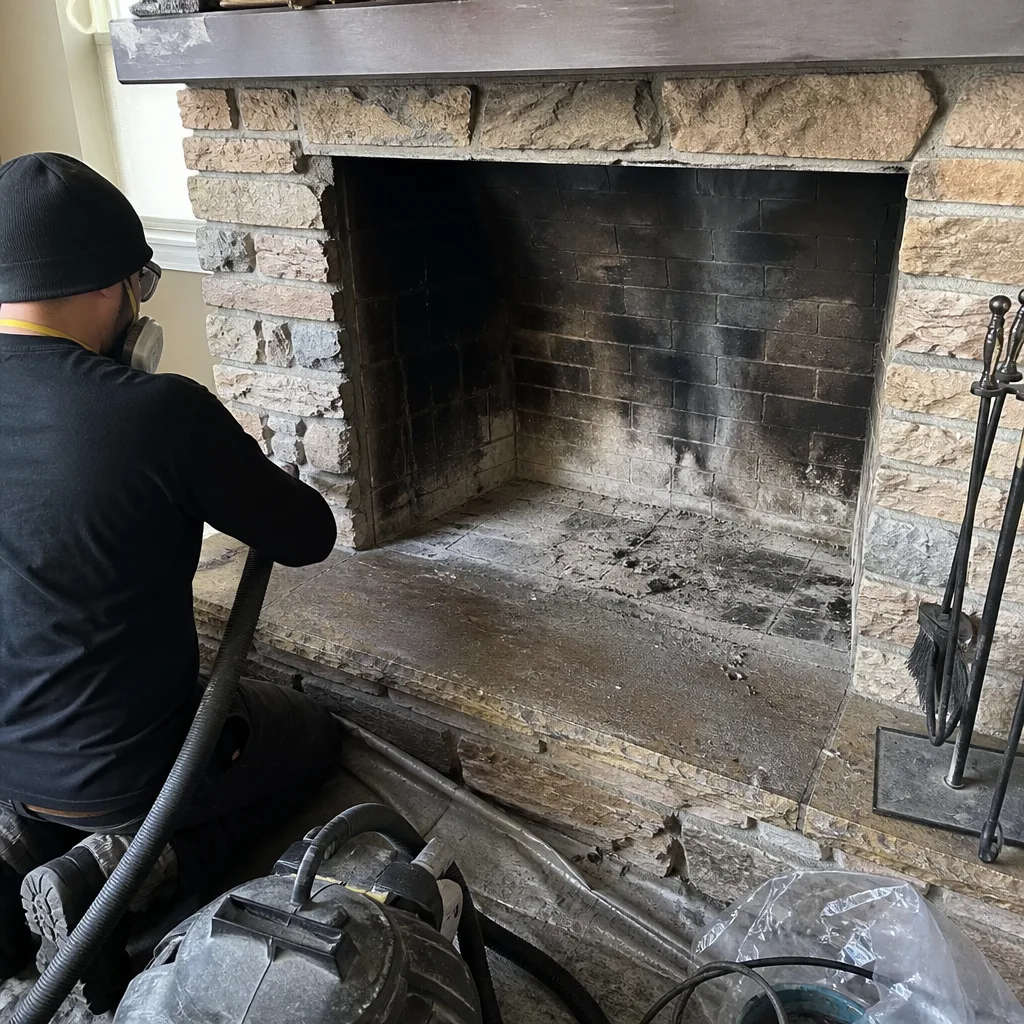 Before
 After
 Before
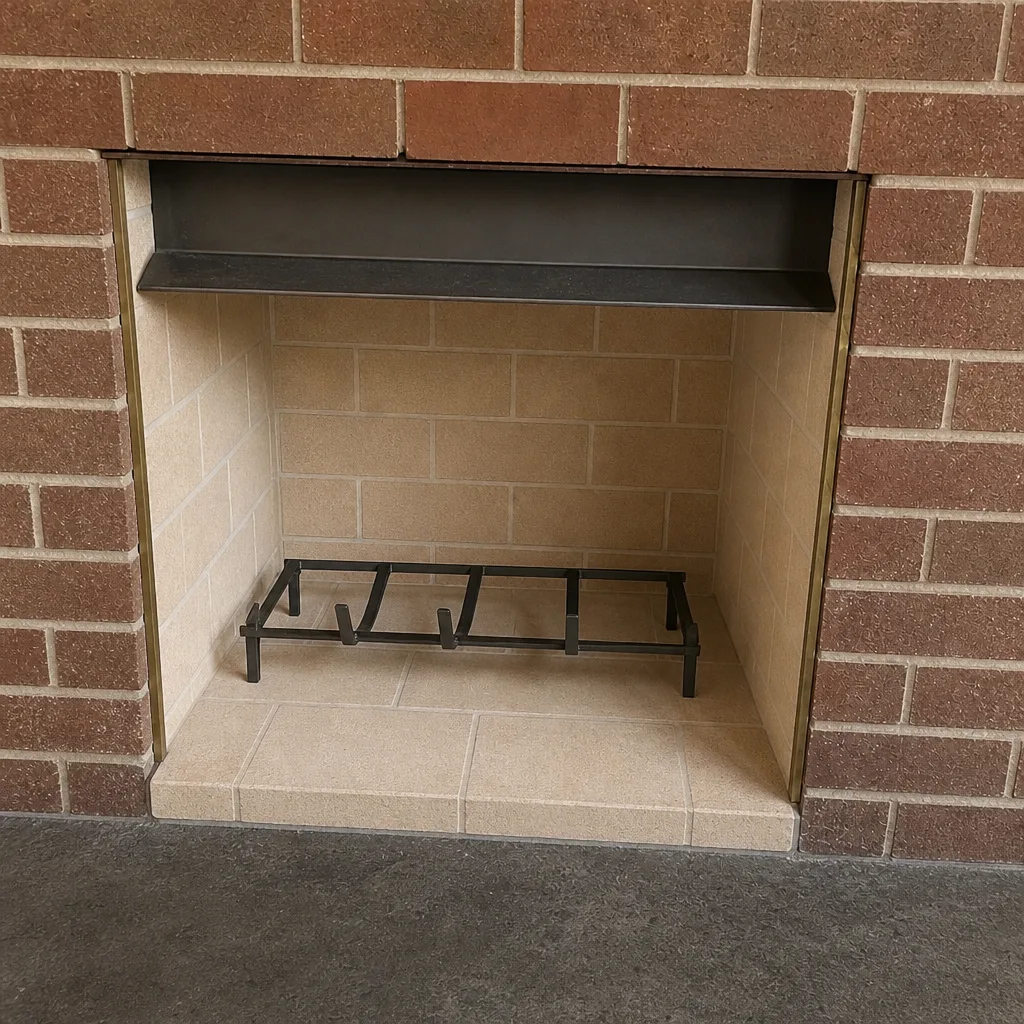 After
When to Call a Professional
Book a professional sweep whenever any of the following is true: glazed or sticky deposits are visible in the flue, the chimney hasn’t been swept in more than two seasons, there’s a smell or draft problem, the cap or crown is missing or cracked, there’s a visible crack in the flue tile, or the roof pitch makes safe access uncertain. Any one of those puts you outside the DIY profile. For a Federal Way homeowner with a fireplace insert, a wood stove, or an older home with a masonry chimney, the case for a professional first visit is stronger still, because inserts and stoves often produce deposits in places a flex-rod brush never reaches.
The good news is that a professional baseline is a one-time reset, not a permanent subscription. Once the flue is clean, inspected, and documented, the DIY window opens wider for the coming seasons. Chimney Sweep Federal Way offers free estimates in Federal Way. Call (844) 625-7660. We answer 24/7. Fast dispatch from 7am to 7pm, Sunday through Friday.
Frequently Asked Questions
You can clean your own chimney if, and only if, your flue is straight, your deposits are dry Stage 1 soot, your maintenance history is current, and you have proper roof safety equipment. Anything outside that profile means a brush kit will miss glazed deposits, flue cracks, or cap and crown damage. When in doubt, book a professional baseline first. Call (844) 625-7660 for an exact quote; estimates are free.
Creosote builds up in stages, and the later stages are what feed chimney fires and restrict draft. Skipped cleaning also means cracks and cap damage go unnoticed, which lets water into the flue and can lead to carbon monoxide leaking into the home through a damaged liner. Skipping isn’t a given path to a disaster, but it is a path where discovery happens later and repair gets more extensive. Call (844) 625-7660 for an exact quote; estimates are free.
Standard chimney sweeps typically run $150 to $300 depending on flue length, deposit stage, and access. Inspections with a camera often add to the total, and repairs like cap or crown work are priced separately by written estimate. The estimate you get from a professional sets the final price, and it covers what the camera inspection finds. Call (844) 625-7660 for an exact quote; estimates are free.
Once a year for most homes using the fireplace through the heating season. Federal Way’s long burn season and damp climate make full wood seasoning harder, both of which push creosote buildup faster than in milder climates. If you’re burning heavily, or haven’t swept in more than two seasons, book sooner. Call (844) 625-7660 for an exact quote; estimates are free.
Yes, and more so, because the professional sweep gives you the baseline: flue condition, creosote stage, and cap and crown status. Without it, you’re cleaning a flue you can’t see. With it, you know exactly what to watch for between annual sweeps. Call (844) 625-7660 for an exact quote; estimates are free.
Rotary cleaning heads, negative-pressure HEPA containment, and a flue camera are the three that matter most. The rotary head cuts Stage 2 deposits, the containment keeps soot out of your home, and the camera finds cracks and gaps no flashlight can reach. A shop vac and flex rod do none of those three things. Call (844) 625-7660 for an exact quote; estimates are free.
The Bottom Line
DIY chimney cleaning is a real option for a narrow profile: straight flue, dry wood, light use, recent professional inspection, and safe roof access. Most Federal Way homeowners don’t fit that profile, especially if they’ve gone more than two seasons without a sweep, and that’s not a judgment, it’s just the math of how creosote builds. What works is a professional baseline first. A camera inspection and cleaning establishes the flue condition, the deposit stage, and the cap and crown status, and from that point self-maintenance between annual visits becomes a reasonable habit rather than a guess. The information you get from one professional baseline is what tells you whether the DIY path is open to you at all. If you’re within reach of Federal Way and want that baseline, our team works with DuraFlex, HeatShield, Gelco, and Olympia Chimney products, and our technicians have up to 8 years of experience. Give us a call at (844) 625-7660. We answer 24/7. Fast dispatch from 7am to 7pm, Sunday through Friday.
Written by the team at Chimney Sweep Federal Way.